10 Dangerous Vitamin Mistakes That Can Quietly Harm Your Body
Vitamins have one of the best reputations in the health world. We see them on pharmacy shelves, grocery aisles, wellness ads, and influencer morning routines, usually dressed up as tiny shortcuts to better energy, stronger immunity, glowing skin, and healthier aging. That makes them feel safe, simple, and almost impossible to misuse.
But vitamins can become risky when we take too much, mix them with certain medications, or stack several supplements without checking the full dose. The danger usually does not come from eating normal food. It often comes from pills, powders, gummies, fortified drinks, and daily “wellness” habits that quietly push the body past what it can comfortably handle.
Vitamin A Can Turn Toxic When the Dose Gets Too High
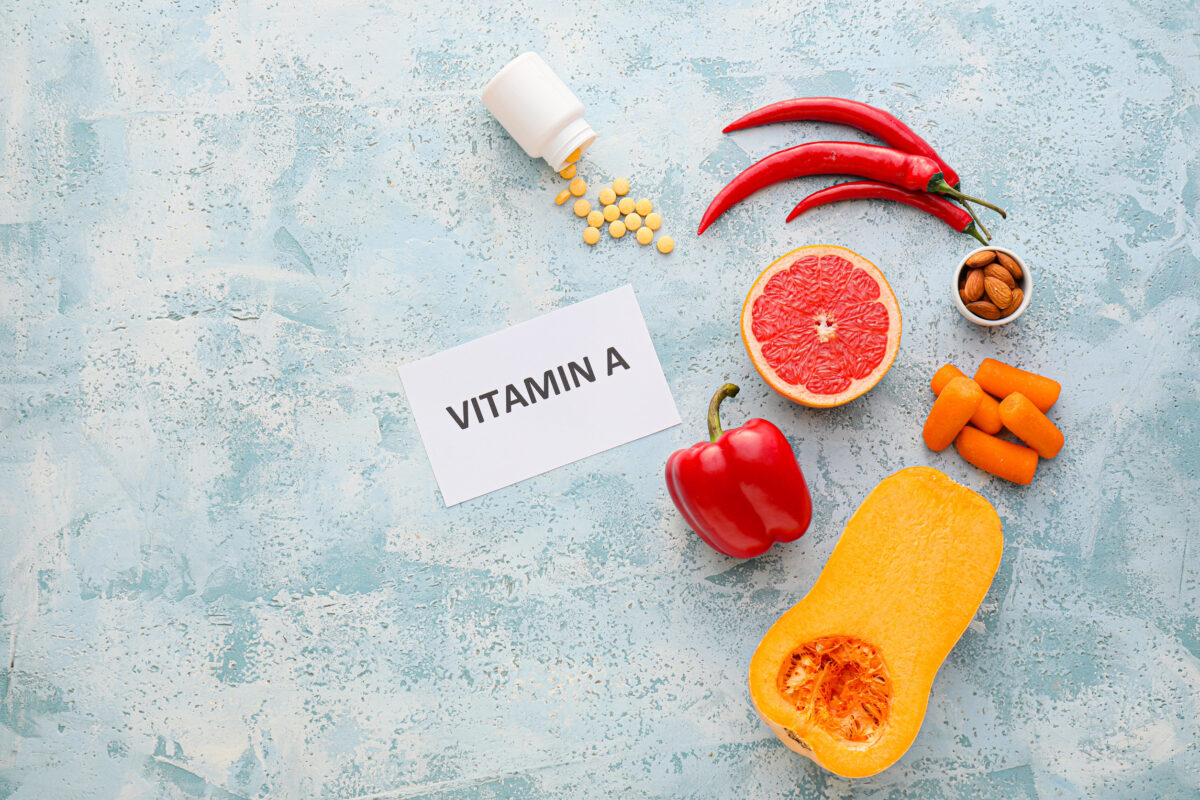
Vitamin A helps with vision, immunity, skin, and normal growth, so it sounds like something we should always want more of. The problem starts with preformed vitamin A, also called retinol, which appears in some animal-based foods and many supplements. Since vitamin A is fat-soluble, the body can store excess amounts rather than flushing them out quickly.
Too much vitamin A can lead to dizziness, headaches, nausea, blurry vision, skin irritation, bone pain, and liver problems. It is especially risky during pregnancy because high doses have been linked with birth defects. We should be careful with strong vitamin A supplements, especially when a multivitamin already contains it.
Vitamin D Can Raise Calcium to Dangerous Levels
Vitamin D has become a favorite supplement for bone health, mood support, and immunity. Many people take it because they spend less time outdoors or because a blood test once showed low levels. That can make sense when guided properly, but vitamin D is not a vitamin we should take blindly in large amounts for months.
Too much vitamin D can raise blood calcium levels. That can cause nausea, vomiting, weakness, confusion, dehydration, frequent urination, kidney stones, and kidney damage. The risk grows when we combine high-dose vitamin D with calcium pills, fortified drinks, and other bone health formulas without medical monitoring.
Vitamin E Can Increase Bleeding Risk
Vitamin E sounds gentle because it is often described as an antioxidant. We find it naturally in nuts, seeds, and vegetable oils, and food sources are rarely the main concern. The bigger issue is high-dose vitamin E supplements, especially for people who take blood thinners or have surgery coming up.
Too much vitamin E may increase the risk of bleeding because it can affect how blood clots. That matters for people using medications such as warfarin, aspirin, or other drugs that already influence bleeding. We should not treat vitamin E capsules like harmless beauty pills, because the wrong dose can become a medical problem.
Vitamin K Can Interfere With Blood Thinners
Vitamin K helps the body form blood clots, which makes it important for normal healing. Leafy greens like kale, spinach, and collards are rich in vitamin K, and those foods can be part of a healthy diet. The problem arises when someone taking blood-thinning medication suddenly changes their vitamin K intake.
People on warfarin need a steady intake of vitamin K because sudden increases or decreases can affect how the medication works. A daily green smoothie, a vitamin K supplement, or a new “superfood” powder can change the balance. We should not make significant changes to vitamin K without medical advice when blood thinners are involved.
Niacin Can Flush the Skin and Hurt the Liver
Niacin, also known as vitamin B3, helps the body turn food into energy. It has also been used in medical settings for cholesterol, but that does not make high-dose niacin a casual home remedy. Large doses can trigger intense flushing, itching, warmth, headaches, dizziness, and stomach upset.
The bigger concern is liver stress, especially with strong niacin supplements taken without monitoring. Warning signs can include unusual tiredness, dark urine, stomach pain, yellowing skin, and nausea. We should not use niacin as a do-it-yourself cholesterol fix when safer, better-monitored options exist.
Vitamin C Can Upset the Stomach and Stress the Kidneys
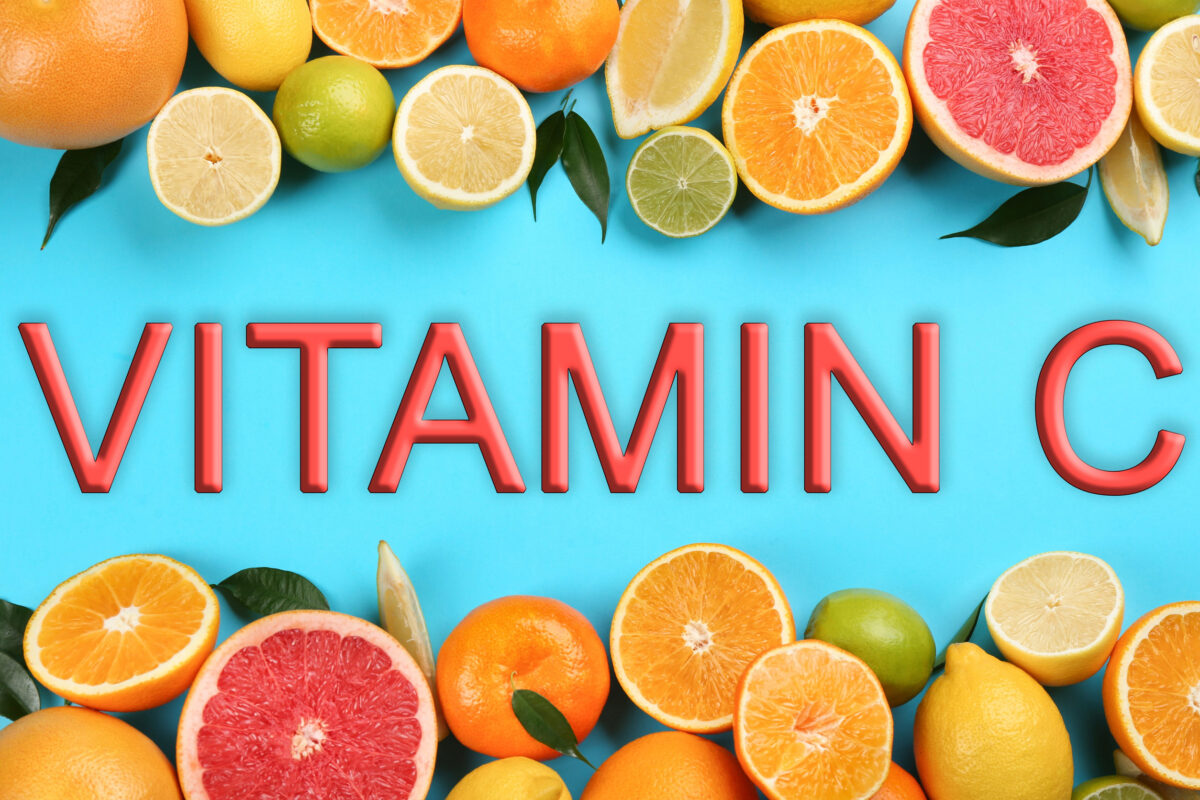
Vitamin C is one of the most popular vitamins people reach for during the cold season. Since it is water-soluble, many people assume that large doses are harmless because the body can excrete excess amounts through urine. That sounds comforting, but it does not mean huge vitamin C doses are problem-free.
High amounts can cause diarrhea, nausea, stomach cramps, and abdominal discomfort. For people prone to kidney stones, very high doses may also be a concern, as vitamin C can increase oxalate levels in the body. We should get vitamin C from fruits and vegetables first, then use supplements with a clear reason.
Vitamin B6 Can Damage Nerves Over Time
Vitamin B6 appears in many energy, mood, sleep, and stress support supplements. That makes it easy to overdo without noticing. Someone may take a multivitamin, a B complex, an energy drink, and a wellness powder, all of which contain extra B6 under different labels.
Too much B6 over time can cause nerve problems. Symptoms may include tingling, numbness, burning feelings, poor balance, and trouble with movement. This can be confusing because people often take B vitamins to feel better, then miss the fact that the supplement may be causing the new symptoms.
Folate Can Hide a Serious B12 Problem
Folate is important for red blood cells, cell growth, and pregnancy health. Folic acid is especially important before and during early pregnancy because it supports healthy fetal development. But too much folic acid can create a hidden problem when vitamin B12 levels are low.
High folic acid intake can improve some blood signs of B12 deficiency without fixing the nerve damage that B12 deficiency can cause. That means symptoms may stay hidden until the problem becomes more serious. Older adults, vegans, and people with digestive conditions should be especially careful and consider proper testing.
Multivitamins Can Become Risky When We Stack Them
A basic multivitamin may seem harmless on its own. The trouble begins when we add gummies, protein shakes, fortified cereals, electrolyte powders, beauty supplements, and immune boosters on top of it. Many products repeat the same nutrients, so the total dose can climb without looking obvious.
This is how ordinary wellness routines become risky. We may think we are taking one vitamin habit, but the body sees several overlapping doses. A smart move is to place every supplement bottle on the table and check which nutrients repeat before adding anything new.
“Natural” Supplements Are Not Always Safer
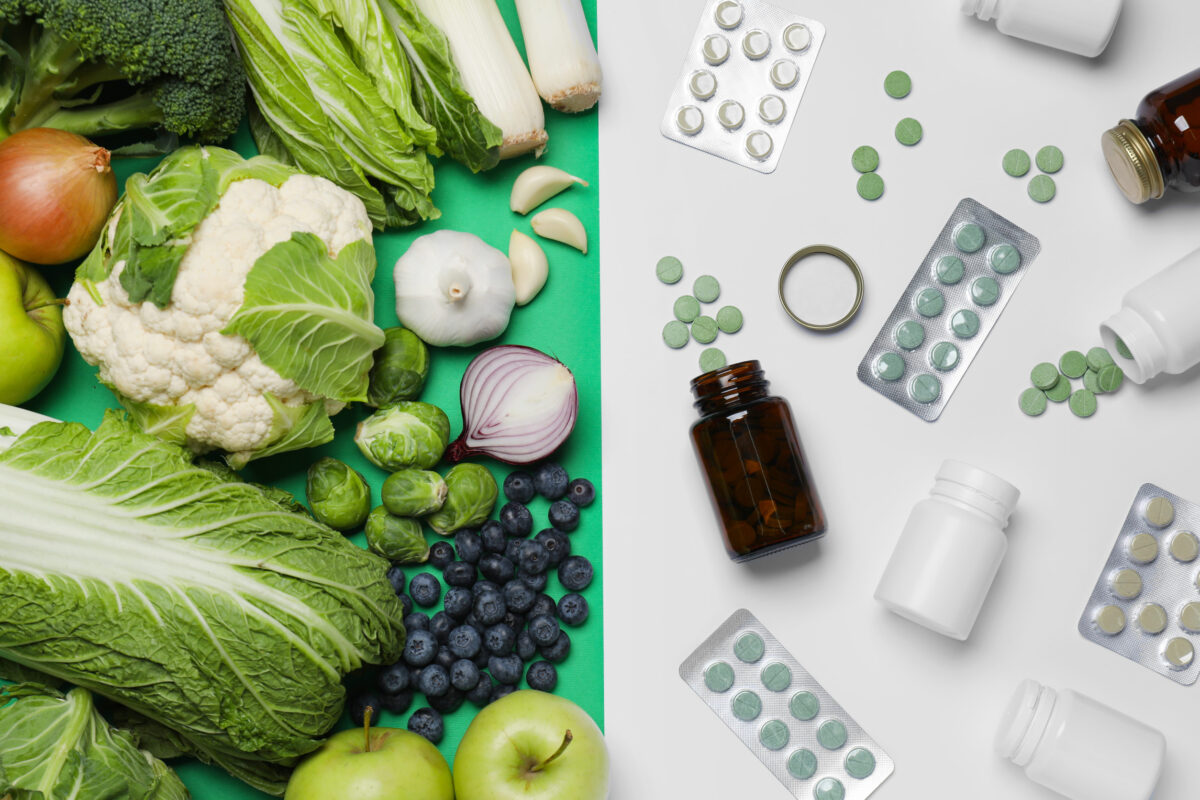
The word “natural” can make a supplement feel clean, gentle, and trustworthy. But ‘natural’ does not always mean ‘safe’. A product can still contain strong doses, hidden ingredients, poor quality control, or a blend that clashes with medication.
We should be extra cautious with supplements that promise fast weight loss, instant energy, sexual performance, pain relief, or disease reversal. Big promises often deserve big suspicion. Reputable brands, clear labels, third-party testing, and medical advice matter more than attractive packaging.
Conclusion
Vitamins can help when they fill a real need, but they can hurt when we use them like unlimited health boosters. The body needs balance, not a cabinet full of overlapping pills and powders. Food should remain the first source of nutrients for most people because it delivers vitamins in a gentler, more balanced way.
The safest habit is simple. We should check labels, avoid megadoses, know our medications, and ask a doctor or pharmacist before taking strong supplements long term. A vitamin should support the body, not quietly create the next health problem.