11 Popular Convenience Foods Nutritionists Rarely Buy
Convenience food knows exactly how to tempt a tired person. It sits on the shelf looking easy, fast, and harmless. After a long day, that promise can feel like a rescue plan in a bright package.
The problem is that many popular convenience foods come with a quiet tradeoff. They may save time, but they often bring extra sodium, added sugar, saturated fat, refined carbs, and fewer filling nutrients than a simple homemade version. Nutritionists are not avoiding them because they hate comfort. They avoid them because they know how quickly small shortcuts can turn into daily habits.
Frozen Breakfast Sandwiches

Frozen breakfast sandwiches look like a perfect morning solution. They heat quickly, taste familiar, and feel more filling than a plain piece of toast. The problem is that many versions are heavy on refined bread, processed meat, salty cheese, and sauces that make breakfast feel bigger than it needs to be.
Nutritionists rarely reach for them because breakfast sets the tone for the day. A meal built mostly from sodium and processed ingredients can leave you thirsty, sluggish, or hungry again sooner than expected. A better shortcut is a boiled egg, whole grain toast, fruit, or Greek yogurt with nuts.
Instant Noodles

Instant noodles are cheap, fast, and comforting, which explains why so many people keep them in the pantry. They also come with a seasoning packet that can carry a heavy sodium load. The noodles themselves are usually low in fiber and protein, so they may fill your stomach without giving your body much lasting support.
Nutritionists usually see instant noodles as an emergency food, not a regular meal. If you love them, you can make them better by using less seasoning, adding eggs, vegetables, chicken, tofu, or beans. The goal is to turn a salty bowl of noodles into an actual meal.
Sugary Granola Bars
Granola bars often wear a health halo. The packaging may show oats, nuts, honey, fruit, or mountain trails, which makes the bar feel naturally wholesome. In many cases, though, the bar is closer to a candy snack with a little fiber added for good behavior.
Nutritionists rarely buy the very sweet versions because they can cause a quick rise and fall in energy. A better bar has simple ingredients, more fiber, more protein, and less added sugar. Even better, pair fruit with peanut butter, nuts, or plain yogurt for a snack that feels less processed and more satisfying.
Bottled Smoothies
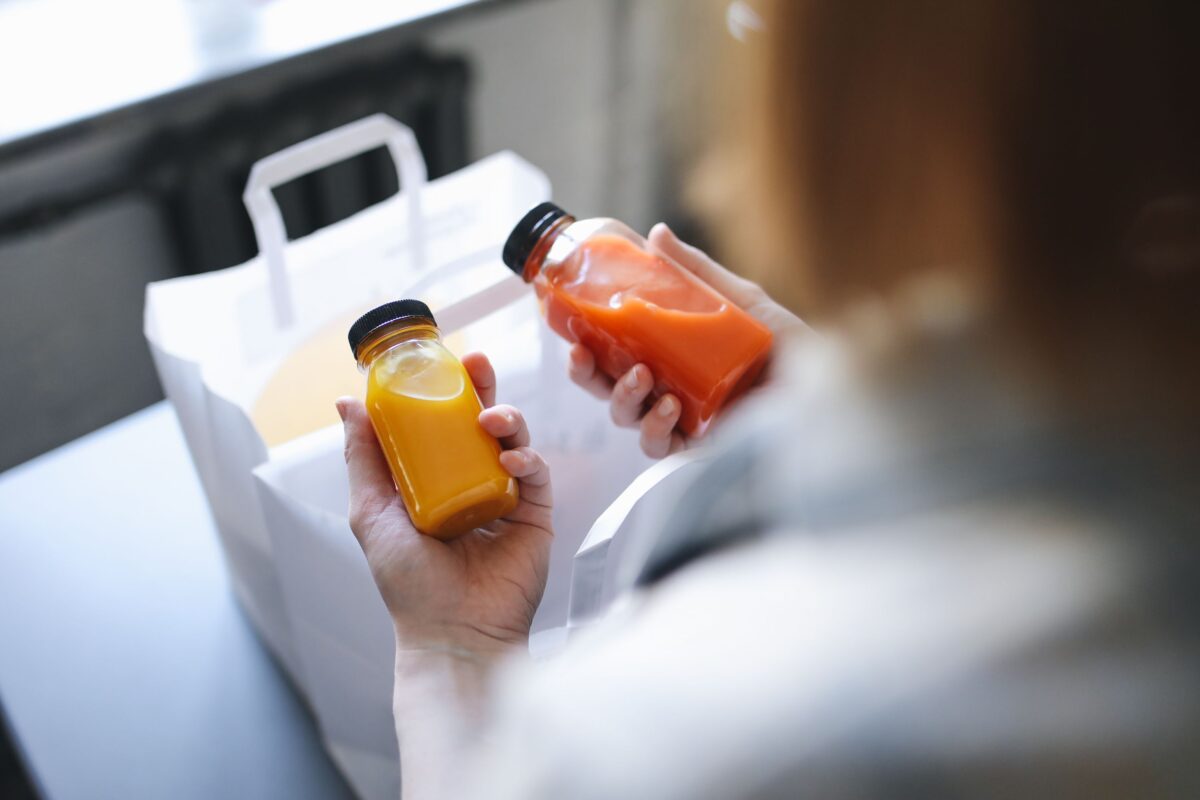
A bottled smoothie sounds like wellness in a bottle. It looks colorful, fruity, and refreshing, especially when the label talks about antioxidants or vitamins. The catch is that many bottled smoothies pack a lot of sugar into one serving and remove the chewing that normally helps fruit feel filling.
Nutritionists often prefer whole fruit because it gives fiber, texture, and better portion control. A banana, apple, berries, or orange can satisfy a sweet craving without turning into a liquid sugar rush. Homemade smoothies can still work well when they include protein, healthy fat, and vegetables instead of only fruit juice.
Flavored Yogurt Cups
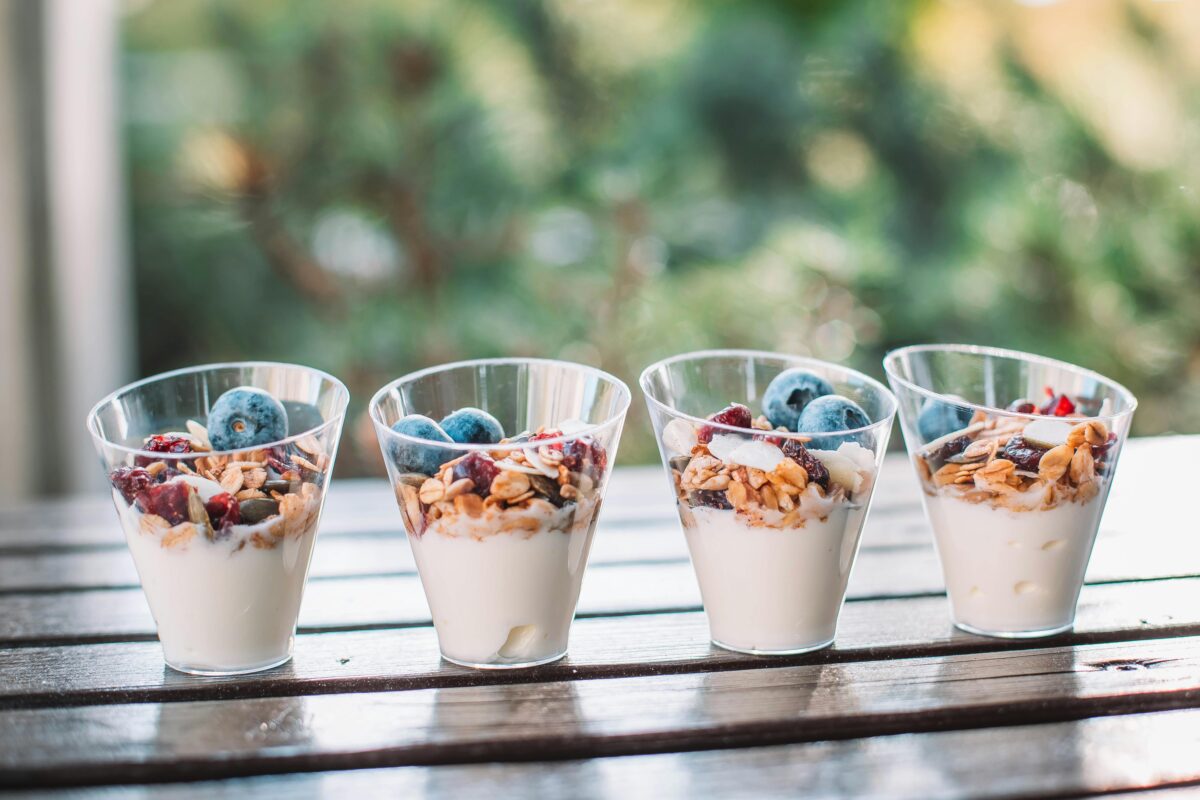
Yogurt can be a smart food, but flavored yogurt can quietly become dessert. Some cups contain a surprising amount of added sugar, especially the ones with fruit syrup, candy pieces, cookie crumbs, or dessert names. They may still contain protein and calcium, but the sweetness can overpower the benefit.
Nutritionists often choose plain Greek yogurt instead. They can add berries, cinnamon, nuts, chia seeds, or a small drizzle of honey if they want sweetness. That way, they control the flavor instead of letting the food company decide how much sugar belongs in breakfast.
Microwave Mac and Cheese Cups
Microwave mac and cheese cups are popular because they are fast, creamy, and comforting. They also tend to be low in fiber and high in sodium compared with meals made from whole foods. The single cup can look small, but it may still leave you craving something else soon after.
Nutritionists rarely buy them as a regular lunch because they do not offer much balance. If mac and cheese is what you want, it can be improved with vegetables, tuna, beans, chicken, or a side salad. Comfort food does not need to disappear, but it should not be the whole plan.
Packaged Deli Meat Snack Packs
Deli meat snack packs are convenient, especially for people who want quick protein. The issue is that many include processed meat, cheese, crackers, and sometimes a sweet treat in one small box. That can mean plenty of sodium and saturated fat with little fiber.
Nutritionists usually prefer building a simple snack plate at home. Turkey, boiled eggs, hummus, fruit, nuts, whole grain crackers, or sliced vegetables can offer the same grab and go feeling with better balance. The homemade version also gives more control over portions and ingredients.
Sweetened Instant Oatmeal Packets
Oatmeal itself is a strong breakfast choice. The trouble begins when instant packets come loaded with sugar, flavor dust, and tiny dried fruit pieces that taste more like candy than fruit. The serving may look healthy, but the sweetness can turn a simple bowl of oats into something closer to a breakfast dessert.
Nutritionists often buy plain oats and add their own toppings. Cinnamon, banana slices, berries, peanut butter, nuts, seeds, or a small spoon of honey can make oatmeal taste rich without going overboard. It takes almost the same amount of time and gives much better control.
Frozen Pizza

Frozen pizza is one of the most loved convenience foods because it solves dinner in minutes. The problem is that many versions are heavy on refined crust, processed meat, sodium, and saturated fat. It can be easy to eat more than one serving because the slices feel familiar and comforting.
Nutritionists rarely make frozen pizza a weekly habit. When they do buy it, they may choose thinner crust, fewer processed toppings, and pair it with a big salad or vegetables. Pizza can fit into real life, but the frozen kind needs a little help to become a balanced meal.
Canned Cream Soups
Canned cream soups are quick, warm, and nostalgic. They also show up in casseroles, sauces, and easy dinners because they create instant thickness and flavor. The downside is that many are salty and heavy, with fewer fresh ingredients than people imagine.
Nutritionists usually prefer broth based soups, homemade soups, or simple sauces made from milk, yogurt, blended vegetables, beans, or herbs. These options can still taste comforting without relying so much on sodium and heavy creaminess. Soup should feel nourishing, not just convenient.
Sugary Coffee Drinks
A bottled coffee drink or sweet coffee shop order can feel like a treat and an energy boost in one cup. The problem is that many are loaded with added sugar, flavored syrup, whipped toppings, and creamy extras. What starts as coffee can become a dessert with caffeine.
Nutritionists rarely buy them as an everyday habit because liquid sugar is easy to drink quickly and easy to forget later. A smarter choice is plain coffee, iced coffee, or a latte with less syrup and more control over sweetness. You still get the comfort and caffeine without turning every cup into a sugar bomb.
Conclusion
Convenience foods are not evil. They exist because real life gets busy, people get tired, and cooking from scratch every single day is not always realistic. The key is knowing which shortcuts help you and which ones quietly pull your eating habits in the wrong direction.
Nutritionists rarely buy these foods because they look beyond the front label. They check what the food actually gives the body after the speed, flavor, and packaging have done their sales pitch. The best convenience food is not the one that only saves time. It is the one that saves time without making your health pay the bill later.