Strait of Hormuz Deal Raises a Global Question: Stability for the World or More Power for Iran?
The Strait of Hormuz deal has placed one of the world’s most important shipping routes at the center of a major geopolitical debate. A possible agreement involving Iran, Oman and the United States could reopen a critical energy passage, calm oil markets and reduce fears of a wider regional crisis. However, the negotiations also raise difficult questions about whether short-term stability could come with long-term strategic risks. The narrow waterway that connects the Persian Gulf to global markets has once again become a symbol of how fragile the international economy can be.
The discussions surrounding the Strait of Hormuz deal come at a time when governments, investors and energy companies are closely watching developments in the Middle East. According to reporting from Fortune, officials have been exploring a framework that could allow commercial shipping to resume while addressing Iran’s security concerns. The possibility of progress has created cautious optimism, but it has also triggered concerns among critics who fear Tehran could gain greater influence over a route that affects the entire world.
The importance of the Strait of Hormuz extends far beyond the countries that surround it. Millions of barrels of oil and large volumes of natural gas pass through the waterway each day, connecting energy producers in the Gulf with consumers across Asia, Europe and beyond. Any disruption can create economic pressure that reaches households, businesses and governments thousands of miles away.
The emerging Strait of Hormuz deal is therefore not simply a regional agreement about ships moving through water. It is a test of diplomacy, energy security and global dependence on a single strategic location. The outcome could shape how countries manage future conflicts involving critical trade routes.
A Narrow Waterway Holding the World Economy in Its Hands

The Strait of Hormuz has earned its reputation as one of the most important energy chokepoints on the planet. The passage sits between Iran and Oman, creating the only maritime route connecting the Persian Gulf with the Gulf of Oman and the wider Indian Ocean. The U.S. Energy Information Administration has repeatedly identified the Strait of Hormuz as a critical pathway for global oil shipments because of the enormous volume of petroleum products transported through the area.
The waterway matters because some of the world’s largest energy producers depend on it. Saudi Arabia, Iraq, Kuwait, the United Arab Emirates and Qatar all rely on access through the Gulf to reach international customers. A prolonged disruption would not only affect oil exporters but would also pressure countries that depend on imported energy.
The global economy has experienced similar shocks before. During the 1970s oil crises, political instability in the Middle East contributed to major increases in energy prices and economic uncertainty. Those events demonstrated how quickly regional conflicts can become global financial problems.
The Strait of Hormuz deal has gained attention partly because it addresses one of the biggest fears in energy markets: uncertainty. Investors often react not only to actual supply disruptions but also to the possibility that future events could limit access to vital resources. Stability in the region could therefore influence markets even before any long-term changes occur.
The challenge is that reopening the Strait does not remove the deeper tensions surrounding it. Iran’s relationship with the United States, regional security concerns and disputes over influence in the Middle East remain unresolved. The agreement may reduce one immediate risk while leaving larger questions unanswered.
That uncertainty explains why the Strait of Hormuz deal is being viewed with both hope and caution. Supporters see an opportunity to prevent economic damage and reduce military tensions. Critics argue that any arrangement must carefully consider the balance of power created by the agreement.
Iran’s Strategic Position Creates the Biggest Debate Around the Agreement
Iran’s geographic location gives it unique importance in discussions about the Strait of Hormuz deal. The country sits along a significant portion of the waterway, giving Tehran a strategic position that few other nations possess. For decades, Iranian leaders have argued that security arrangements in the Persian Gulf must recognize Iran’s interests and regional role.
That position has often placed Iran in conflict with the United States and its allies. Washington has maintained a strong military presence in the region to protect shipping routes and reassure partners. Tehran, however, has frequently criticized foreign military activity near its borders.
The current negotiations highlight a difficult reality. The international community wants uninterrupted access to the Strait of Hormuz, but Iran wants recognition of its security concerns. Finding a middle ground has always been complicated because both sides approach the issue from different strategic perspectives.
Supporters of the Strait of Hormuz deal argue that cooperation is preferable to confrontation. They believe that keeping shipping routes open benefits everyone, including countries that disagree politically. A stable agreement could reduce the risk of military escalation and provide economic relief.
Critics have a different concern. They argue that allowing Iran a greater role in managing access around the Strait could increase Tehran’s influence over a route that affects global energy security. Their concern is not only about what happens today but also about what power dynamics the agreement creates in the future.
The debate reflects a broader challenge in international diplomacy. Countries often have to choose between imperfect options when security and economic interests overlap. The Strait of Hormuz deal represents that difficult balance between avoiding immediate conflict and preventing future vulnerabilities.
Trump’s Diplomatic Gamble Could Define America’s Middle East Strategy

For the United States, the Strait of Hormuz deal represents a major foreign policy challenge. The Trump administration has emphasized negotiation and deal-making as tools for resolving international disputes. A successful agreement could be presented as evidence that diplomacy can achieve results where confrontation has failed.
However, agreements involving Iran have historically been politically sensitive in Washington. Many U.S. officials and lawmakers have questioned whether Tehran can be trusted to maintain long-term commitments. The history of disagreements over sanctions, nuclear issues and regional activities continues to influence how the deal is viewed.
The political divide is not only about Iran. It is also about America’s role in protecting global trade routes. Some policymakers believe strong military deterrence remains necessary to prevent threats against shipping lanes. Others argue that diplomacy can reduce the need for constant confrontation.
The Strait of Hormuz deal places those competing views directly against each other. If the agreement succeeds, supporters may argue that negotiation created stability. If it fails, critics may claim the United States made unnecessary compromises.
The outcome will likely depend on more than the reopening of shipping routes. The durability of the agreement will depend on whether both sides continue cooperation after the immediate crisis fades. Past diplomatic efforts have shown that initial breakthroughs can collapse when deeper disagreements remain unresolved.
For American consumers, the issue may appear distant, but the consequences are not. Energy prices influence transportation costs, manufacturing expenses, and household budgets. A disruption in the Gulf can eventually affect everyday economic decisions across the United States.
Oil Markets See Relief, But the Energy Problem Is Not Disappearing
The Strait of Hormuz deal has attracted attention from energy markets because stability in the region could reduce fears of supply disruptions. Oil prices often respond quickly to geopolitical uncertainty. When traders believe a major shipping route is at risk, prices can rise because markets prepare for possible shortages.
A reopened Strait could create more confidence among energy companies and investors. Lower geopolitical risk may help stabilize expectations and reduce concerns about sudden disruptions. However, the agreement alone would not determine the future price of gasoline or other energy products.
Oil markets are influenced by many factors. Global demand, production levels, refinery capacity, and economic conditions all play major roles. Even a successful Strait of Hormuz deal would be only one part of a much larger energy picture.
For American consumers, the biggest benefit may come through greater predictability rather than immediate savings. Stable energy markets help businesses plan and reduce the risk of sudden price increases. Transportation companies, manufacturers, and retailers often feel the effects of energy uncertainty before consumers see them directly.
The agreement also highlights a larger global energy challenge. Many countries remain heavily dependent on fossil fuel routes that pass through politically sensitive regions. The continued importance of the Strait shows that energy security remains closely connected to international politics.
The Strait of Hormuz deal may temporarily calm markets, but it does not eliminate the vulnerabilities built into the global energy system. The world remains dependent on strategic waterways where political decisions can influence economic outcomes.
Shipping Companies Are Watching Whether This Is Peace or Only a Pause
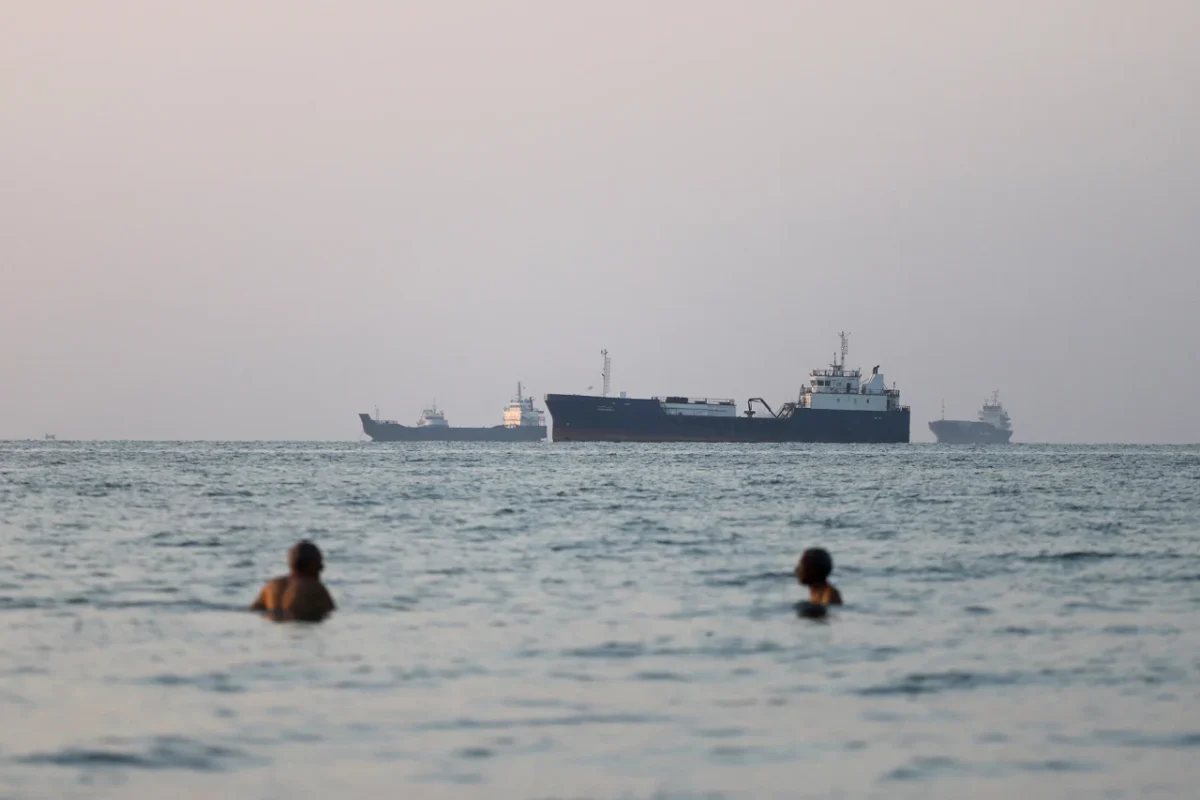
The global shipping industry is paying close attention to the Strait of Hormuz deal because maritime stability affects costs, schedules and safety decisions. Companies operating in the region must consider insurance expenses, security risks and the possibility of sudden political changes. A reopened waterway could provide relief, but shipping companies are unlikely to ignore the risks that created the crisis.
Maritime routes depend on confidence. When companies believe a region is unstable, they often adjust operations, increase precautions and prepare for possible delays. Those changes can raise costs throughout the supply chain.
The impact extends beyond oil tankers. The Strait of Hormuz is also important for natural gas shipments, particularly from Qatar, one of the world’s largest exporters of liquefied natural gas. Any disruption could affect electricity markets and industrial activity in countries that rely heavily on energy imports.
History has shown that shipping disruptions can create global consequences. Problems in major maritime routes often affect prices, availability and business planning far from the original conflict zone. The Strait of Hormuz deal is therefore being watched by companies that may never operate directly in the Middle East.
The question for shipping companies is whether this agreement creates lasting confidence. A temporary reopening may not be enough if political tensions return. Businesses need stability over time before making long-term decisions.
That is why the next stage of the agreement may be more important than the announcement itself. The world will be watching whether the Strait of Hormuz deal becomes a foundation for cooperation or simply a short pause before another crisis.
The Deal Could Open the Strait, But It Cannot Solve the Bigger Conflict
The Strait of Hormuz deal represents a possible turning point, but it does not erase decades of disagreement between Iran and the United States. The two countries remain divided over major issues involving security, sanctions, and regional influence. A shipping agreement alone cannot resolve all of those disputes.
The challenge for negotiators is creating an arrangement that satisfies immediate economic needs while addressing long-term concerns. A deal that only focuses on reopening the waterway may leave deeper tensions untouched. A broader diplomatic effort would require greater trust than both sides have shown in recent years.
The world has seen similar moments before. Diplomatic breakthroughs can create opportunities, but they can also fail when political conditions change. The success of the Strait of Hormuz deal will depend on whether leaders view cooperation as more valuable than confrontation.
The agreement also raises a larger question about global dependence. Should the world continue relying on a small number of strategic waterways to support the modern economy? Or should countries invest more heavily in alternative energy sources and supply routes?
The Strait of Hormuz will remain important regardless of what happens next. Its geography ensures that it will continue to influence energy markets, security decisions and international diplomacy. The current negotiations simply highlight a reality that has existed for decades.
A successful Strait of Hormuz deal could bring temporary relief and reduce immediate fears. But the deeper lesson is that global stability often depends on fragile connections between nations with competing interests. The world is now waiting to see whether this agreement becomes a bridge toward cooperation or another chapter in a long history of uncertainty.