10 Airplane Etiquette Mistakes That Make Every Flight Miserable
Flying can be stressful, cramped, and exhausting, yet some passengers make it far worse with loud devices, overstuffed bins, or selfish behavior. Airplane etiquette isn’t just about manners; it’s about safety, comfort, and consideration for everyone in a confined space. Ignoring these rules turns a routine flight into a miserable experience for all.
From ignoring seatbelt instructions to mishandling your personal space and food, even small mistakes have an outsized impact. The following 10 etiquette mistakes are the most common ways passengers make flights unpleasant, along with practical tips to avoid them.
Hoarding Overhead Bin Space
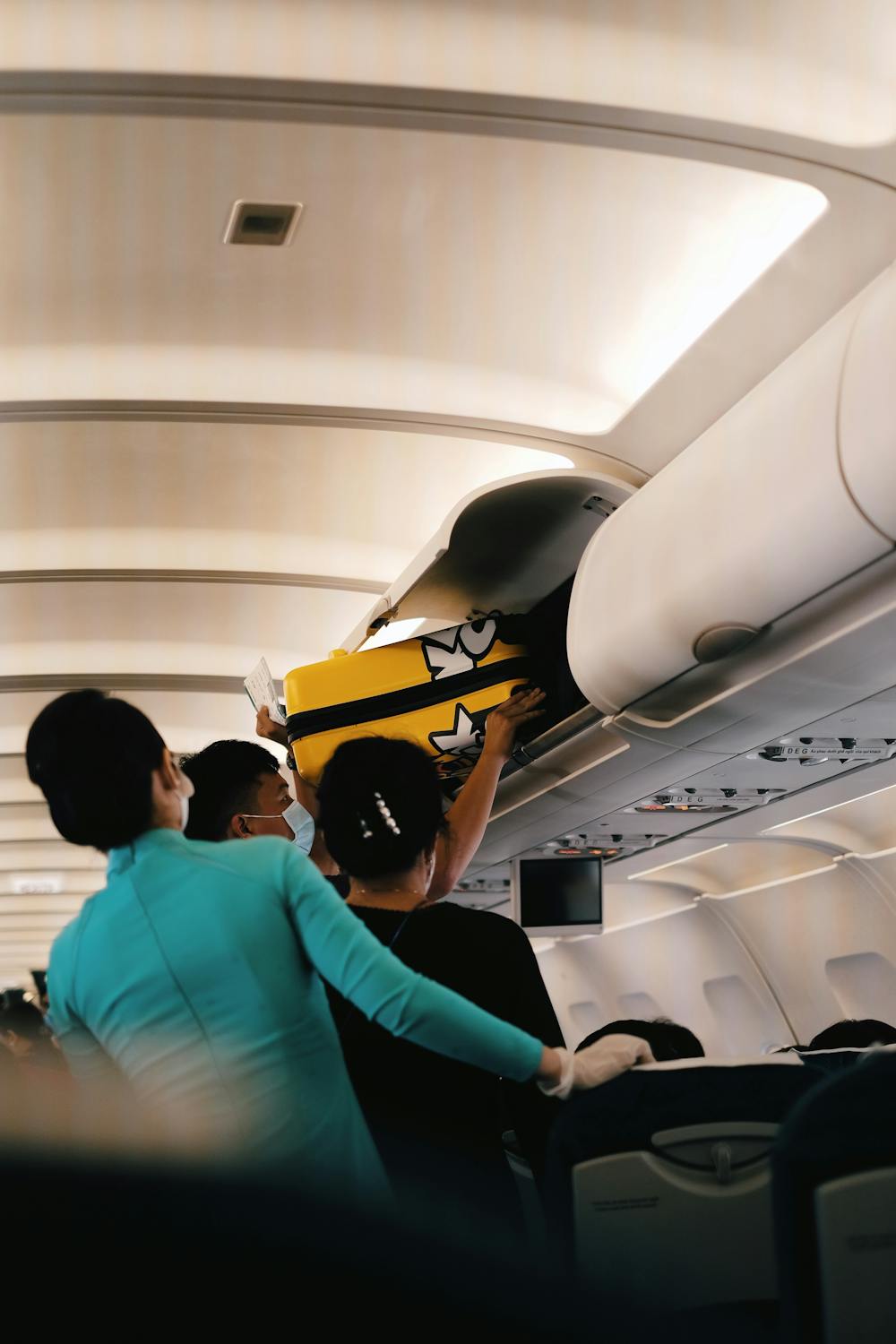
Overhead bins are shared, and claiming multiple spaces frustrates others. Overstuffing bins can force passengers to gate-check their luggage, causing delays. Proper placement of bags, with larger items wheels-first and smaller ones under the seat, keeps the cabin organized.
Following crew instructions to adjust baggage is also critical. Respecting shared storage space ensures smooth boarding, reduces tension, and prevents unnecessary stress for passengers and crew alike.
Reclining Abruptly
Reclining too far or suddenly can spill drinks, crush laptops, or invade personal space. Doing it during meal service or on short flights is disruptive, while even gentle reclining may need awareness of those behind.
A slow, careful recline prevents conflict and discomfort. Thoughtful reclining balances personal comfort with respect for neighbors, keeping cabin tension low and flight experience more enjoyable.
Removing Shoes Excessively
Bare feet or sock-only feet can create hygiene and odor issues in a crowded cabin. Feet on armrests, trays, or fellow passengers’ space is inconsiderate and unpleasant.
If shoes are removed, keep socks clean, feet on the floor, and put shoes back on when walking. Respecting this rule preserves cleanliness and comfort for everyone in the tight quarters of an aircraft.
Playing Devices Out Loud
Videos, music, or games without headphones are the fastest way to annoy everyone on a plane. Sound travels farther than expected, disrupting passengers who are trying to sleep, work, or read. Headphones are essential, and ignoring them signals a lack of awareness about shared space.
If your headphones die, switch to reading, subtitles, or resting. Keeping devices quiet ensures a calmer cabin environment, reduces stress for fellow travelers, and prevents unnecessary complaints from neighbors or crew.
Ignoring the Middle Seat Struggle
The middle seat is often the least comfortable position, trapped between two strangers. Middle passengers deserve both armrests or a fair share of space. Disregarding this unwritten rule creates tension and discomfort.
Window passengers get the view, aisle passengers stretch toward the corridor, and middle passengers deserve courtesy. Small gestures, like adjusting your arms or leaning slightly toward the window, prevent arguments and make flights more bearable for everyone.
Eating Strong-Smelling Foods
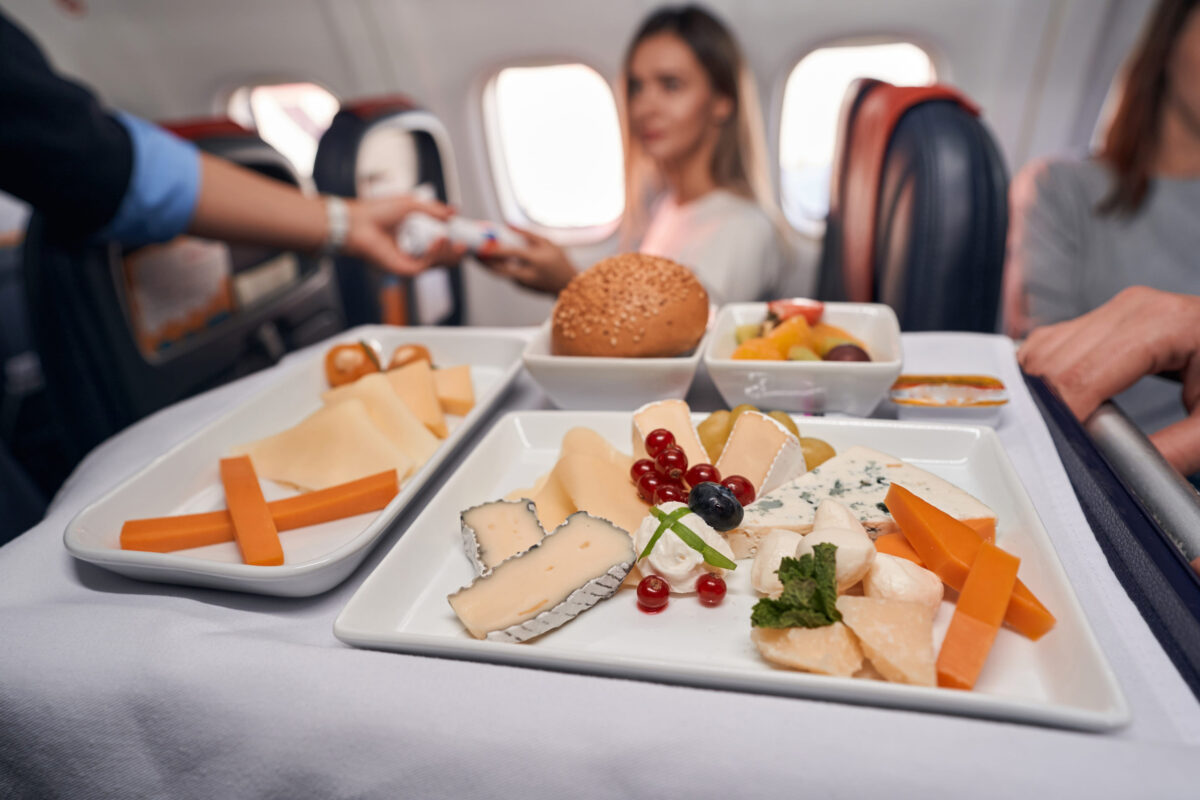
Strong odors from tuna, garlic, or spicy meals can travel through the cabin and disturb nearby passengers. Messy or greasy foods increase inconvenience and irritation.
Choose neutral-smelling, easily contained snacks like granola bars, fruit, or sandwiches. Cleaning up crumbs and spills immediately shows consideration and prevents complaints, keeping the flight experience more pleasant.
Rushing the Aisle After Landing
Immediately jumping up after landing creates congestion and frustration. Crowding the aisle slows deplaning and can annoy passengers trying to exit safely.
Waiting row by row, allowing space, and assisting those who need help ensures efficient deplaning. Patience prevents conflict, keeps movement organized, and makes landing transitions smoother for everyone.
Misusing the Lavatory
Airplane lavatories are small and high-demand spaces. Spending too long, leaving messes, or ignoring hygiene inconveniences others and disrupts cabin flow.
Move efficiently, clean thoroughly, and follow basic hygiene. Treating the lavatory as a shared resource keeps the cabin functioning efficiently and improves comfort for all passengers.
Blocking Flight Attendants
Flight attendants manage safety, service, and emergencies. Standing in aisles, ignoring instructions, or overusing call buttons disrupts their workflow and can delay service.
Polite cooperation, reasonable requests, and attentiveness allow crew members to work efficiently. Respecting attendants ensures safety and comfort for all passengers, making the cabin environment calmer.
Traveling Sick Without Precautions
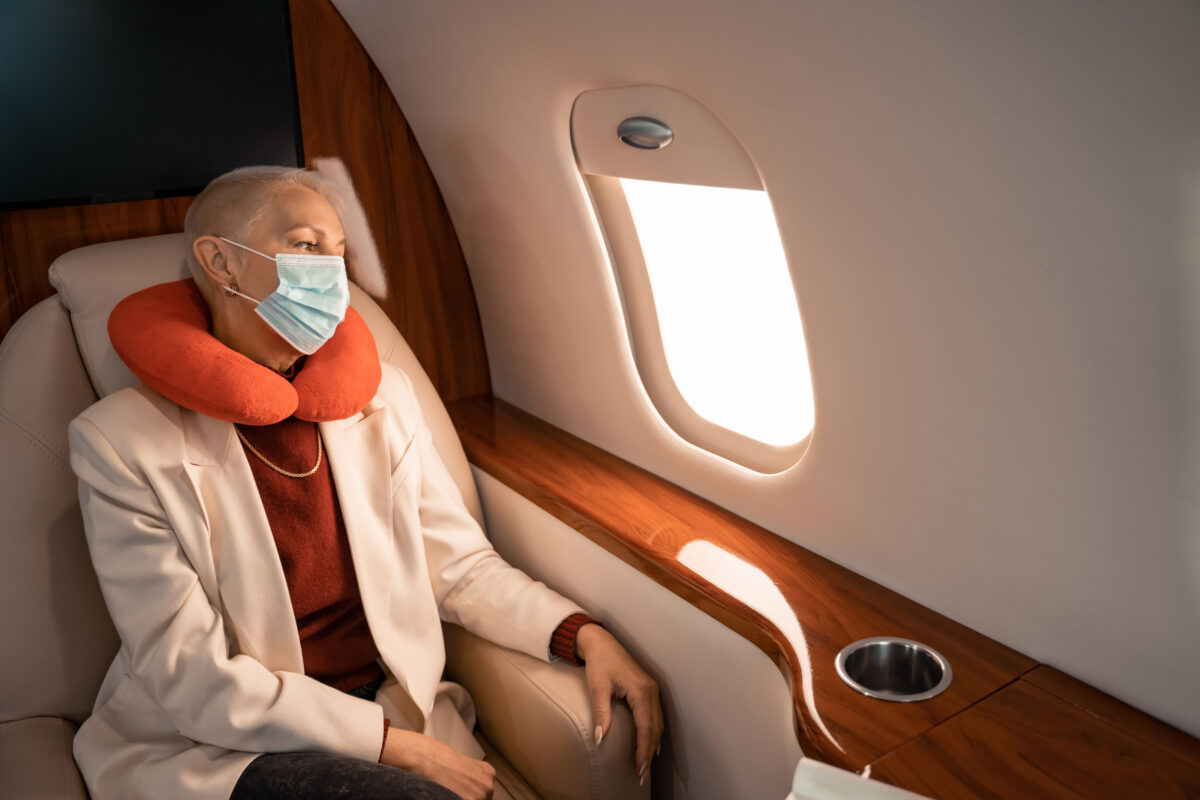
Flying while sick risks spreading germs in a confined cabin. Cover coughs, wash hands, and wear a mask if necessary to protect fellow passengers.
Even if masks aren’t required, responsible behavior shows consideration for shared space. Following health precautions reduces illness, discomfort, and anxiety during flights, improving the experience for everyone onboard.
Conclusion
Even small airplane etiquette mistakes can ruin a flight for everyone. Awareness, preparation, and consideration for others create a safer, calmer, and more comfortable journey.