The Raw Meat Refreezing Myth Everyone Should Stop Believing
You pull a package of ground beef from the freezer, put it in the fridge, and start planning dinner. Then life happens, your plans change, and suddenly that beef is sitting in the fridge with nowhere to go. Do you cook it anyway, throw it away, or put it back in the freezer?
Many Americans have heard the warning that once raw meat has been thawed, freezing it again is unsafe. However, the U.S. Department of Agriculture (USDA) says that belief is a myth, at least when the meat has been thawed properly. You can safely refreeze raw meat without cooking it first, as long as you follow proper food storage rules.
Why the Way You Thaw Meat Matters
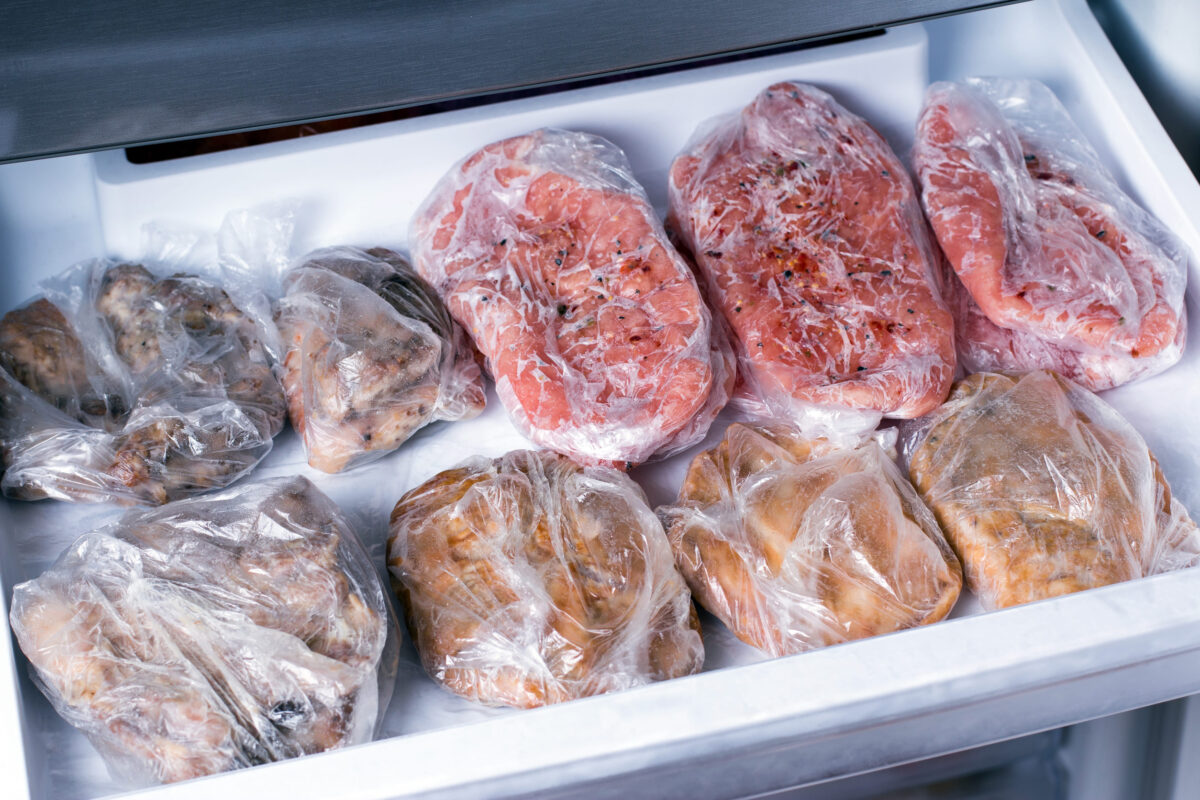
The biggest factor in deciding whether meat can be refrozen is how it was thawed. The USDA recognizes three safe thawing methods: refrigeration, cold water, and microwave defrosting. However, each method requires different next steps.
Refrigerator thawing is best when you want to refreeze meat without cooking it. Set the refrigerator to 40°F or below. This keeps the meat cold during thawing and lets you safely refreeze it within the recommended storage window.
Meat thawed in cold water or the microwave must be cooked immediately after thawing. You should not simply return it to the freezer in its raw state. Once cooked safely, however, you can freeze the meat again.
Leaving Meat on the Counter Changes Everything
One common kitchen mistake can make refreezing meat much more problematic. Leaving frozen beef, chicken, or pork on the kitchen counter might seem like a convenient way to speed up dinner preparation. Unfortunately, the USDA does not consider thawing at room temperature safe.
Perishable foods should not remain at room temperature for more than two hours. That limit drops to just one hour when temperatures exceed 90 degrees Fahrenheit. Bacteria can multiply rapidly when meat enters the danger zone, between 40 and 140 degrees Fahrenheit.
Even if the center of a package stays frozen, the outer portions may warm up too much. This is why USDA guidance recommends keeping meat out of room-temperature thawing conditions. Discard meat left outside refrigeration beyond the recommended limits rather than refreezing it.
Refreezing Can Change the Texture of Your Meat
Even when refreezing is completely safe, the meat may not taste or feel quite the same after cooking. Freezing causes moisture inside meat to form ice crystals, which can damage its cellular structure. When the meat thaws, some of that moisture may escape.
This process becomes more noticeable with repeated freeze-thaw cycles. The result may be reduced juiciness or a less appealing texture. USDA guidance acknowledges that refreezing can reduce quality even when the food remains safe.
This doesn’t mean every refrozen steak or chicken breast will turn out poorly. It simply means you may notice differences compared with meat that has only been frozen once. For the best eating experience, avoid unnecessary freezing cycles.
Related: freezer-myths-food-experts-wish-you-would-stop-believing/
How Long Can Thawed Meat Stay in the Refrigerator?
Knowing how long thawed meat can remain refrigerated is just as important as knowing whether it can be refrozen. Different meats have different storage recommendations, and the USDA provides specific guidance. Following these time frames can help you decide when to cook, freeze, or discard a package.
Ground beef, ground poultry, and raw chicken generally have a refrigerator storage window of one to two days after thawing. Beef steaks, chops, and roasts can usually remain refrigerated for three to five days after thawing. These recommendations assume the meat was thawed in the refrigerator and kept at 40 degrees Fahrenheit or below.
The clock doesn’t restart simply because you change your dinner plans. If you thawed ground beef in the refrigerator for two days, freezing it promptly is better than leaving it longer. Timing matters as much as temperature.
Freezer Storage Times Are About Quality

Freezers can keep meat safe much longer than refrigerators, as long as the temperature stays at 0°F or below. However, the USDA’s recommended freezer storage periods are primarily about preserving food quality. They are not automatic expiration dates.
According to the USDA’s freezer storage guidelines, uncooked ground meat stays at its best for about three to four months. Uncooked poultry pieces have a recommended freezer storage period of nine months. Raw beef steaks, chops, and roasts generally have a quality window of four to twelve months.
Meat kept continuously frozen at 0°F can remain safe indefinitely. However, extended storage may affect its flavor, moisture, and texture. For this reason, dating packages before freezing can make freezer management much easier.
Proper Packaging Makes a Difference
How you package meat before freezing can influence how well it holds up in storage. Air reaching the meat’s surface can contribute to freezer burn, which affects its appearance and quality. Freezer burn does not automatically mean the meat is unsafe.
The USDA recommends protective materials such as freezer paper, aluminum foil, and freezer-safe plastic wrapping for longer storage. Properly sealed freezer bags can also help protect meat from exposure to air. Vacuum sealing is another option for reducing air contact.
Before returning thawed meat to the freezer, make sure the packaging is secure and freezer-safe. Label the package with the date to track its storage history. These simple habits can make a noticeable difference when it’s finally time to prepare dinner.
Don’t Rely on Smell Alone to Judge Safety
Many home cooks instinctively smell meat before deciding whether it is still usable. Although an unpleasant odor can indicate spoilage, the absence of a bad smell does not guarantee safety. Harmful bacteria may be present without producing obvious changes in appearance or odor.
USDA guidance specifically warns against relying solely on sight or smell to determine whether food is safe. Instead, pay attention to storage temperatures, thawing methods, and recommended refrigeration periods. These provide a more reliable basis for deciding whether to cook, refreeze, or discard meat.
Ultimately, the old rule that thawed raw meat must never return to the freezer is too broad. Meat thawed safely in the refrigerator can generally be refrozen without cooking it first, even though some quality may be lost. Understanding that distinction can help you avoid unnecessary food waste without compromising food safety.
Other articles you may like:
– organizing-your-freezer/
– things-older-generations-never-wasted-money-on-in-the-kitchen/
– chicago-stole-new-yorks-steakhouse-crown-and-meat-lovers-are-booking-flights-to-the-windy-city/