8 Food Recalls That Are Making People Rethink Growing Their Own Food
Imagine picking up a bag of fresh vegetables from the grocery store, only to discover days later that the product has been recalled over possible bacterial contamination. For American shoppers, food recalls involving everyday fruits, vegetables, and herbs have raised questions about where their groceries come from and how they’re handled before reaching the dinner table.
From contaminated carrots to cucumbers linked to Salmonella outbreaks, several major recalls between 2024 and 2026 have highlighted vulnerabilities in the food supply. Growing vegetables at home may appeal to consumers who want more control over their food, though no verified evidence shows these recalls caused a widespread shift toward home gardening.
Here are eight documented recalls that offer plenty of reasons to pay closer attention to food sourcing, while also showing why homegrown produce isn’t automatically risk-free.
Organic Carrots Recalled After Deadly E. Coli Outbreak
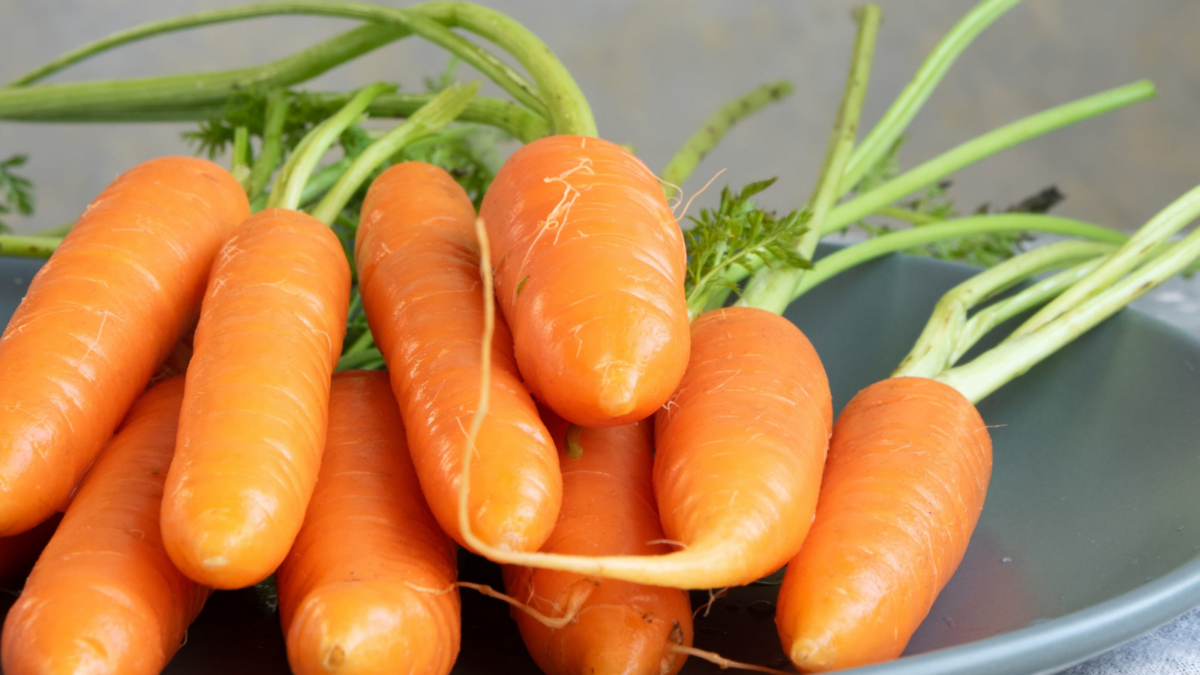
Carrots are one of America’s most familiar vegetables, making the November 2024 recall particularly concerning.
Grimmway Farms recalled several brands of organic whole and baby carrots following an outbreak of Shiga toxin-producing E. coli.
According to the FDA, the outbreak resulted in 48 reported illnesses across 19 states, including 20 hospitalizations and one death. The investigation officially concluded in December 2024.
Recalled products were sold under several recognizable grocery store brands, including Trader Joe’s, Good & Gather, and 365.
For gardeners, carrots are an appealing crop because they grow well in raised beds and suitable containers.
However, growing them at home doesn’t eliminate contamination risks. Soil, irrigation water, and improperly handled compost can introduce harmful microorganisms.
The recall showed that even vegetables marketed as organic can carry foodborne pathogens.
Cucumbers Linked to More Than 100 Salmonella Infections
Cucumbers are common ingredients in American salads, sandwiches, and summertime dishes.
In November 2024, SunFed Produce recalled whole fresh cucumbers grown in Sonora, Mexico, after investigators connected them to a Salmonella outbreak.
Other businesses subsequently recalled cucumbers and prepared foods containing the affected produce.
The FDA reported 113 illnesses across 23 states, with 28 hospitalizations and no deaths. The outbreak was declared over in January 2025.
What made the incident particularly notable was how contaminated cucumbers could reach consumers through several different products.
Growing cucumbers at home lets you harvest them fresh and skip some commercial distribution steps.
Still, home gardeners must use clean water, follow safe handling practices, and wash harvested cucumbers before preparing them.
Related:The Lettuce in Our Refrigerators Could Make Us Sick as Cyclospora Outbreak Spreads
Onions Recalled Following McDonald’s E. Coli Outbreak
Onions might seem like an unlikely source of a major restaurant-related food safety investigation.
But in October 2024, Taylor Farms recalled yellow onions supplied to McDonald’s and other food service customers.
Investigators identified fresh, slivered onions as the likely source of an E. coli outbreak involving McDonald’s Quarter Pounder hamburgers.
According to the FDA, 104 illnesses were reported across 14 states, including 34 hospitalizations and one death. The outbreak was declared over in December 2024.
The affected onions were primarily distributed to food service businesses rather than directly to grocery shoppers.
Onions are also popular home-garden crops. Gardeners can choose varieties suited to their region and grow them in garden beds or deep enough containers.
Nevertheless, proper harvesting, drying, and storage remain important.
The outbreak reminds us that contamination can affect even ordinary ingredients used in familiar meals.
Related:25 Foods You Didn’t Know Were Killing Your Metabolism
Fresh Basil Recalled After Salmonella Cases
Fresh basil can transform homemade pasta, pizza, and salads, but a 2024 recall showed that herbs aren’t exempt from food safety problems.
Infinite Herbs recalled certain packages of fresh organic basil sold through retailers, including Trader Joe’s. The recall was later expanded to include Melissa’s-brand basil.
Federal investigators linked the products to a Salmonella outbreak.
The FDA reported 36 illnesses across 14 states, with four hospitalizations and no deaths. The outbreak ended in June 2024.
For people interested in growing food at home, basil is one of the most accessible starting points.
It can grow in containers on sunny balconies, patios, or windowsills when conditions are suitable.
A small basil plant can provide leaves for cooking without requiring a large outdoor garden.
However, homegrown herbs still require safe water, clean containers, and careful handling before use.
Tomatoes Recalled Over Possible Salmonella Contamination
Fresh tomatoes appear in countless American meals, from burgers and sandwiches to salads and homemade sauces.
In May 2025, Indiana-based Ray & Mascari recalled certain four-count packages of vine-ripened tomatoes due to possible Salmonella contamination.
According to the FDA, the affected packages carried specific lot numbers, including RM250424 15250B and RM250427 15250B.
This was a precautionary recall involving identified products, not evidence that all tomatoes were unsafe. A recall over possible contamination also doesn’t necessarily mean illnesses have occurred.
For people considering a vegetable garden, tomatoes are an obvious place to start.
Depending on the variety, they can grow in outdoor beds, raised planters, or large containers.
Growing tomatoes at home allows gardeners to choose their varieties and harvest fruit when it reaches the desired ripeness.
Still, preventing contamination requires attention to soil amendments, water quality, and clean harvesting equipment.
California Peaches Recalled Because of Listeria Concerns
Peaches are a summertime favorite, enjoyed fresh, baked into pies, or sliced into desserts.
In October 2025, Moonlight Companies initiated a voluntary recall involving certain California-grown conventional yellow and white peaches.
The concern was potential contamination with Listeria monocytogenes, a bacterium that can cause serious illness, particularly among pregnant women, older adults, and people with weakened immune systems.
The FDA published a subsequent clarification on November 9, 2025, explaining the affected product codes and stating that the recall had not been expanded. The agency now lists the recall as completed.
For some homeowners, fruit trees may seem like an attractive alternative to purchasing everything at the supermarket.
However, peach trees require suitable growing conditions, adequate space, seasonal care, and pest protection.
Growing fruit at home can be rewarding, but it doesn’t guarantee freedom from bacterial contamination.
Broccoli Sprouts and Seeds Recalled in 2026
One major recall shows why growing food at home isn’t automatically safer.
In September 2026, Evergreen Fresh Sprouts recalled broccoli sprouts following Salmonella concerns.
The FDA subsequently identified recalls involving several brands of broccoli sprouting seeds, including Gardeners Basics, Eden Brothers, and Home Grown.
Those seeds had been sold through online retailers and gardening suppliers, making the investigation especially relevant to people who grow sprouts themselves.
In its September 9 update, the FDA reported 22 illnesses and two hospitalizations. As of its October 9 update, the agency’s investigation was ongoing, and it advised consumers not to use recalled seed lots.
Sprouts require warm, moist conditions for germination, which can also encourage bacterial growth.
For home gardeners, the lesson is especially important: purchasing seeds intended for sprouting doesn’t guarantee they are free from harmful bacteria.
Anyone growing sprouts should follow food safety guidance and check recall notices before using purchased seeds.
Alfalfa Sprouts Recalled Amid E. Coli and Salmonella Investigation
Another 2026 investigation involved alfalfa sprouts, a popular ingredient in sandwiches and salads.
In August, Everything Sprouts recalled certain alfalfa sprout products distributed under the Calco and Everything Sprouts brands.
The FDA investigated illnesses involving Shiga toxin-producing E. coli and Salmonella.
The investigation also extended to sprouting seeds. In September 2026, Berlin Seeds recalled certain alfalfa sprouting seeds after being notified of possible bacterial contamination.
As of October 2026, the FDA continued investigating the outbreak and advised consumers not to use recalled sprouting seeds.
This incident matters because some consumers grow sprouts in jars or small countertop containers.
Although growing sprouts at home offers convenience, harmful bacteria can already be present on the seeds.
Home sprouting cannot be assumed to eliminate that risk.
Is Growing Your Own Food Really Safer?
These recalls highlight legitimate food safety concerns, but they don’t prove that homegrown produce is safer than commercially grown food.
The CDC warns that contaminated agricultural water can introduce harmful microorganisms to fruits and vegetables, regardless of the size of the growing operation.
Home gardeners should use safe irrigation water, avoid improper manure use, keep gardening tools clean, and wash their hands and harvested produce.
Food recalls also reflect specific problems involving identified products. They should not be interpreted as evidence that all commercially grown produce is dangerous.
Consumers who want more information about their groceries can shop at local farmers’ markets, ask growers about production practices, and monitor FDA recall announcements.
Other Posts You Might Like:
10 Vegetables That Have Caused Human Deaths
FDA Flags Olive Oil Recall Over an Unapproved Garlic Ingredient