7 Made-Up Bible Verses in Movies That Sound Too Real to Question
Some movie lines feel like scripture, carrying the solemnity of ancient texts and the weight of judgment, mercy, and divine authority. The rhythm, archaic diction, and careful word choice combine to trick viewers into believing they are hearing sacred lines handed down through the generations. Made-up Bible verses in movies often feel astonishingly convincing because they tap directly into the audience’s instincts for respecting the cadence and tone of biblical language, and the words are strategically placed in moments of intense drama or moral decision-making.
Filmmakers understand the power of language shaped by centuries of religious culture. By placing invented scripture at moments of suspense, revelation, or violence, a single line can instantly make a character seem chosen, haunted, morally ambiguous, or terrifyingly righteous. These lines linger because the audience experiences the scene’s emotions first, embedding the language in their memory before they even consider whether it appears in a real Bible. In many cases, the fake verse becomes a cultural artifact, repeated, quoted, and recognized independently of its cinematic origin.
Pulp Fiction

Few movie lines have achieved the iconic status of the verse recited by Jules Winnfield in Pulp Fiction. Presented as Ezekiel 25:17, the dialogue dramatically expands the biblical text, adding poetic flourishes and moral reflections that do not exist in the original scripture. The real passage focuses briefly on vengeance, divine justice, and the righteous destruction of evil, but the film’s adaptation adds tension, philosophical weight, and a rhythmic cadence designed to mesmerize both characters and viewers alike.
This line functions on multiple levels within the film’s narrative. Early on, Jules recites the verse as a ritual before carrying out violent acts, almost as if the sound of scripture itself can sanctify morally ambiguous deeds. Later, after a near-death experience shakes him, he begins to interpret the words in a new light, reflecting on justice, mercy, and his own transformation. The fake verse becomes more than just a memorable monologue; it turns into a narrative instrument that drives character development, moral questioning, and a philosophical meditation on human action.
The Boondock Saints
In The Boondock Saints, the McManus brothers recite a prayer that sounds deeply Catholic, solemn, and ritually sacred, yet it does not appear in any biblical text. Its effect comes from careful phrasing, rhythmic cadence, and the brothers’ profound belief that they are instruments of divine judgment. Each word resonates with moral gravity, and its repetition establishes the characters’ sense of purpose, while also giving the audience the impression that they are witnessing a truly holy act.
The crafted prayer transforms vigilante justice into a ceremonial performance, presenting extreme acts as if sanctioned by divine authority. By making the words sound sacred, the film asks the audience to confront complex moral questions: when does righteousness justify violence, and when does conviction tip into obsession? The cinematic combination of delivery, framing, and dramatic music amplifies the verse’s authority, making the invented lines feel both authentic and hauntingly unforgettable.
The Omen
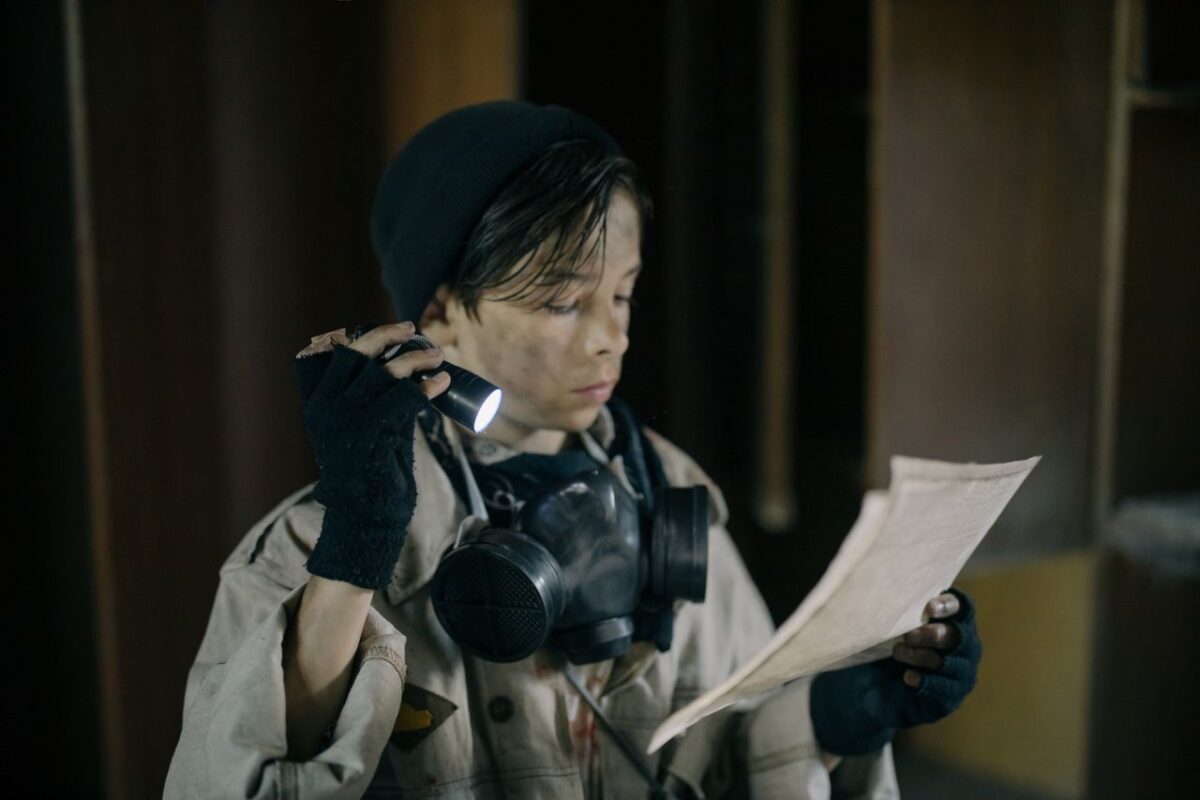
The Omen leverages the biblical framework of apocalyptic prophecy to instill dread and suspense. A central prophecy within the film references ominous signs, the number of the beast, and the rise of the Antichrist, but much of its wording was invented to heighten narrative tension. The filmmakers designed it to feel like a real scriptural warning, echoing imagery familiar to audiences while creating a sense of inevitability around Damien Thorn’s actions.
This fabricated prophecy heightens the film’s narrative stakes by endowing Damien with cosmic significance beyond his immediate, horrifying actions. Audiences perceive that sacred forces are at play, turning a domestic thriller into a tale of ancient, unstoppable destiny. By borrowing tone, style, and imagery from actual biblical verses, the movie makes invented lines seem credible, demonstrating the power of context, timing, and cinematic framing in convincing viewers of the authenticity of fictional scripture.
The Book of Eli
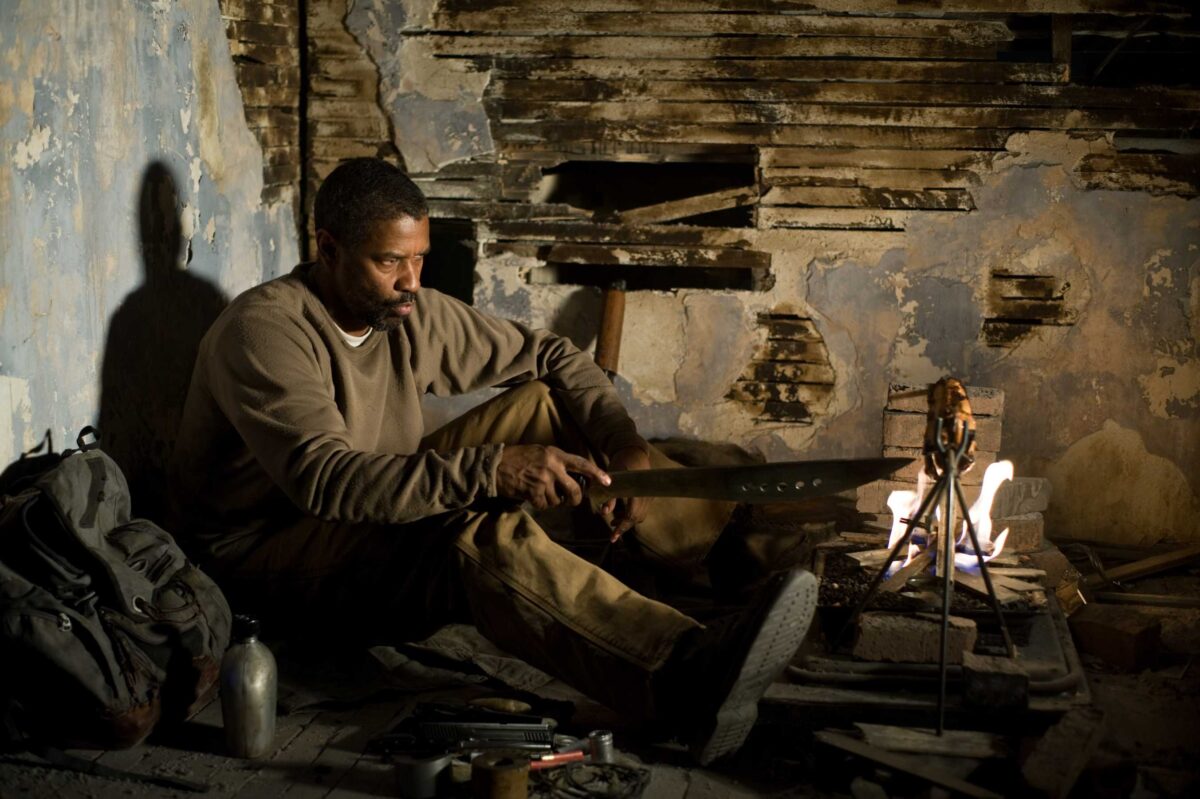
In The Book of Eli, the Bible is depicted as a scarce, powerful artifact in a post-apocalyptic wasteland, and the film underscores the importance of both faith and knowledge. Some lines resemble biblical text, while others are adapted or entirely invented to suit Eli’s perilous journey and the world’s desperate circumstances. In this context, a fabricated verse gains plausibility because it aligns with the scarcity and reverence placed on the text itself.
The movie amplifies the emotional weight of these verses through survival stakes and cinematic intensity. In a world where literacy, memory, and scripture have become rare commodities, even invented passages take on the aura of sacredness, as people cling to fragments that may contain guidance, warning, or hope. The fake verses reinforce the narrative tension and highlight the transformative power of words in a broken society, proving that context can make fiction feel profoundly authentic.
Stigmata
Stigmata uses invented sacred messages to generate tension, focusing on secret writings, suppressed knowledge, and the authority of the church. Although it does not present a traditional verse, the film fabricates passages that characters fear could reveal dangerous truths. The suspense is heightened by references to historical debates over early Christian texts, which make the invented lines feel credible and frightening.
By suggesting that hidden or lost scripture can threaten powerful institutions, the film taps into longstanding cultural anxieties about authority, knowledge, and faith. The tension comes from the possibility that even a few altered words could change perception, inspire doubt, or incite conflict. In this way, the movie demonstrates that fake scripture can carry narrative weight, evoke fear, and manipulate audience perception through its careful construction.
The Prince of Egypt
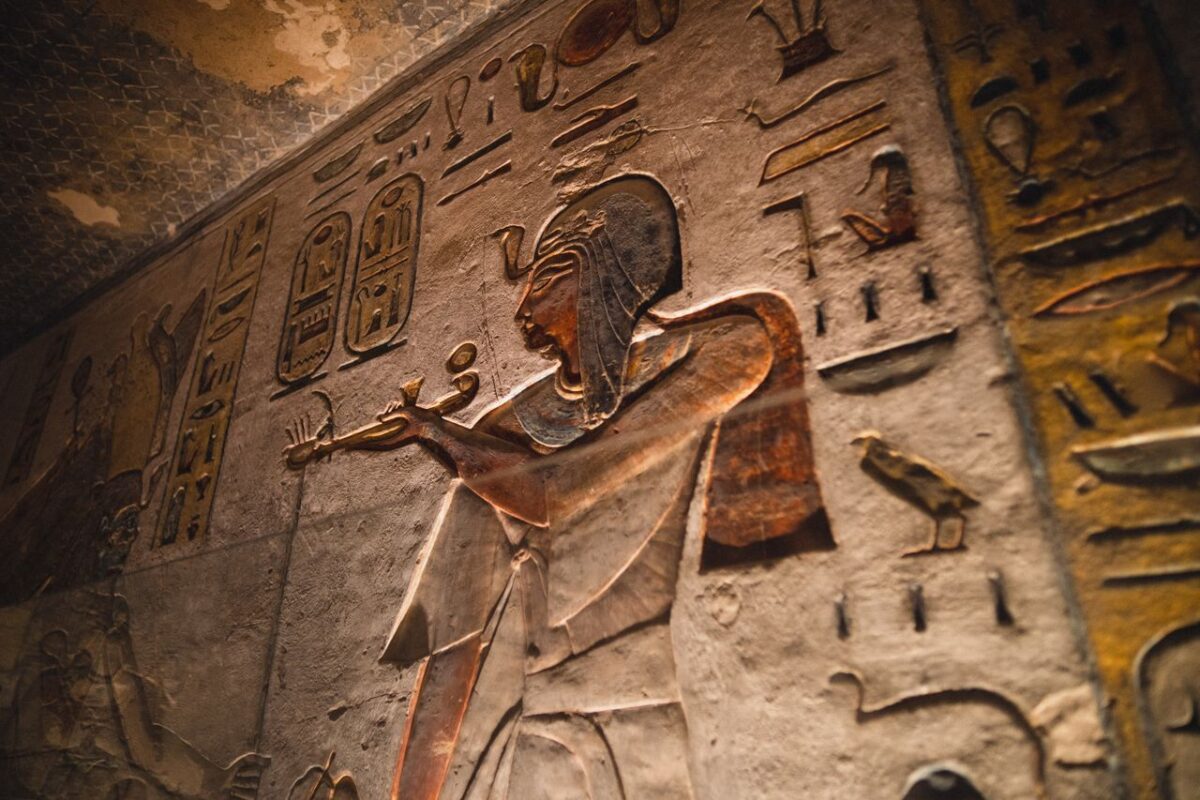
Animated films like The Prince of Egypt show that made-up or adapted scripture can be used for storytelling rather than deception. While some dialogue remains faithful to Exodus, other lines are expanded or invented to enhance clarity, emotional impact, or pacing. These changes ensure that audiences grasp the narrative while still feeling the weight and grandeur of sacred stories.
The adaptation emphasizes character development and dramatic tension, giving Moses and other figures words that resonate with contemporary viewers while preserving a sense of spiritual authenticity. The result is a version of scripture that is both cinematic and emotionally compelling. By inventing or adapting lines for tone, cadence, and narrative coherence, the film illustrates how fictionalized scripture can feel meaningful and real without misleading audiences about canonical content.
Conclusion
Made up Bible verses in movies succeed because they resonate emotionally, not because they are accurate. From Pulp Fiction to The Prince of Egypt, Hollywood uses invented scripture to heighten moral tension, inspire fear, and dramatize faith. By blending cadence, solemnity, and imagery, filmmakers craft lines that feel sacred in context, often outlasting real verses in cultural memory. Recognizing these lines as cinematic devices allows audiences to enjoy the drama without confusing fiction with religious authority, appreciating both the craft and the impact of storytelling.