10 Cost of Gas the Year You Were Born
Gas prices have always been more than numbers glowing on a roadside sign. They decide how far families drive, how much commuters grumble, how expensive groceries feel, and how loudly everyone complains at the pump. A gallon of gas once cost less than a candy bar in some parts of American memory, then climbed into the kind of expense that could drain a weekly budget before lunch.
Looking at the cost of gas the year you were born is like opening a family photo album with a receipt tucked inside. Every generation has its own pump shock, from postwar pennies to oil-crisis panic to twenty-first-century sticker pain. These 10 years show how gas prices changed the American road, one gallon at a time.
1950, When Gas Was Still Pocket Change

If you were born in 1950, the average annual retail price of gasoline was about 27 cents per gallon. That sounds almost imaginary today, but it fit an America that was still growing into its car culture. Suburbs were expanding, highways were becoming symbols of freedom, and family drives felt like part of the American dream.
The funny part is that 27 cents isn’t as tiny as it looks once inflation is factored in. In 2023 dollars, that price was closer to $3.29 per gallon, which means 1950 drivers still felt fuel costs in real terms. The number was small, but the relationship between income, cars, and household budgets still mattered.
1960, Cheap Gas Helped Build the Road Trip Era
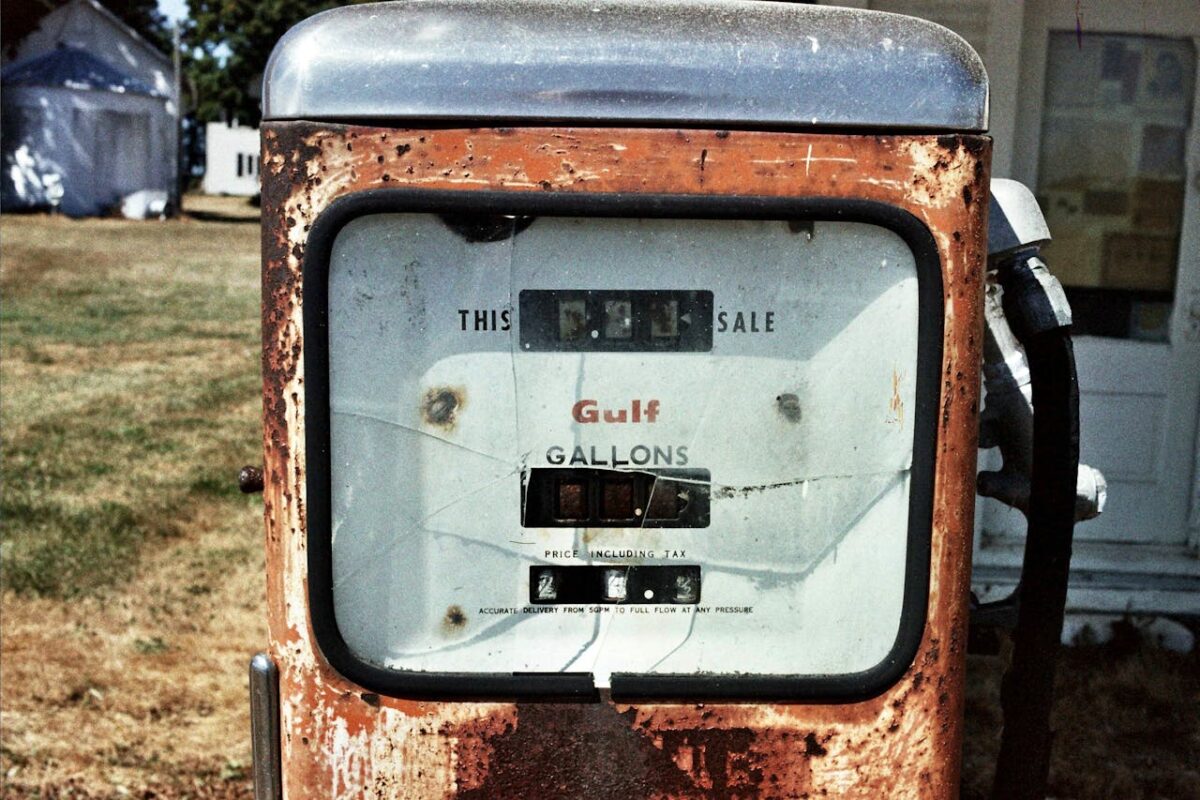
By 1960, the average gasoline price was roughly 31 cents per gallon. America was deep into the age of chrome bumpers, drive-ins, motels, and long family road trips. For many households, the car was no longer a luxury sitting in the driveway; it was part of daily life.
That price helped fuel a culture built around motion. Families could pack sandwiches, load the trunk, and cross state lines without treating fuel like a financial emergency. Still, the inflation-adjusted price sat near $3.20 in 2023 dollars, proving that “cheap gas” always depends on the size of the paycheck behind it.
1970, The Calm Before the Fuel Storm
If you were born in 1970, gasoline averaged about 36 cents per gallon. On paper, that looks calm and affordable. In reality, America was only a few years away from one of the biggest energy wake-up calls in modern history.
The early 1970s still carried some of the confidence of the postwar driving boom. Big cars ruled the road, fuel economy was rarely treated like a dinner-table crisis, and many drivers assumed gas would stay easy to find. That assumption would not survive the decade.
1974, The Oil Embargo Hit the Pump Hard
People born in 1974 entered the world during a major turning point for American drivers. Gas averaged about 53 cents per gallon that year, a sharp jump from the early 1970s. The OPEC oil embargo helped turn gasoline from a casual purchase into a national anxiety.
This was the era of gas lines, odd-even rationing rules in some places, and drivers suddenly thinking twice about the size of their cars. A gallon still costs less than a dollar, but the mood had changed. For the first time in a big way, many Americans realized the pump could become political, global, and painfully personal.
1980, The Dollar-a-Gallon Shock Arrived

If you were born in 1980, your birth year came with a gasoline average of about $1.25 per gallon. That was a psychological line for many drivers. Gas had crossed from cents into dollars, and the change felt bigger than simple math.
The Iran-Iraq War helped push energy markets into another rough stretch. Families watched fuel costs climb, automakers felt pressure to rethink efficiency, and compact cars started looking smarter than oversized gas guzzlers. The price in 2023 dollars was about $4.43, making 1980 one of those years that still looks painful after inflation.
1990, Drivers Faced New Global Tension
Gas averaged around $1.16 per gallon in 1990. That was lower than the early 1980s peak, but it arrived with fresh unease as the Gulf crisis shook oil markets. Drivers had learned by then that world events could quickly reach their wallets.
The 1990 price also shows how gas does not move in a straight line. It rises, falls, pauses, and spikes again when supply fears appear. For families juggling mortgages, commutes, and growing household costs, even a few extra cents per gallon could feel irritating when repeated every week.
In 2000, A New Century Started With Rising Fuel Worries
If you were born in 2000, gas averaged about $1.51 per gallon. That number sounds mild compared with today’s pump prices, but it marked the beginning of a new period of steady fuel-price anxiety. SUVs were popular, commutes were long, and American drivers were burning plenty of fuel.
The early 2000s also showed how quickly comfort can disappear. Gas prices would rise sharply over the next several years, pushed by global demand, oil market pressure, and later economic shocks. For many young families, the new century did not bring cheaper transportation. It brought longer drives and a bigger fuel bill.
In 2008, The Pump Became a Household Villain
People born in 2008 arrived during one of the most memorable gas-price years in modern America. The annual average reached about $3.27 per gallon, but many drivers remember seeing prices climb even higher in some months. Fuel became a daily symbol of economic stress.
The timing made everything worse. The financial crisis was crushing jobs, home values, and household confidence. Gas prices later fell during the recession, but the damage to consumer mood had already happened. For many Americans, 2008 became the year the pump stopped feeling annoying and started feeling threatening.
2012, High Prices Became the New Normal
If you were born in 2012, gas averaged about $3.64 per gallon. That was one of the highest annual averages in the dataset. The shock was different from 2008 because drivers were no longer surprised that gas could get expensive; they were exhausted by how long high prices had lasted.
By then, fuel economy had become a serious selling point. Hybrid cars looked less unusual, smaller vehicles gained new respect, and every road trip needed a little more math. The open road was still calling, but the pump was standing beside it, a calculator in hand.
2022, The Modern Gas-Price Gut Punch

People born in 2022 entered the world during another brutal pump year. Gas averaged about $4.09 per gallon, the highest listed annual price in the 1950 to 2023 dataset. Drivers felt it fast, especially families with long commutes, delivery jobs, older vehicles, or tight grocery budgets.
The pain came after the pandemic had already scrambled supply chains, household finances, and travel habits. Then, global energy pressure added more fuel to the fire. By 2023, the average dropped to about $3.50, but 2022 left a mark. It reminded Americans that gas prices can still roar back like an old problem wearing new clothes.
Conclusion
The cost of gas the year you were born tells a bigger story than a simple price tag. It shows how American life has changed through highways, suburbs, wars, recessions, oil shocks, inflation, and the daily need to get from one place to another. A gallon of gas has been cheap, expensive, calm, chaotic, and sometimes all of those things in one decade.
What makes the history so interesting is that every generation has its own pump memory. Older Americans remember cents-per-gallon signs. Middle-aged drivers remember oil crises and dollar milestones. Younger adults remember $4 gas, recession stress, and the constant feeling that transportation keeps getting harder to afford. The number on the pump changes, but the emotion stays familiar: everyone notices when gas starts taking a bigger bite out of life.