The Everyday Costs Quietly Draining Local Households This Summer
The most painful price hikes are not always the loudest ones. They do not always arrive as a single shocking bill or an impossible grocery receipt. More often, they creep into daily life through errands, services, meals, fees, subscriptions, and small conveniences people barely have time to question.
That is why many local households are feeling squeezed even when they are not making big purchases. A family can skip a vacation, delay a furniture upgrade, or avoid buying a new car. But it is much harder to stop paying for groceries, gas, haircuts, school supplies, rent, repairs, takeout, pet food, prescriptions, and the little charges that appear when life gets busy.
For consumers, the real story is no longer just inflation. It is the way everyday life has become more expensive at every stop.
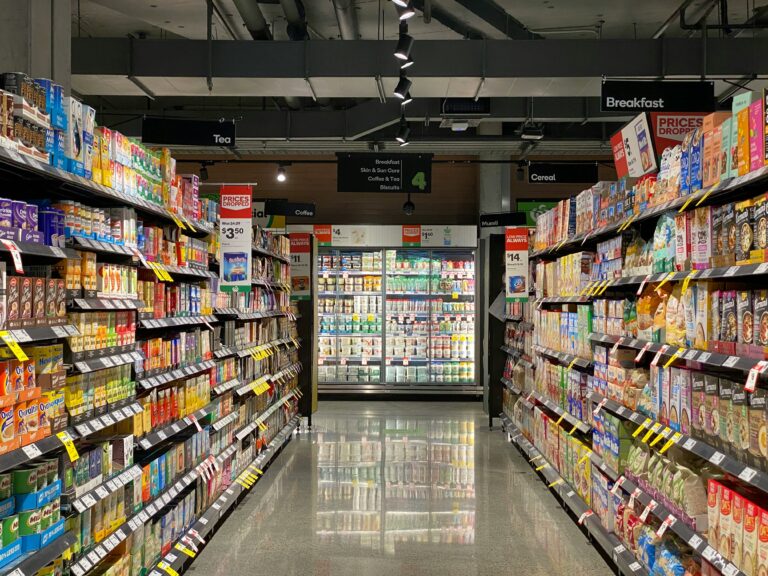
The grocery aisle still feels heavier.

Grocery prices are no longer rising at the explosive pace many shoppers remember from the worst inflation years, but that does not mean families feel relief. The damage from earlier price jumps is still sitting on shelves. Shoppers are not comparing today’s prices with last month’s receipt alone. They are comparing them with what they remember paying before everything felt inflated.
That memory matters. A carton of eggs, a loaf of bread, a bag of rice, or a pack of chicken may not shock every shopper every week. But when several common items stay elevated at the same time, the full basket becomes the problem.
Local grocery trips now require more planning than they did a few years ago. More shoppers are switching brands, buying smaller portions, checking weekly circulars, and choosing store labels over national names. What used to be casual shopping has become a quiet budgeting exercise.
Eating out is becoming the bigger sacrifice.

For many households, restaurants are becoming the first luxury to get cut. The decision is not always dramatic. It can be as simple as cooking on Friday night instead of ordering delivery, skipping appetizers, sharing a meal, or choosing fast food only when there is a deal.
Restaurant prices carry more than food costs. They reflect wages, rent, insurance, packaging, delivery fees, card processing charges, and supplier prices. Even a small menu increase can feel larger once taxes, tips, delivery charges, and service fees are added at checkout.
That creates a tough local ripple effect. Families pull back to protect their budgets, but small restaurants depend on steady traffic to survive. When customers visit less often, local businesses feel the pressure too.
Hidden fees are testing consumer patience.
One of the biggest frustrations for consumers is not just paying more. It is discovering the real price too late. A hotel room, concert ticket, delivery order, repair appointment, or short-term rental can look affordable at first, then become much more expensive at checkout.
These extra charges have created a trust problem. Consumers want clear prices before they make decisions. They do not want to build a plan around one number only to find out the final cost is much higher once mandatory fees are factored in.
That is why hidden fees have become a major consumer issue. For local readers, the advice is simple. Before booking, buying, or reserving anything, check the final checkout page. The advertised price is no longer enough.
Personal care is getting harder to ignore
Haircuts, skin care, toiletries, dental products, deodorant, shaving supplies, salon visits, and basic grooming needs are often treated as small expenses. But they add up quickly. These are not always optional purchases, especially for workers, students, parents, and people who need to stay presentable in public-facing jobs.
The pressure becomes clearer when households begin stretching appointments. Someone may wait longer between haircuts, delay a dental cleaning, skip a salon service, or buy cheaper personal care products. These choices may look small from the outside, but they show how deeply price pressure has entered ordinary life.
Local consumers are adapting by comparing service providers, using loyalty discounts, buying in bulk when possible, and cutting back on products they once purchased without thinking. Convenience is still valuable, but affordability is now winning more often.
Summer plans now come with a calculator.

Summer used to feel like the season of small escapes. A weekend trip, a county fair, a water park, a family cookout, or a quick hotel stay could break up the routine without destroying the budget. Now, many households are doing the math before they say yes.
Travel costs do not stop with transportation. Families must consider lodging, meals, parking, tips, tickets, sunscreen, snacks, pet boarding, and time away from work. Even a modest local getaway can become expensive once every piece is counted.
That does not mean families are staying home completely. It means more people are choosing day trips, local parks, public events, library programs, free concerts, community pools, and backyard gatherings. The lifestyle is changing, not disappearing.
Subscriptions are becoming the quiet budget leak.

Streaming services, phone apps, cloud storage, fitness platforms, delivery memberships, music plans, gaming subscriptions, and digital tools can quietly drain a household budget. One subscription may seem harmless. Five or six can become a monthly bill hiding in plain sight.
The problem is that many people no longer notice these charges. They renew automatically. They land on cards. They feel small enough to ignore until a family reviews the full month.
A simple subscription audit can free up money quickly. Local consumers should review every recurring charge, cancel unused services, rotate streaming platforms rather than keeping them all, and remove app trials before renewing. The easiest savings often come from services people forgot they were still paying for.
Local shopping habits are changing fast.
Consumers are becoming more strategic. They are not just buying less. They are buying differently. More households compare prices online before visiting a store, use curbside pickup to avoid impulse purchases, choose discount grocers, and wait for sales on non-urgent items.
This shift affects local businesses in two ways. Shoppers still want convenience and good service, but they are less forgiving when prices feel unclear or unfair. A business that explains costs honestly may win more trust than one that hides charges until the final step.
For local stores, transparency is becoming a competitive advantage. For shoppers, patience is becoming a financial tool.
The smartest move is to track the boring stuff.
Most budgets do not collapse because of one coffee or one fast food meal. They weaken because no one tracks the pattern. A few extra dollars at the grocery store, a delivery fee, a forgotten subscription, a higher haircut, and a weekend outing can quietly absorb money that was supposed to go somewhere else.
The best consumer strategy is not to panic. It is visibility. Households should review bank statements, separate needs from convenience purchases, compare local prices, and set weekly limits for food, entertainment, and errands.
This is not about giving up every comfort. It is about knowing which comforts are worth the money. In a year when everyday costs keep testing local households, the people who pay attention first will have the best chance of staying ahead.
Conclusion
In the end, store pickup has become more than a convenience. It is now a major part of how Americans shop online. Shoppers want speed, control, and flexibility, whether that means walking into a store, waiting curbside, using a drive-through lane, or grabbing an order from a locker.
For retailers, the message is clear. Online shopping does not end at checkout anymore. The pickup experience can shape customer loyalty just as much as price, product selection, or delivery speed. Brands that make pickup faster, easier, and more reliable will have a stronger chance of keeping busy shoppers coming back.