Homemade English Muffins Have One Delicious Catch: You Might Want to Make Them Again
English muffins rarely get the dramatic breakfast treatment. They wait beside the toaster, catch a little butter and quietly hold a sandwich together. But making them from scratch turns that familiar round of bread into something worth noticing: a griddled breakfast project with a browned crust and a soft, craggy middle. The surprise is that you can make them without turning on the oven, as King Arthur Baking’s stovetop recipe demonstrates.
The appeal is not that supermarket muffins have suddenly become unacceptable. Baking writer PJ Hamel acknowledges that directly in her King Arthur article: “There are plenty of perfectly good English muffins out there.” Her case for homemade is the pleasure of doing it yourself and enjoying the fresh result. That is a much more convincing invitation than declaring war on the bread aisle: Try a batch because the process offers something a package cannot.
The Real Attraction Is the Crust-and-Cranny Combination
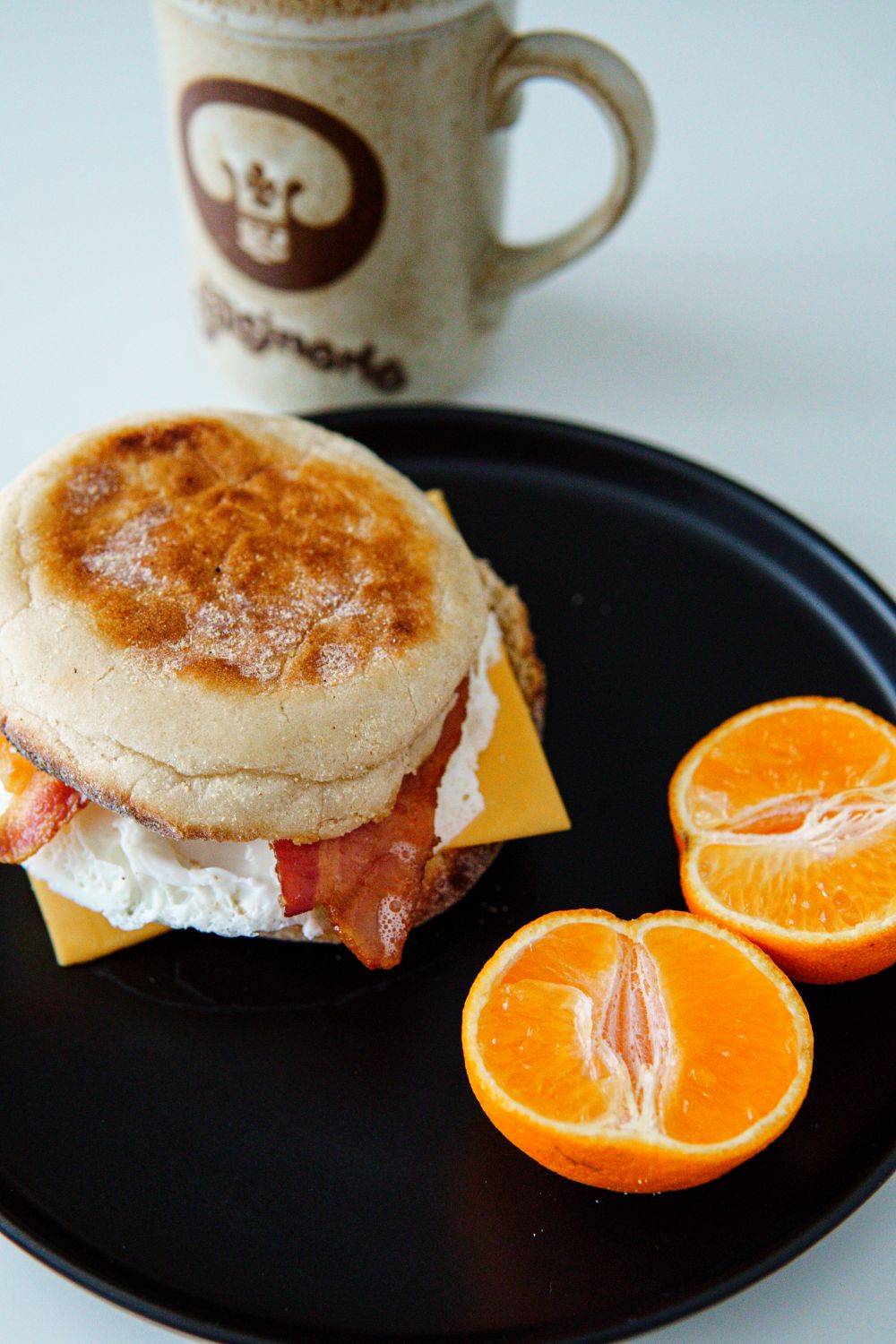
An English muffin’s personality comes from the contrast between its outside and inside. In pastry chef Stella Parks’ Serious Eats recipe, the muffins cook on a griddle or in a cast-iron skillet, developing a golden crust while keeping their interiors soft and moist. Butter used for griddling browns along the way, adding a toasty character to the exterior. This small breakfast bread has more going on than its modest appearance suggests.
Those famous crannies are not merely a finishing touch, either. Parks explains that her long, refrigerated rise develops the bubbles that help produce the muffin’s open interior. Her method calls for a first rise, gentle portioning and then at least 12 hours in the refrigerator before cooking. That overnight wait is doing useful work; it is not simply an elaborate way to postpone breakfast.
The dough needs a little consideration if you want to preserve that texture. “Whatever you do, don’t punch down that dough!” Parks writes, advising readers to handle her risen mixture gently before spooning it onto a cornmeal-lined baking sheet. The cornmeal keeps the sticky portions from spreading and later buffers them against the griddle’s heat. In other words, the dusting does more than make the muffins look ready for their close-up.
Flavor can develop without a sourdough starter, too. King Arthur’s Big Book of Bread version begins with a preferment, a mixture of flour, yeast, milk and water that rests before the remaining ingredients are added. “The longer the mixture ferments, the more flavor the English muffins will have,” the recipe explains. The preferment can rest for one to four hours, giving bakers a clear step rather than a vague instruction to wait and hope.
Related: Common Cooking Mistakes That Ruin Dinner, and the Simple Fixes That Actually Work
You Don’t Need a Bakery Setup, but You Do Need Patience
The equipment list is refreshingly ordinary for a project that can sound intimidating. Parks’ method does not require a mixer, rolling pin, cookie cutters or muffin rings. She stirs the dough, portions it with a spoon, and cooks it on an electric or cast-iron griddle, or in a cast-iron skillet. That makes homemade English muffins worth considering before you decide they require a new appliance and a dedicated corner of the kitchen.
What they do require is an honest look at the clock. Parks lists 17 hours and 30 minutes total for her overnight version, including 17 hours of proofing, while King Arthur lists four hours total and 45 minutes of hands-on work for its same-day recipe. Those are different approaches, not interchangeable schedules. Choose one complete, tested recipe and follow its timing instead of borrowing the quickest-looking step from each.
Cooking is the part where patience becomes especially important. As Hamel puts it, “You need to find the exact amount of heat that’ll cook the muffins all the way through and brown them perfectly, simultaneously.” A beautifully browned surface does not necessarily mean the center is ready. Her troubleshooting advice is reassuringly practical: Lower the heat if the muffins brown too quickly, and use her specified oven finish if they are already browned but still doughy inside.
The precise cooking instructions depend on the dough you choose. Parks specifies about eight minutes per side at 325°F on an electric griddle, or medium-low heat in a skillet, with an internal temperature of about 210°F. King Arthur’s same-day version calls for 10 to 15 minutes per side over medium-low skillet heat, or on a 350°F electric griddle. Those differences are a good reason to keep the recipe open rather than treating English muffins like pancakes you can flip on instinct.
The Final Step Makes All That Waiting Worthwhile
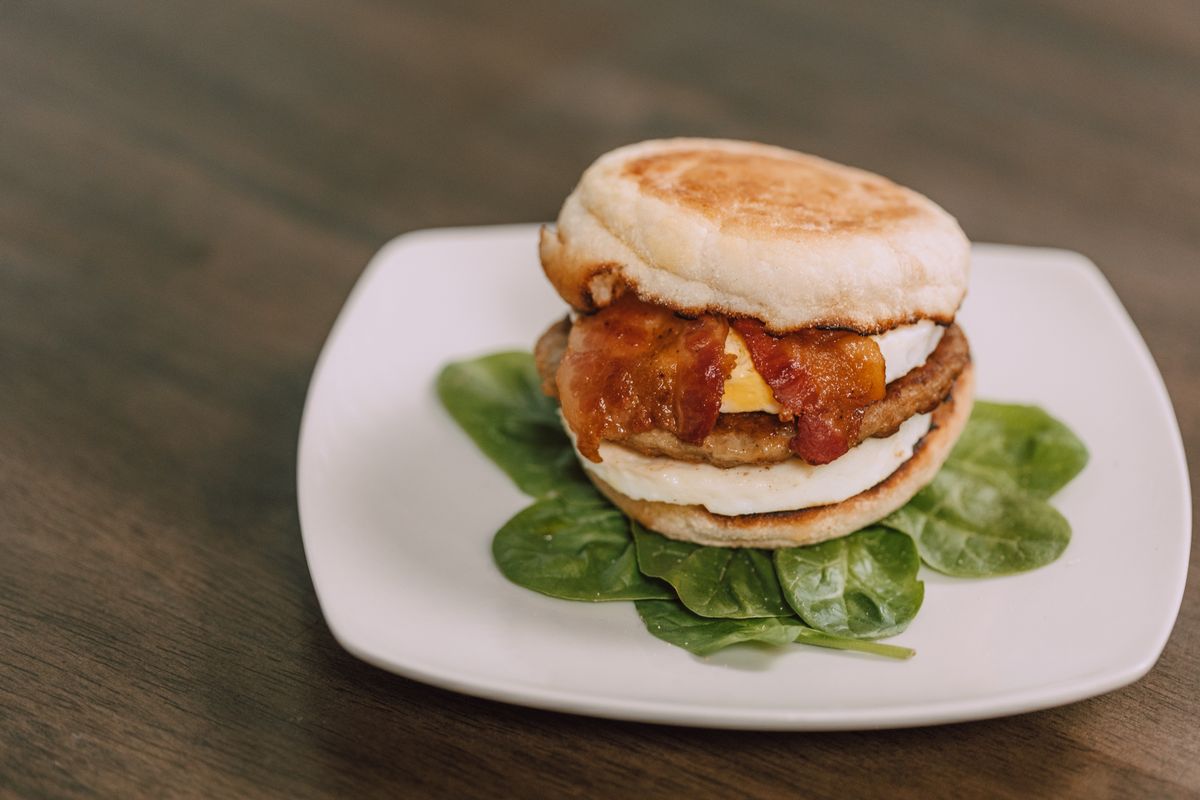
Once the muffins are cooked, resist reaching straight for a knife. King Arthur recommends fork-splitting before toasting, while Parks prefers gently pulling her cooled-enough-to-handle muffins apart by hand. Both approaches preserve the irregular interior rather than slicing it into a smooth surface. Work around the edge gradually, and that humble round opens into the textured halves you spent all that rising time developing.
From there, breakfast can stay wonderfully uncomplicated: Toast the halves and add butter, as both recipes suggest. A batch does not have to become a same-day eating assignment, either; King Arthur advises keeping its muffins airtight at room temperature for up to three days or freezing them for longer storage. That gives the project a practical payoff alongside the pleasure of making bread yourself. You are not signing a lifetime contract with homemade breakfast, just giving one familiar favorite a chance to be the main event.