
10 Period Mistakes That Make Everything Feel Worse

Periods are already challenging, with cramps, mood swings, fatigue, and bloating making even simple tasks feel impossible. The last thing anyone needs is a habit that worsens discomfort or adds stress. Many common period mistakes seem harmless in the moment, but can make your body feel heavier, itchier, or more fatigued. Avoiding these habits can help you get through your cycle with fewer regrets and more comfort.
Wearing the Same Period Product for Too Long
Wearing the same tampon, pad, cup, or period underwear for too long is a mistake many of us make because life gets busy. Extended wear can cause irritation, odor, and, in rare cases, increase the risk of infections like toxic shock syndrome with tampons. Regularly checking your period product and changing it before it becomes uncomfortable can protect your health and save you from an unpleasant surprise later in the day.
Using Scented Pads, Tampons, or Wipes
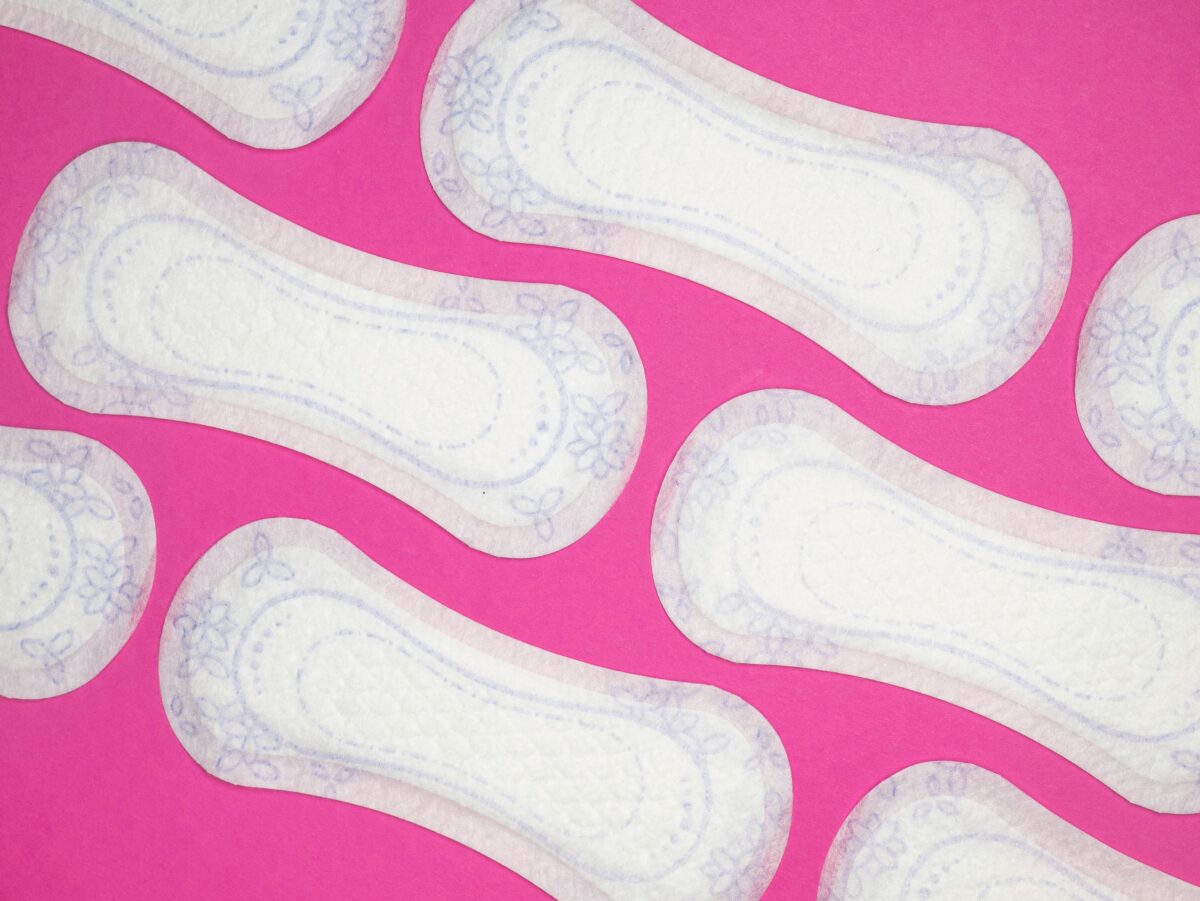
Scented period products may seem like a quick way to mask odor, but fragrance can irritate sensitive skin and disturb the natural balance of bacteria around the vulva. Your vagina is self-cleaning, and a mild smell during your period is normal. If you notice strong or unusual odors, itching, or burning, it’s safer to consult a healthcare provider rather than rely on scented products.
Douching to Feel Cleaner
Douching is often marketed as a shortcut to freshness, but it can disrupt the protective bacteria in the vagina, increasing the risk of infection or irritation. Simple external cleaning with water and a gentle, unscented cleanser is usually enough. Overdoing it can make you feel less clean while putting your body at risk.
Drinking Too Much Coffee

Coffee can feel like a survival tool during your period, but excess caffeine may worsen anxiety, breast tenderness, sleep difficulties, headaches, and even cramps. Switching one or two cups of coffee for water or herbal tea can help reduce jitteriness and make symptoms more manageable without completely giving up the pick-me-up you rely on.
Skipping Meals Because of Bloating
Skipping meals because of bloating is a common mistake that backfires. Your body needs energy to manage cramps, fatigue, and hormonal fluctuations, and missing meals can leave you dizzy, weak, or cranky. Eating balanced, easy-to-digest meals like eggs, oats, rice, vegetables, or lean protein helps your body feel stronger and more in control during your period.
Overloading on Salty Snacks
Salty snacks are tempting during your period, but excessive sodium can intensify bloating and water retention. While cravings are natural, too much salt can make puffiness worse and leave you feeling heavier. Choosing snacks that combine a small amount of salt with water-rich foods like fruits or vegetables can satisfy cravings without adding extra discomfort.
Pushing Through Intense Workouts
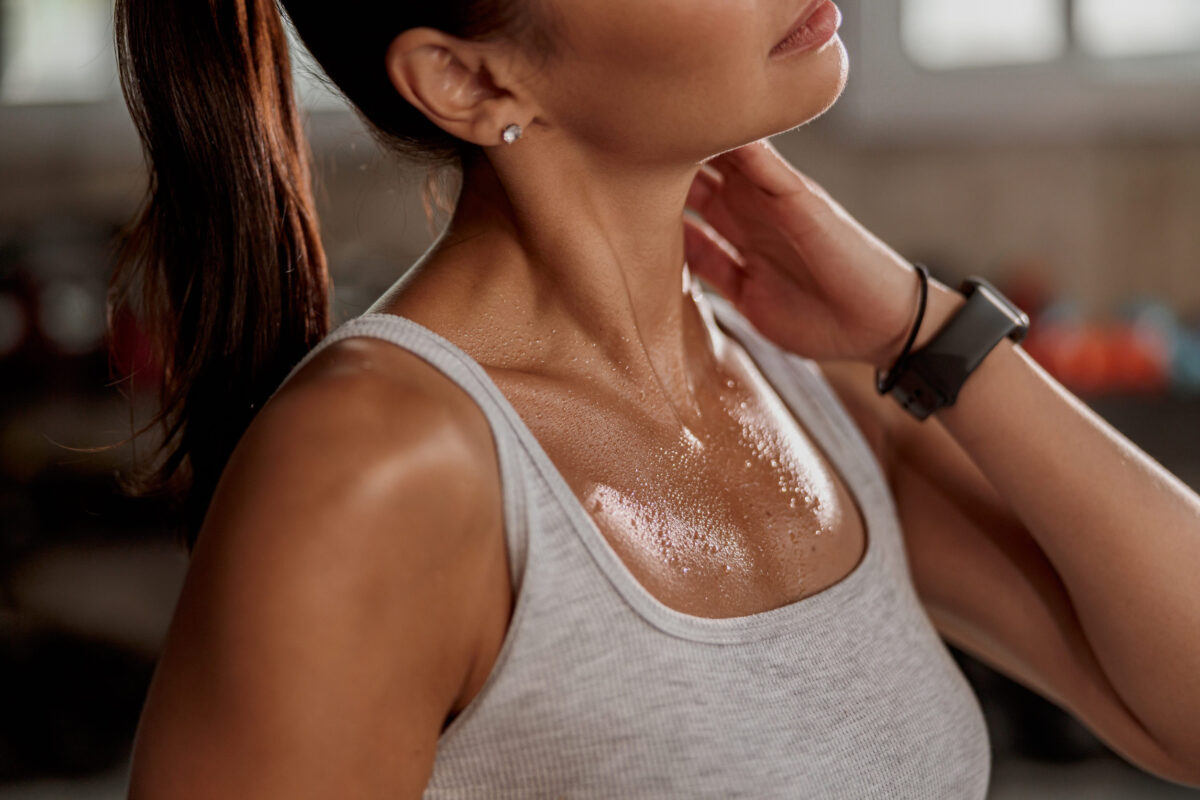
Forcing yourself through intense workouts when your body is already protesting can make cramps, fatigue, and nausea worse. Gentle movement, like walking, stretching, or yoga, can be beneficial, but ignoring your body’s signals only adds strain. Listening to your energy and adjusting your activity supports your health rather than leaving you exhausted.
Ignoring Severe Pain or Unusual Bleeding
Pain that prevents normal activities, very heavy bleeding, bleeding between periods, or sudden changes in your cycle should not be ignored. Conditions such as endometriosis, fibroids, or hormonal issues may be underlying causes. Tracking your symptoms and consulting a healthcare provider ensures you address problems early rather than tolerating unnecessary suffering.
Having Unprotected Sex During Your Period
Assuming pregnancy or sexually transmitted infections cannot happen during your period is risky. While conception is less likely for some, sperm can survive for days, and ovulation can vary. Using protection prevents unintended pregnancy and reduces the risk of infections, keeping your body safer and your mind more at ease.
Forgetting Hand Hygiene During Product Changes
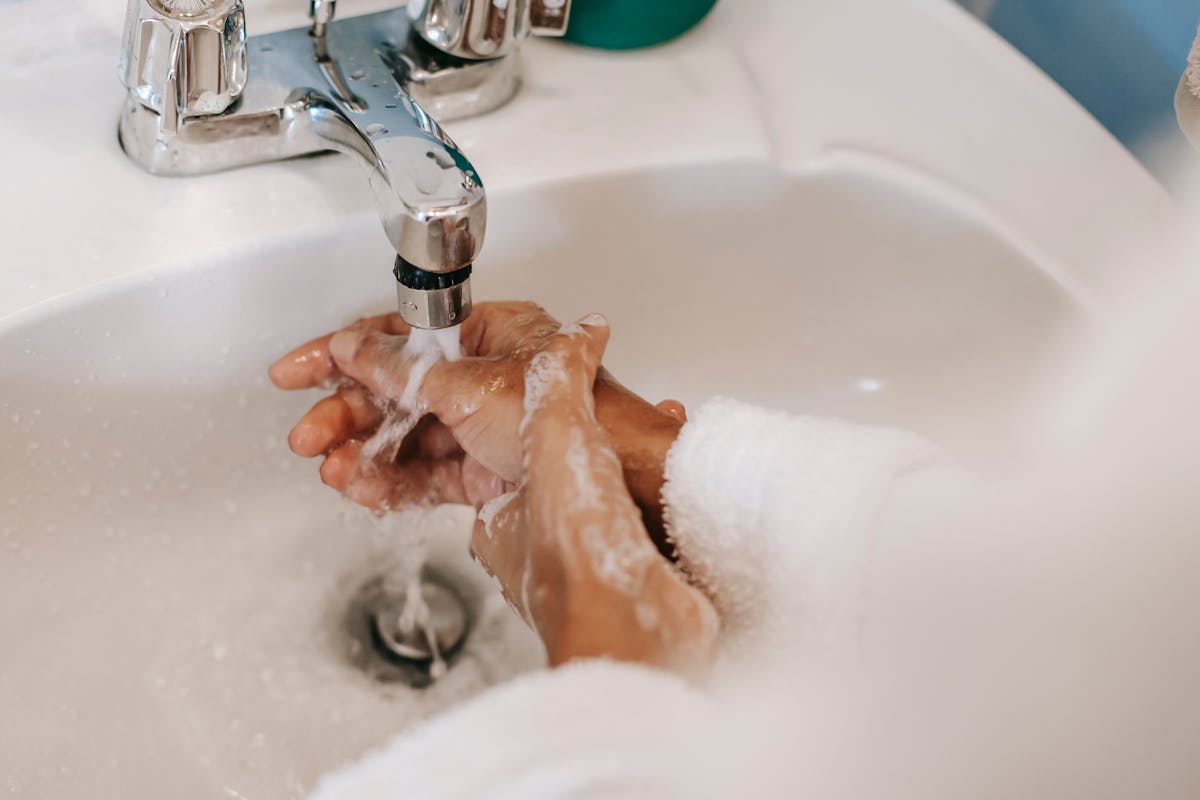
Even simple habits like washing your hands before and after changing period products make a big difference. Hands come into contact with surfaces all day, and skipping this step can spread bacteria that irritate the skin or lead to infection. Small hygiene habits can prevent complications that make an already difficult period worse.
Periods are not meant to be battles between you and your body. You do not need perfect rules to survive them, but you do need smart habits that protect your comfort and well-being. Changing products regularly, avoiding scented products, drinking enough water, eating appropriately, moving gently, and taking severe symptoms seriously can all help your cycle feel less overwhelming. Your body is already doing a lot each month, so make the days as manageable as possible.


