8 U.S. Places Where Gas Prices Still Don’t Feel Like a Wallet Attack
Gas prices have become one of those everyday expenses that can ruin a mood before the day even begins. You pull into a station, glance at the sign, and suddenly that quick errand feels like a financial decision. For many drivers, the pump has become a tiny scoreboard showing how much breathing room remains in the weekly budget.
Still, not every part of America hits drivers with the same pain. Some states continue to feel noticeably softer on the wallet because of refinery access, regional competition, lower operating costs, and tax structures that do not punish every gallon as harshly. These eight places stand out because filling up there can feel less like surrender and more like a small win.
Indiana
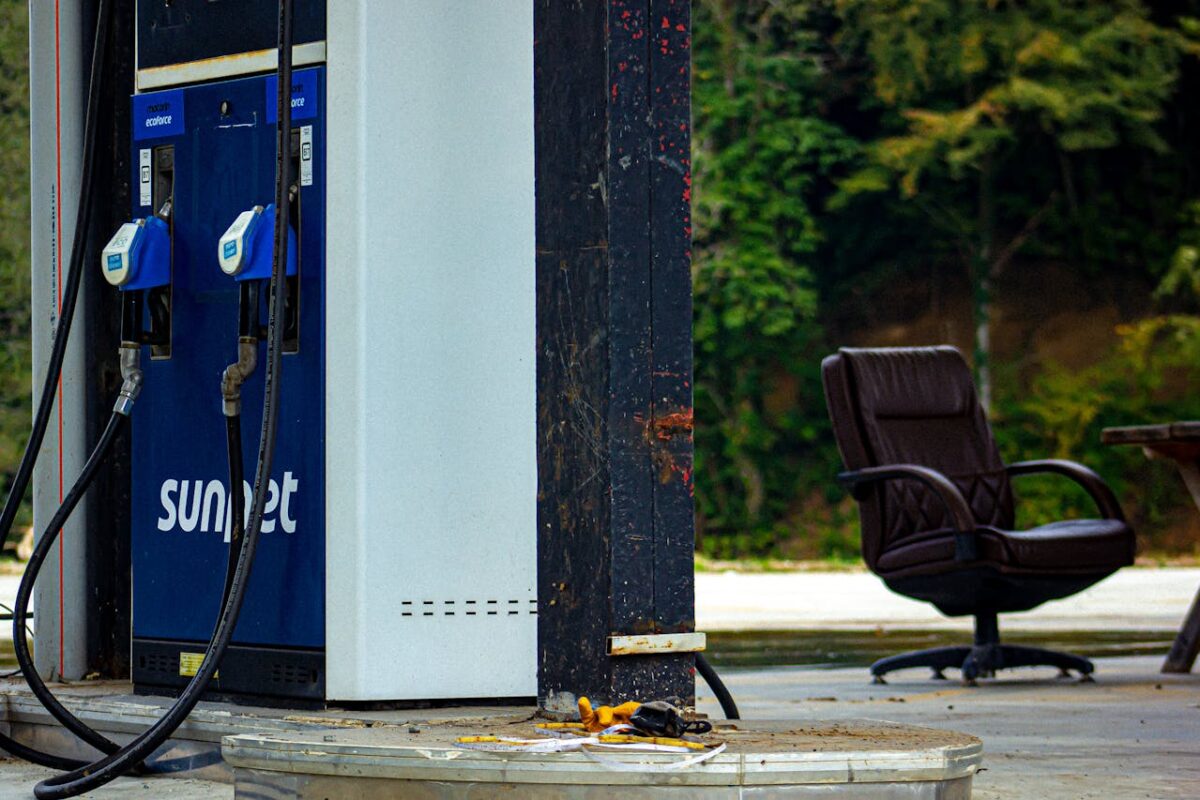
Indiana has quietly become one of the better places to fill a tank without feeling completely robbed. Its central location gives it a strong transportation advantage, especially because fuel can move through the region without the extreme shipping costs that often hit coastal states. Drivers passing through Indiana often notice that the pump feels friendlier than nearby states with heavier taxes or tighter supply conditions.
The state also benefits from intense competition along highways, commuter corridors, and trucking routes. Gas stations cannot push prices too far when drivers have plenty of nearby options, and mobile apps make price shopping effortless. That pressure helps Indiana feel like one of those rare places where road trips, work commutes, and daily errands do not punish the budget quite as brutally.
Oklahoma
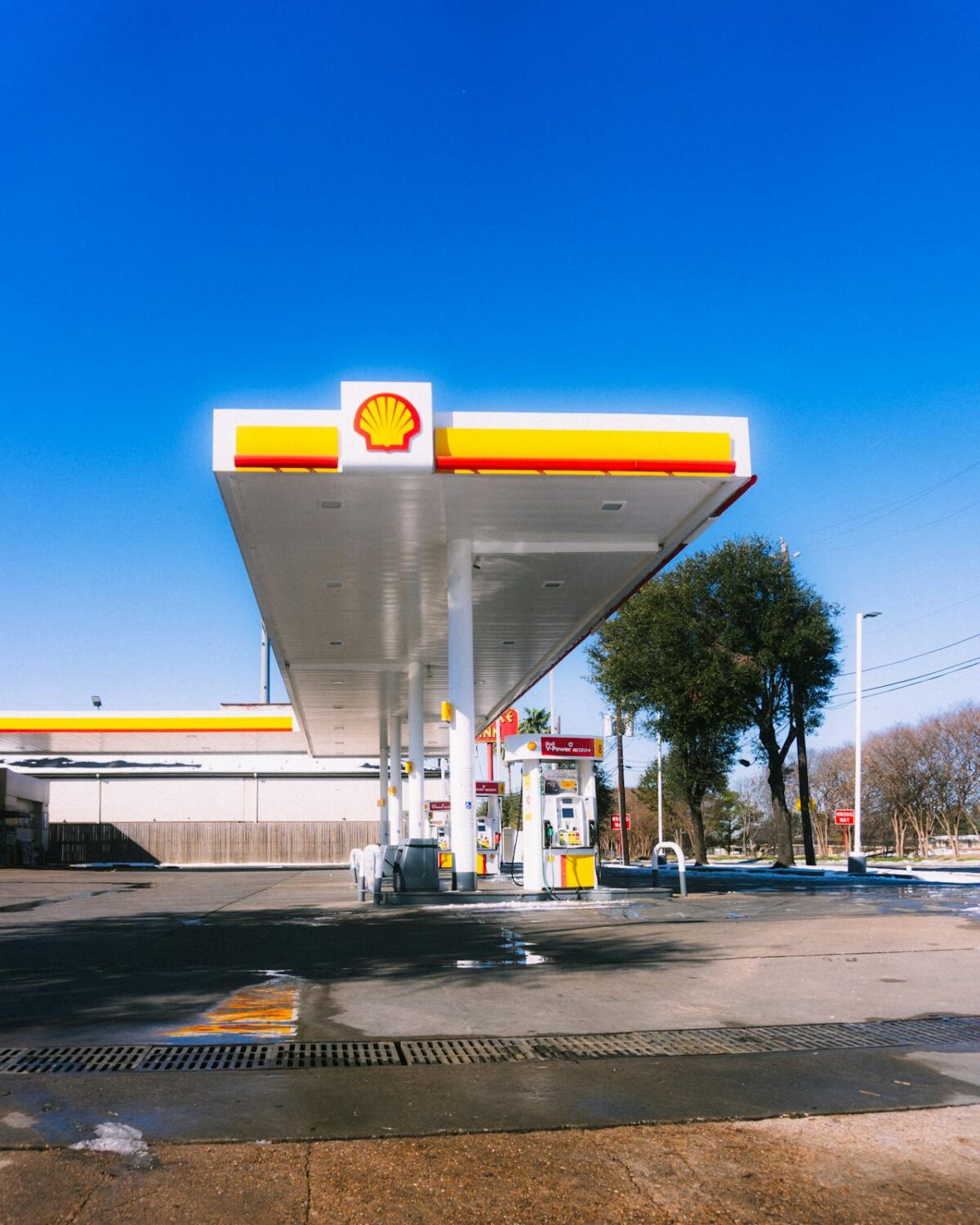
Oklahoma has long carried a reputation as a state where gasoline prices tend to stay grounded. Its energy ties matter, but so does geography. The state sits in a region with easier access to fuel supply chains, lower distribution stress, and enough competition to keep prices from floating too high for too long.
For drivers, it creates a sense of relief, both financial and emotional. A full tank still costs money, of course, but the number on the pump usually feels less shocking than what travelers see in many western or northeastern states. Oklahoma is the kind of place where a long drive across open roads does not automatically trigger the same level of fuel anxiety.
Texas
Texas has one massive advantage that most states would love to have: deep ties to the Gulf Coast energy system. Refineries, pipelines, storage facilities, and constant fuel movement all help keep the state more competitive than many parts of the country. In a place where distances are huge, and driving is part of everyday life, that matters.
Competition also plays a major role. Texas drivers can choose from big chains, warehouse clubs, travel centers, and local stations, all competing for attention. That pressure helps keep fuel prices from feeling completely out of control, especially in areas where commuters, families, and truckers all depend on affordable gas to keep life moving.
Georgia
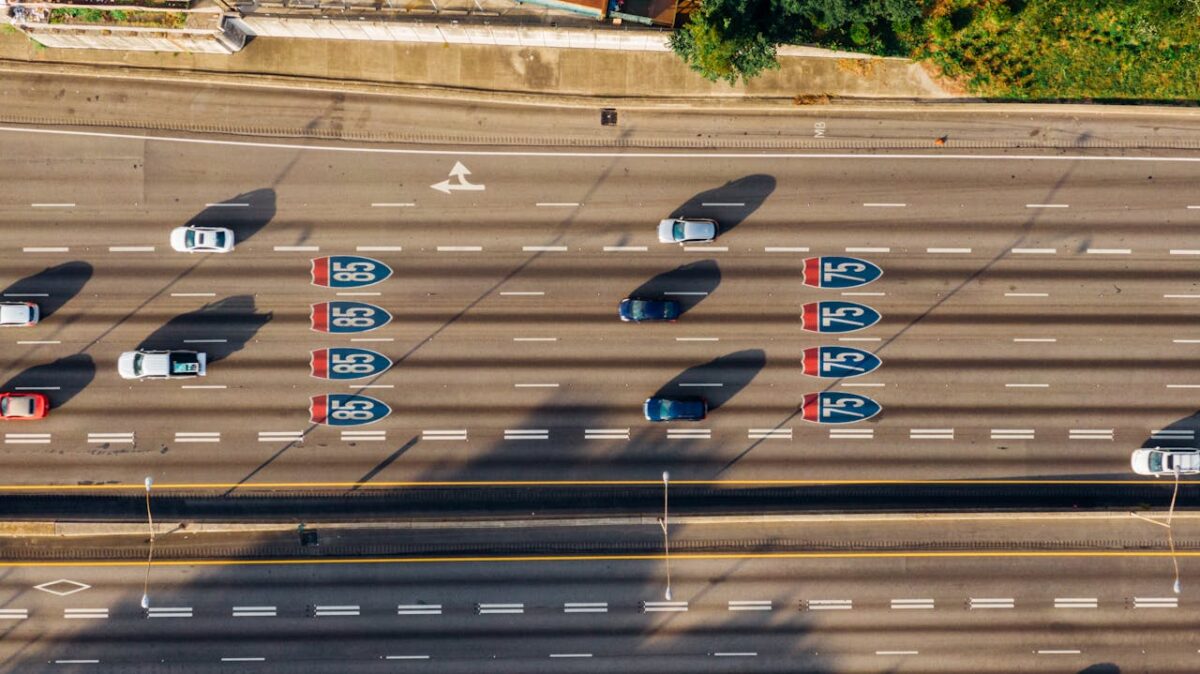
Georgia often feels like a surprising bright spot for drivers because it blends major travel routes with aggressive fuel competition. Atlanta traffic may test anyone’s patience, but across the state, gas stations fight hard for customers moving through busy interstates, suburban corridors, and smaller towns. That kind of pressure can make pump prices feel more forgiving.
The state’s location also helps. Georgia sits near major southeastern supply routes, which can reduce transportation costs that make fuel pricier elsewhere. For families driving to work, school, church, shopping centers, or weekend trips, even a modest difference per gallon can soften the blow across a month of repeated fill-ups.
Louisiana
Louisiana has a built-in fuel advantage because of its connection to the Gulf Coast refining network. The state is close to major energy infrastructure, which can help lower some of the costs tied to getting gasoline from production and storage areas to local stations. That proximity gives drivers a practical benefit whenever prices rise nationwide.
There is also a cultural reality here: Louisiana is a driving state. Between rural roads, small towns, industrial corridors, and interstate travel, residents depend heavily on vehicles. When gas prices stay more manageable, it affects more than vacations. It helps workers, families, small businesses, and delivery drivers keep daily life from becoming even more expensive.
Mississippi
Mississippi is one of those states where lower fuel prices can feel like part of the broader cost-of-living story. Many communities are spread out, and people often drive long distances for work, school, medical care, groceries, and family visits. Cheaper gas does not solve every household pressure, but it can make those necessary miles less painful.
The state also benefits from relatively favorable regional supply conditions. Being part of the lower-cost Southeast helps Mississippi avoid some of the sharper price spikes seen in states with stricter fuel rules, heavier taxes, or more expensive distribution networks. For drivers watching every dollar, that difference can feel like a quiet form of relief.
South Carolina
South Carolina has become a useful stop for drivers who know how quickly prices can change across state lines. Its position along major travel corridors gives gas stations a strong reason to stay competitive, especially with tourists, commuters, and long-haul drivers constantly moving through. When stations compete, drivers often get a better shot at reasonable prices.
The state also sits in a region where fuel supply routes are generally kinder than in many coastal and western markets. That helps make everyday driving feel a little less punishing. For road trippers heading toward beaches, small towns, or family destinations, South Carolina can feel like a place where the pump does not completely ambush the vacation budget.
Kansas
Kansas may not always get attention in national travel conversations, but it deserves a place in any discussion about states where gas prices feel less vicious. Its central location helps with distribution, and its highway network keeps plenty of drivers moving through. That steady demand encourages station owners to compete rather than coast.
For residents, the benefit is simple: driving feels more manageable. Kansas has plenty of open space, which means people often need cars for nearly everything. When fuel prices stay below the national pressure point, households have a little more room to cover groceries, repairs, insurance, and other costs that come with life on the road.