7 Risky Food Avoidance Habits That Could Make Anemia Worse
Anemia can quietly drain energy, leaving people feeling exhausted, dizzy, and weak before they notice the underlying issue. Many assume the solution is simply taking iron supplements or resting more, but what we choose to eat or avoid can make a massive difference.
Removing certain foods without planning can worsen anemia by depriving the body of essential nutrients needed to make healthy red blood cells. Food avoidance is common. People skip red meat for health, eggs for cholesterol concerns, or beans for digestive discomfort.
These choices, while well-intentioned, can reduce intake of iron, vitamin B12, folate, protein, and vitamin C, nutrients crucial for combating anemia. Understanding which foods impact blood health helps us make smarter choices and prevent nutrient gaps.
Red Meat
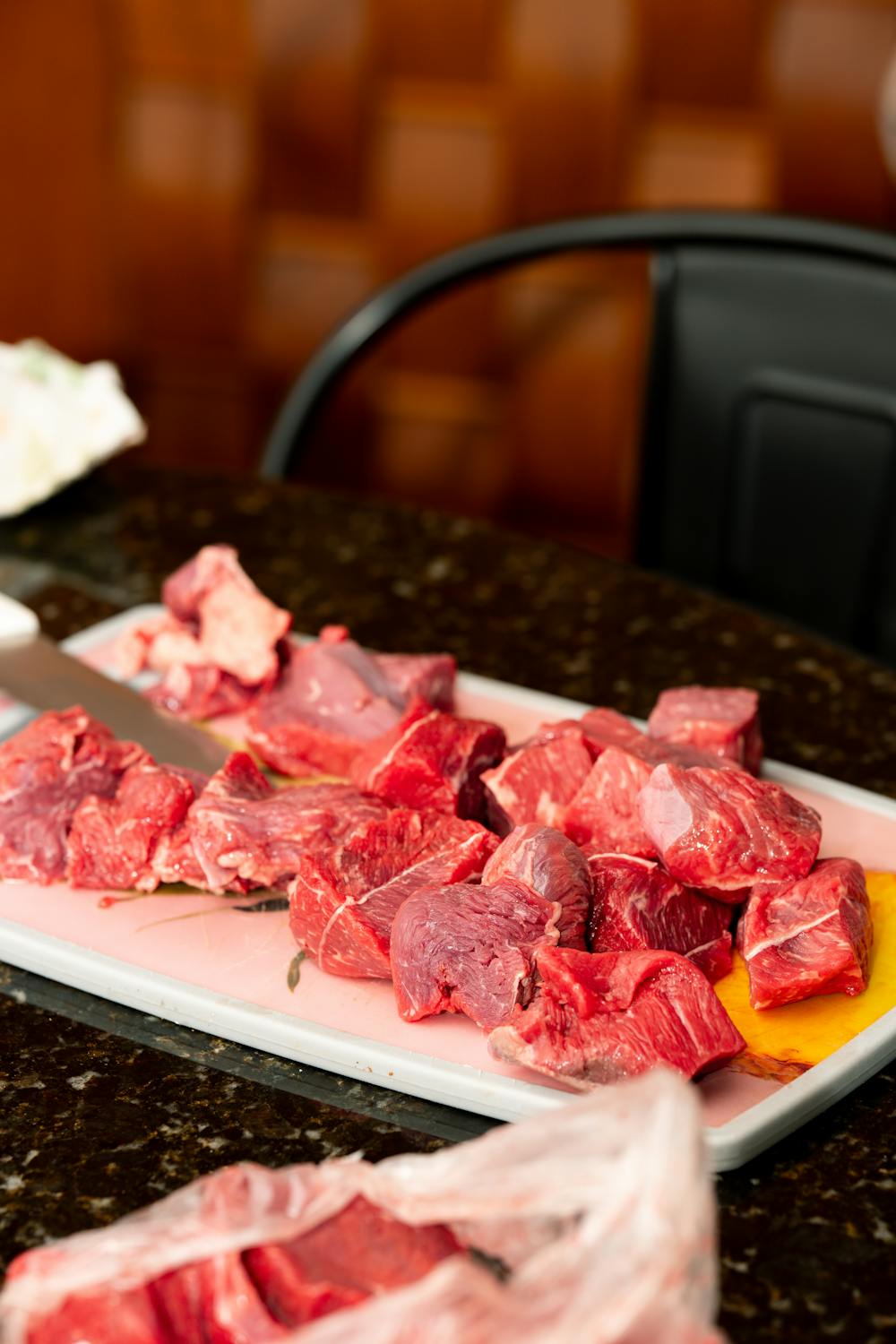
Red meat is often avoided because of concerns about fat, cholesterol, and long-term health risks. That avoidance can hurt people with anemia because red meat is rich in heme iron, the form of iron the body absorbs most efficiently. Without it, iron intake can drop, making it harder to produce enough healthy red blood cells.
Lean cuts of beef, lamb, or liver provide iron, vitamin B12, and zinc in a single serving. People who remove red meat must replace its nutrients with poultry, fish, beans, lentils, fortified cereals, or plant-based iron sources paired with vitamin C to enhance absorption. The issue is not red meat itself, but removing it without compensating elsewhere in the diet.
Eggs
Eggs are often skipped due to outdated cholesterol concerns or personal taste preferences. That habit can reduce intake of vitamin B12, folate, protein, and choline, all of which support red blood cell production. Skipping eggs eliminates a simple, nutrient-dense food that can be used in multiple meals.
Adding eggs back into meals is simple: a breakfast omelet with vegetables, boiled eggs in salads, or poached eggs with toast can deliver essential nutrients efficiently. For those avoiding eggs for health reasons, fortified alternatives or careful planning can help prevent deficiencies while maintaining a balanced diet.
Leafy Greens
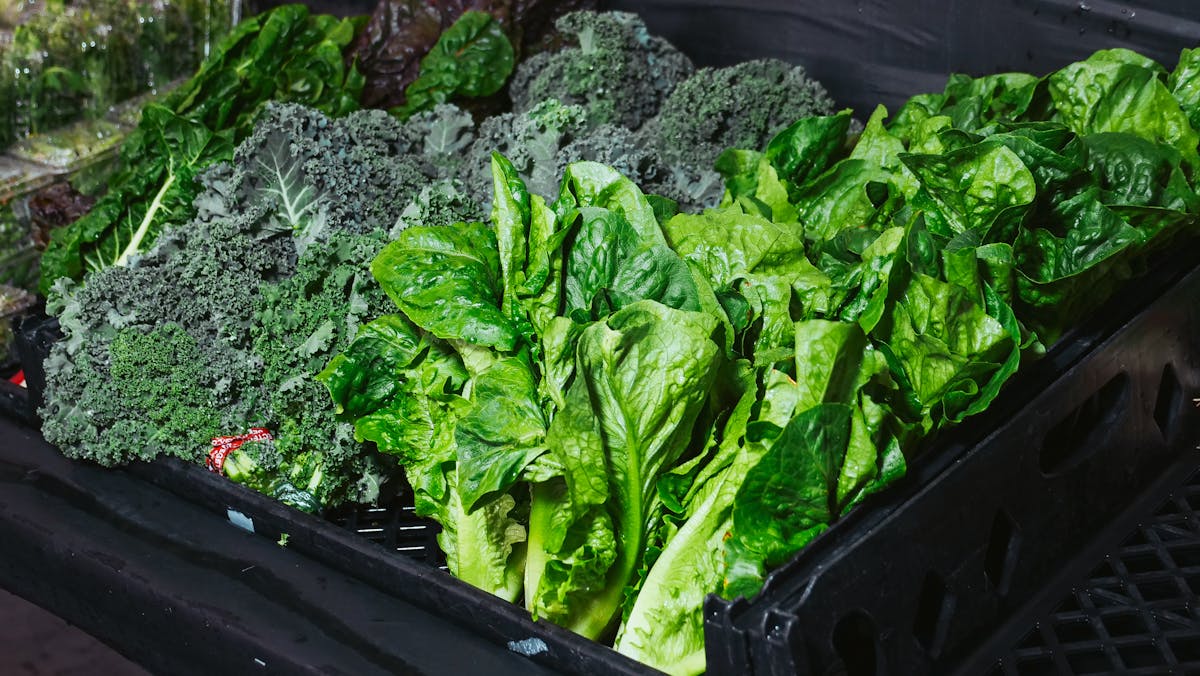
Leafy greens like spinach, kale, and collard greens are sometimes avoided for taste or preparation concerns. Avoiding these foods can reduce folate intake, a B vitamin necessary for DNA synthesis in red blood cells. Even a small reduction in folate can slow the body’s ability to produce healthy blood cells, especially in people already at risk of anemia.
Pairing greens with vitamin C-rich foods such as peppers or tomatoes improves nonheme iron absorption. Cooking greens can reduce bitterness and make them easier to consume in larger portions. Skipping greens entirely removes a critical source of folate and iron, making anemia worse over time.
Beans and Lentils
Beans and lentils are avoided due to concerns about gas, bloating, or carbohydrates. That avoidance can limit intake of nonheme iron, folate, protein, and minerals that support red blood cell production. For vegetarians or people who eat little meat, beans and lentils are vital sources of iron.
Proper preparation soaking, rinsing, and thorough cooking- can reduce digestive discomfort. Pairing beans with vitamin C-rich foods enhances iron absorption. Eliminating them without suitable alternatives deprives the body of crucial nutrients, increasing fatigue and slowing recovery from anemia.
Fish and Seafood

Fish and seafood are often skipped due to expense, strong flavor, or cooking difficulty. That avoidance can remove sources of vitamin B12, heme iron, and protein, nutrients important for blood health. Shellfish like clams, oysters, and mussels are especially rich in these nutrients, making them powerful tools against anemia.
Affordable options such as canned sardines, tuna, and salmon offer similar benefits. Including fish in salads, stews, or omelets ensures the diet maintains adequate B12 and iron. Removing seafood without supplementation can lead to deficiencies that exacerbate anemia symptoms.
Fortified Grains
Many people avoid cereals, bread, pasta, and rice due to perceived risks associated with carbohydrates. Avoiding fortified grains can remove added iron and folic acid, nutrients essential for red blood cell formation. Fortified grains act as a safety net for people who struggle to meet daily iron and folate needs through whole foods alone.
Choosing cereals and breads with better nutrition profiles, low sugar, and added vitamins can help fill gaps. Removing all fortified grains without a replacement may leave the body nutrient-deficient, making anemia harder to manage.
Vitamin C Foods

Citrus fruits, bell peppers, tomatoes, strawberries, and kiwi are sometimes avoided due to sugar, acidity, or digestive concerns. That avoidance can reduce vitamin C, which is essential for enhancing the absorption of nonheme iron. Without vitamin C, plant-based iron sources like beans and greens are less effective, slowing red blood cell production.
Incorporating lemon juice, fresh tomatoes, or vitamin C-rich fruits into meals can dramatically improve iron absorption. Even gentle sources like broccoli, cabbage, or melon can support iron absorption. Avoiding vitamin C-rich foods reduces the effectiveness of other iron-rich meals, worsening anemia.
Conclusion
Anemia is a complex condition that requires more than just supplements. Food choices, especially avoided foods, can either support recovery or worsen symptoms. Avoiding red meat, eggs, leafy greens, beans, seafood, fortified grains, and vitamin C-rich foods without planning replacements can leave the body without critical nutrients needed to produce healthy red blood cells.
The solution is not to force every food, but to avoid fear-based restrictions. Smart dietary planning ensures adequate intake of iron, folate, vitamin B12, protein, and vitamin C while respecting personal preferences and medical advice.
Persistent fatigue, dizziness, pale skin, or shortness of breath requires medical attention, and diet should complement, not replace, diagnosis and treatment. A careful, nutrient-focused approach prevents anemia from worsening and strengthens overall health.