8 Terrifying Consequences of the U.S.-Iran Standoff Nobody Wants to Admit
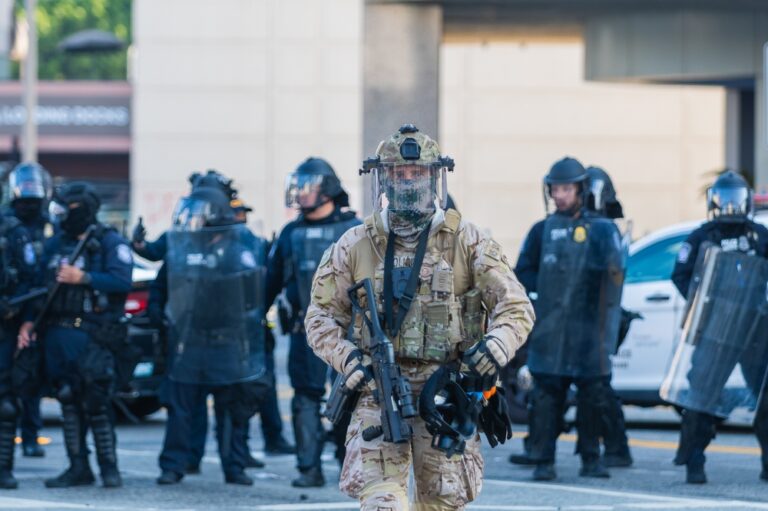
The U.S.-Iran standoff is not just a political squabble—it is a ticking global time bomb. While headlines focus on military posturing and sanctions, the most devastating effects are silent, creeping, and ignored. Entire economies, civilian populations, and regional stability are at risk of collapsing under the weight of this confrontation. The world may be on the brink of consequences so catastrophic that they could reshape international relations for decades.
Every escalation, threat, and retaliation carries repercussions that extend far beyond Tehran and Washington. These hidden outcomes are rarely discussed, but they ripple across energy markets, supply chains, cyber networks, and humanitarian systems, leaving nations scrambling to adapt. Understanding these silent yet deadly consequences is essential for anyone concerned with global security and economic stability.
Global Energy Markets on the Edge of Collapse
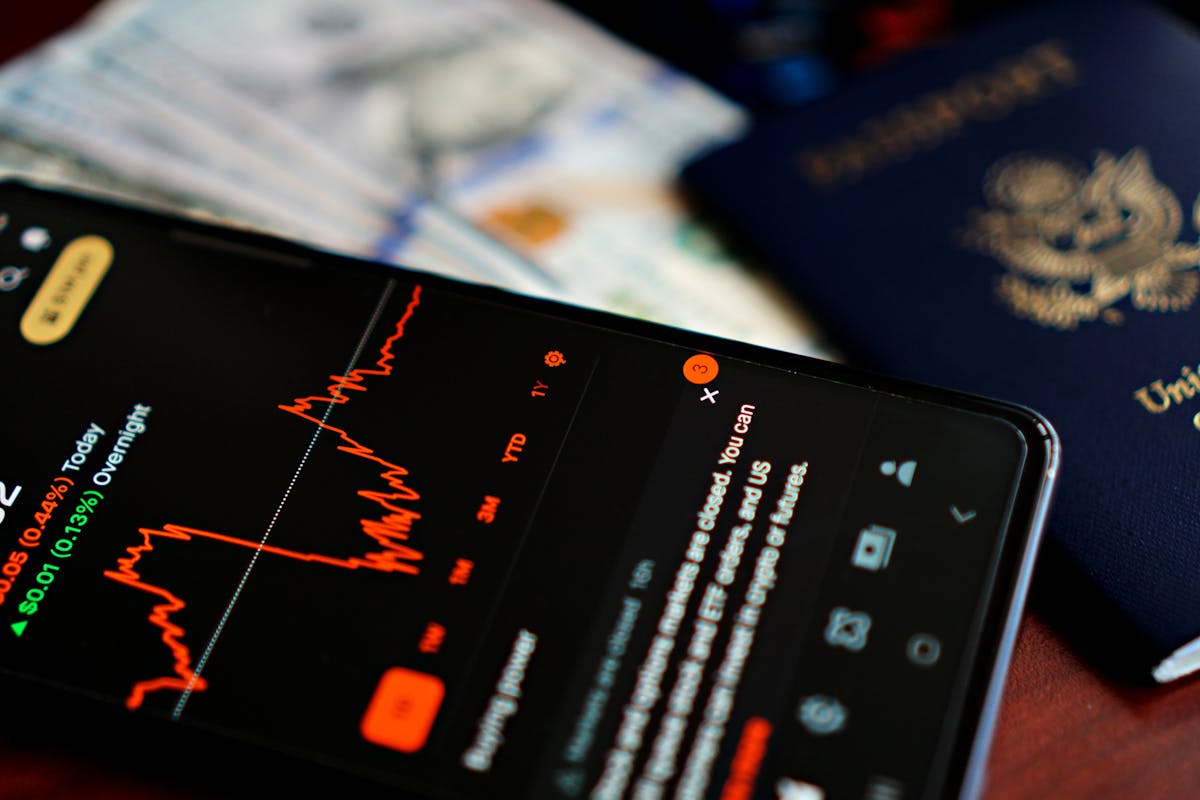
Iran controls strategic oil reserves and key shipping routes, including the Strait of Hormuz, through which roughly a fifth of the world’s oil passes. Any escalation threatens to disrupt global oil supply, triggering price spikes that could destabilize entire economies. Even minor incidents, such as naval skirmishes or tanker seizures, create panic in energy markets and send crude oil prices soaring.
Nations dependent on imports, including Japan, India, and much of Europe, face sudden increases in transportation and production costs. These surges ripple through food, manufacturing, and commodity markets, intensifying inflation and economic uncertainty. The silent toll on global energy security is immense, threatening both consumer stability and geopolitical balance.
Supply Chain Chaos Across Industries
Sanctions, trade restrictions, and regional instability create cascading effects across global supply chains. Raw materials from Iran, logistical corridors in the Gulf, and shipping insurance costs all fluctuate unpredictably. Industries ranging from electronics to automotive and pharmaceuticals experience delays, shortages, and price volatility.
Manufacturers reliant on just-in-time production face immediate disruption. Companies are forced to reroute supply chains or absorb losses, often at the expense of consumers. These hidden economic shocks undermine global trade resilience and generate long-term uncertainty for international businesses.
Proxy Conflicts Intensifying in the Middle East
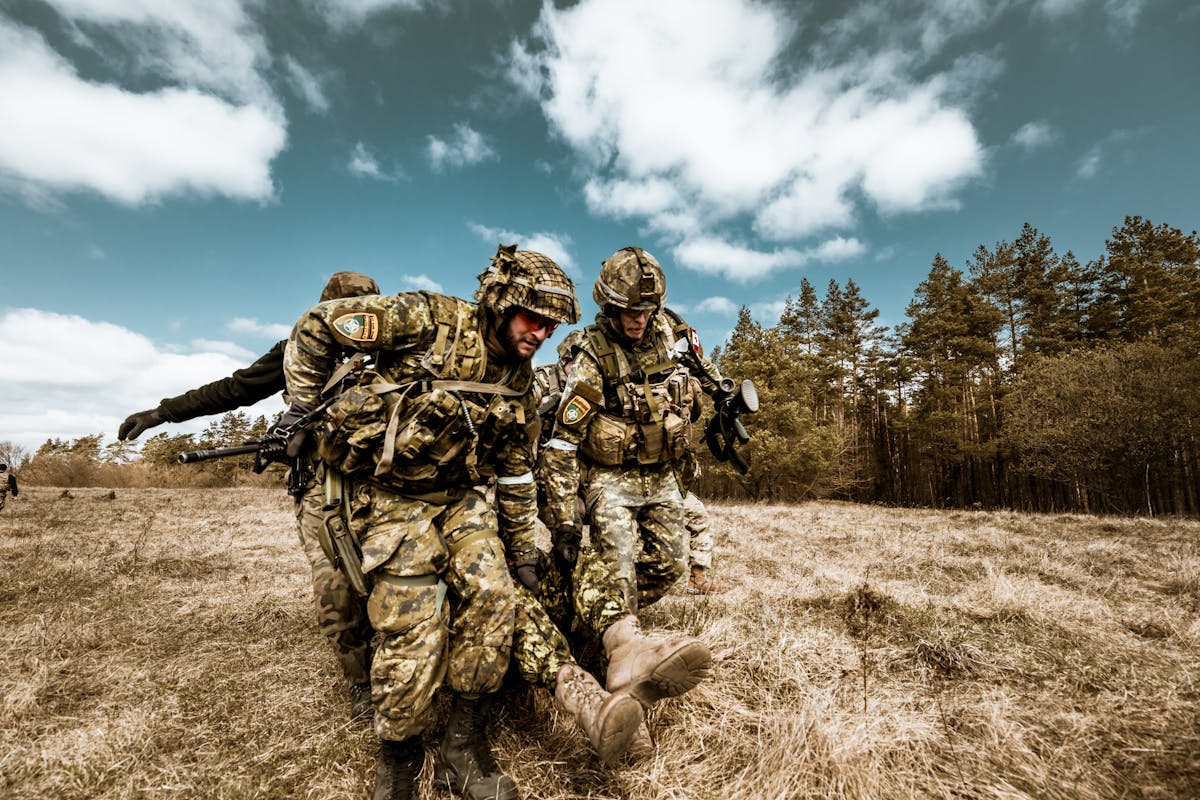
The standoff fuels proxy battles across Syria, Iraq, Yemen, and Lebanon. Iran’s support for regional militias and political groups triggers counteractions by the U.S. and allied forces, escalating conflicts without direct confrontation. These proxy wars cause civilian casualties, displacement, and destabilization of governments across the region.
Neighboring states bear the consequences, managing refugee crises, disrupted economies, and political pressure. These ongoing conflicts prolong instability, creating a cycle of violence that further complicates diplomacy and regional security.
Cyberattacks Becoming Invisible Weapons
Cyber warfare is a growing but largely invisible dimension of the U.S.-Iran standoff. Both nations possess advanced capabilities to infiltrate critical infrastructure, financial systems, and communication networks. Unlike conventional attacks, cyber strikes can occur without warning, causing widespread disruption to power grids, banking systems, and supply networks.
Global corporations and governments face the constant risk of digital sabotage. Even minor breaches can escalate,triggering cascading failures across borders. These attacks undermine trust, increase operational costs, and highlight vulnerabilities in a hyperconnected world.
Diplomatic Isolation and Fractured Alliances
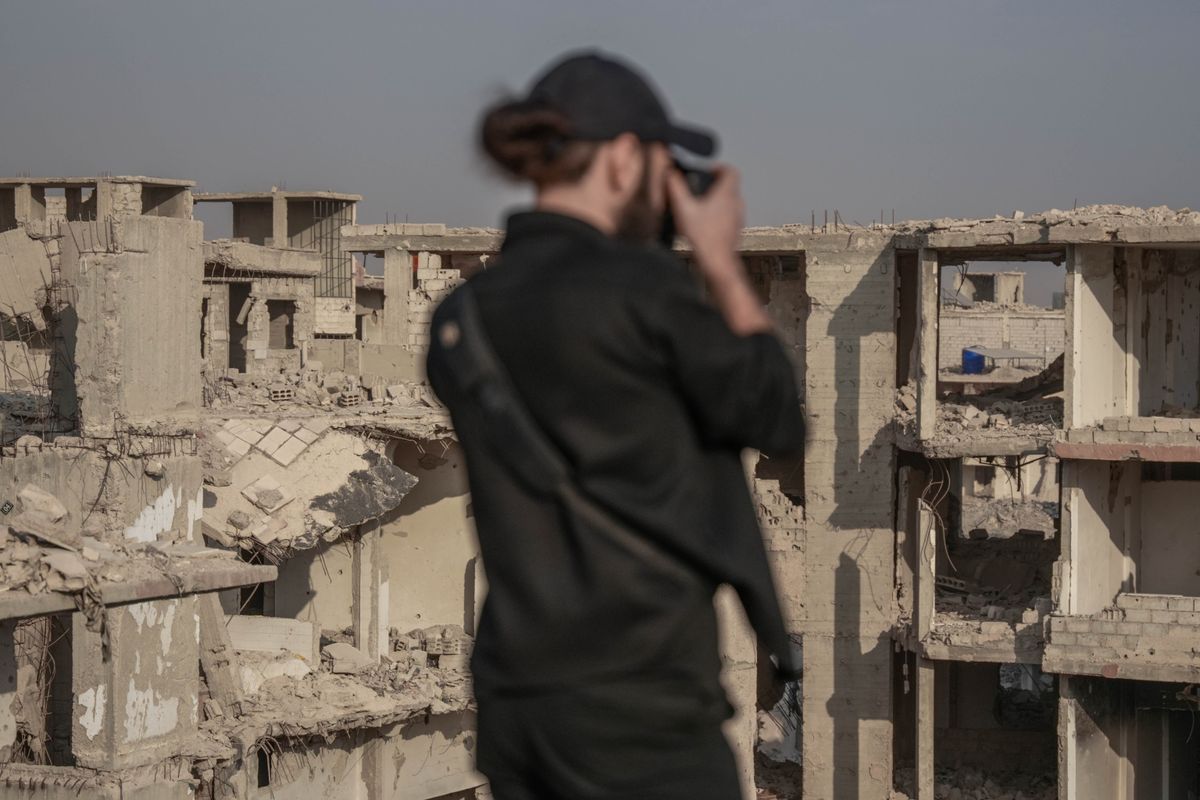
The standoff forces nations to navigate an increasingly polarized landscape. Countries must balance relations with Washington, Tehran, and regional partners, often under threat of sanctions or economic retaliation. This creates tension and uncertainty in international diplomacy, affecting trade agreements, security collaborations, and global negotiations on unrelated issues.
Smaller nations and allies are particularly affected, forced to take sides or risk punitive measures. The broader consequences include weakened multilateral cooperation and long-term strain on international relations, which may persist even after immediate tensions ease.
Humanitarian Crises Escalating in Silence
Sanctions and economic pressure on Iran exacerbate food shortages, medicine scarcity, and strain on healthcare. Civilian populations suffer as inflation and limited access to essential goods reduce the quality of life and heighten social unrest. These humanitarian impacts are often overlooked in global media coverage, yet they affect millions daily.
The indirect consequences extend to neighboring countries, which manage refugee flows and provide emergency support. Persistent economic and social stress undermines regional stability, leaving vulnerable populations exposed to long-term hardship.
Financial Markets Shaken by Uncertainty

Global investors react violently to any hint of escalation. Stock markets, currencies, and commodities fluctuate as uncertainty over the standoff spreads. Financial instability affects pensions, investment funds, and international trade agreements. The ripple effect is felt worldwide, creating insecurity for businesses and individuals who rely on predictable markets.
Even rumors of confrontation trigger sell-offs, hedging, and risk-aversion strategies that slow economic growth. Financial uncertainty is a hidden yet powerful weapon, capable of undermining economies without a single missile being fired.
Energy and Food Security Threatened
Beyond oil, the standoff jeopardizes the export of essential commodities, including natural gas, wheat, and critical raw materials. Any disruption can trigger shortages, higher prices, and rationing, particularly in countries reliant on imports. Food security becomes precarious, affecting vulnerable populations and global trade stability.
The cascading effects on energy and food systems amplify economic strain and heighten the potential for social unrest. These silent threats highlight the far-reaching consequences of geopolitical tension, even for nations geographically distant from the conflict.
Conclusion
The U.S.-Iran standoff carries hidden consequences that extend far beyond immediate military and diplomatic concerns. Global energy market volatility, supply chain chaos, intensified proxy conflicts, invisible cyberattacks, fractured alliances, escalating humanitarian crises, financial market instability, and threats to energy and food security represent the unspoken dangers shaping the world today.
Recognizing these indirect but severe impacts is essential for policymakers, businesses, and global observers to prepare, adapt, and mitigate risks in an increasingly fragile international landscape.