9 Hidden Reasons Your Teeth Are Falling Out and How to Stop It
Losing teeth is often thought of as an inevitable part of aging, but the truth is that tooth loss can signal serious health issues that many people overlook. Subtle warning signs like sensitive gums, frequent bleeding, or loose teeth often go unnoticed until the problem becomes severe. Understanding the hidden causes can help you protect your smile before it’s too late.
From lifestyle habits to underlying medical conditions, a range of factors can silently weaken your teeth. Recognizing these threats early allows you to take practical steps to preserve your dental health and overall well-being. Here are the nine most overlooked reasons teeth fall out and what you can do to prevent them.
Gum Disease Is Silently Eating Away at Your Teeth

Gum disease is the leading cause of adult tooth loss. Plaque buildup along the gumline triggers inflammation, bleeding, and eventually the destruction of the bone that supports your teeth. Gingivitis may start small, but if left untreated, it can progress to periodontitis, loosening teeth, and leading to permanent loss.
Daily flossing, using fluoride toothpaste, and regular dental checkups are essential to prevent gum disease from advancing. Avoiding tobacco products also helps maintain blood flow to the gums and supports their healing. Early treatment can stop damage in its tracks, keeping teeth firmly anchored.
Medications Can Cause Dangerous Dry Mouth
Many common medications, including antihistamines, antidepressants, and blood pressure drugs, reduce saliva flow. Saliva protects teeth by neutralizing acids and washing away bacteria. Chronic dry mouth accelerates plaque buildup and increases tooth vulnerability.
Hydrating often, using sugar-free gum, and saliva-stimulating products help counteract dryness. Consulting a doctor about alternative medications can also help preserve oral health.
Stress and Teeth Grinding Cause Hidden Damage
Chronic stress often leads to bruxism, conscious teeth grinding, which wears down enamel and strains the jaw. Over time, teeth can fracture, gums recede, and roots become exposed. Many people remain unaware of the damage until their teeth start loosening.
Night guards and stress-reduction strategies protect teeth from mechanical wear. Addressing these habits early prevents small issues from becoming permanent tooth loss.
Infections and Trauma Can Strike Suddenly
Dental abscesses and physical injuries can quickly destabilize teeth. Untreated infections destroy bone and gum tissue, while accidents can directly knock teeth out. Immediate professional attention is essential to prevent permanent damage.
Root canals, splinting, or other emergency dental treatments can save teeth if addressed promptly. Being proactive after trauma or infection dramatically improves recovery outcomes.
Tooth Decay Weakens Teeth From the Inside Out
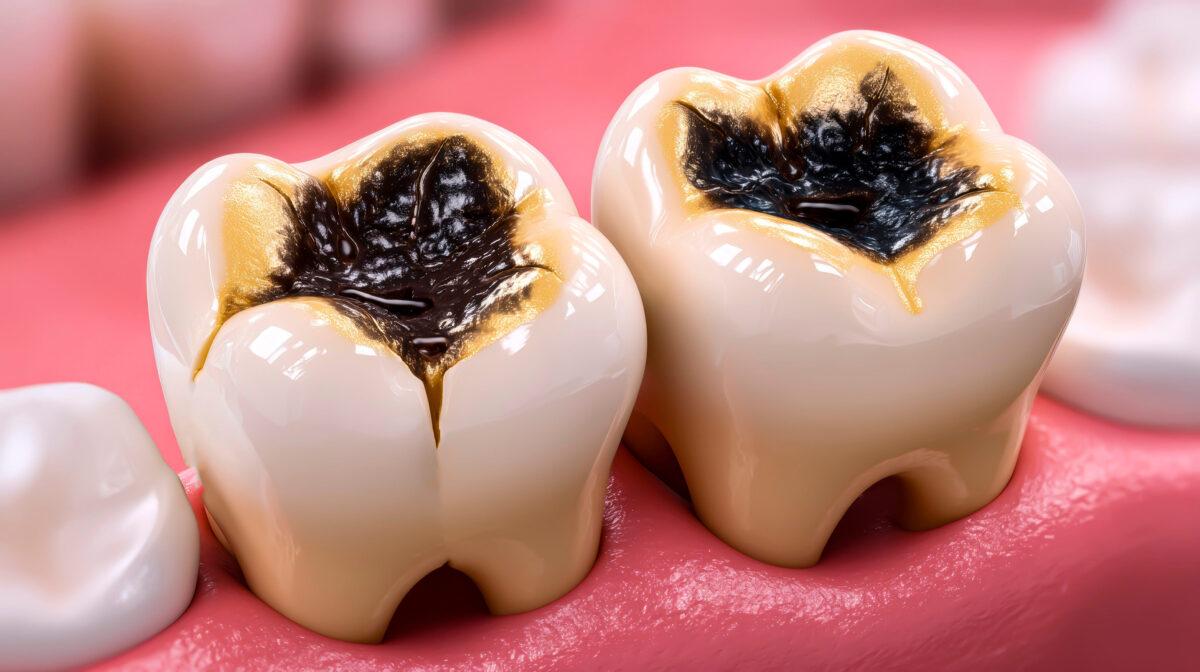
Cavities don’t just cause pain; they compromise the strength of your teeth. Sugars and acids produced by bacteria erode enamel, making teeth brittle and prone to breaking. If decay reaches the inner pulp, infection can set in, often requiring extraction to prevent further complications.
Cutting back on sugary foods and drinks, maintaining thorough oral hygiene, and using antibacterial mouth rinses can dramatically reduce the risk of tooth decay. Addressing cavities early means fillings instead of losing teeth, preserving both function and appearance.
Vitamin Deficiencies Leave Teeth Vulnerable
Insufficient intake of calcium, vitamin D, and vitamin C can compromise teeth and gums. Calcium and vitamin D are crucial for strong bones, while vitamin C keeps gums resilient. Without these nutrients, jawbones weaken, gums recede, and teeth become more susceptible to loosening and infection.
Eating dairy, leafy greens, and citrus fruits supports dental strength, while supplements may be necessary for those at risk. Proper nutrition gives teeth and gums the foundation they need to last a lifetime.
Hormonal Changes Can Accelerate Tooth Loss
Women are especially vulnerable during pregnancy, menopause, or their menstrual cycles. Hormonal fluctuations increase gum sensitivity and inflammation, accelerating periodontal issues even when routine oral care is maintained. These subtle shifts can quietly damage oral health over time.
Regular checkups and targeted preventive treatments during hormonal changes protect gums and teeth. Awareness of this connection enables proactive care, preventing problems from escalating.
Chronic Diseases Can Undermine Oral Health
Conditions like diabetes, cardiovascular disease, and autoimmune disorders have a profound impact on teeth. High blood sugar fosters bacterial growth, while autoimmune disorders reduce saliva, diminishing natural protection against decay. Over time, these diseases increase the risk of gum disease and tooth loss.
Managing systemic conditions alongside dental care is critical. Coordinated care between doctors and dentists ensures teeth remain strong even in the presence of chronic illness.
Smoking and Tobacco Destroy Gum Support

Tobacco impairs blood flow to the gums and weakens the immune response, making the gums more prone to infection and slower to heal. Smokers face a significantly higher risk of tooth loss compared with non-smokers, with long-term damage often going unnoticed until teeth loosen.
Quitting tobacco and seeking professional dental care can reverse early damage and strengthen gums. Awareness of this risk is crucial for maintaining a lasting smile.
Conclusion
Tooth loss is rarely caused by a single factor. It often arises from a combination of dental neglect, nutritional gaps, hormonal changes, lifestyle choices, and systemic health issues. Identifying these hidden threats early allows proactive care, preserving teeth and maintaining confidence in your smile.
Regular dental visits, proper nutrition, stress management, and healthy lifestyle choices are critical steps to prevent tooth loss. By staying vigilant and responsive to early warning signs, you can protect your oral health for decades to come.