The One Letter That Sparked a Royal Identity Battle: Why Catherine Kept Her Name
A single letter reportedly created an unexpected moment of tension inside the British Royal Family, and it revealed a much bigger debate about tradition, identity, and how much a person should change when they enter the monarchy.
When Catherine Middleton married Prince William in 2011, the world watched as she stepped into one of the most demanding public roles on earth. Overnight, she became part of the House of Windsor, taking on new responsibilities, new titles, and a future path toward becoming queen.
But according to an account shared by Prince Harry in his memoir Spare, there was one unusual suggestion made behind palace walls: changing the spelling of Catherine’s first name.
The reported proposal was simple: replace the “C” in Catherine with a “K”, creating Katherine instead.
On paper, it appeared to be a minor adjustment.
But for Catherine, the issue was not about a single letter.
It was about keeping a connection to the person she had always been.
The Reported Name Change Proposal Behind Palace Doors
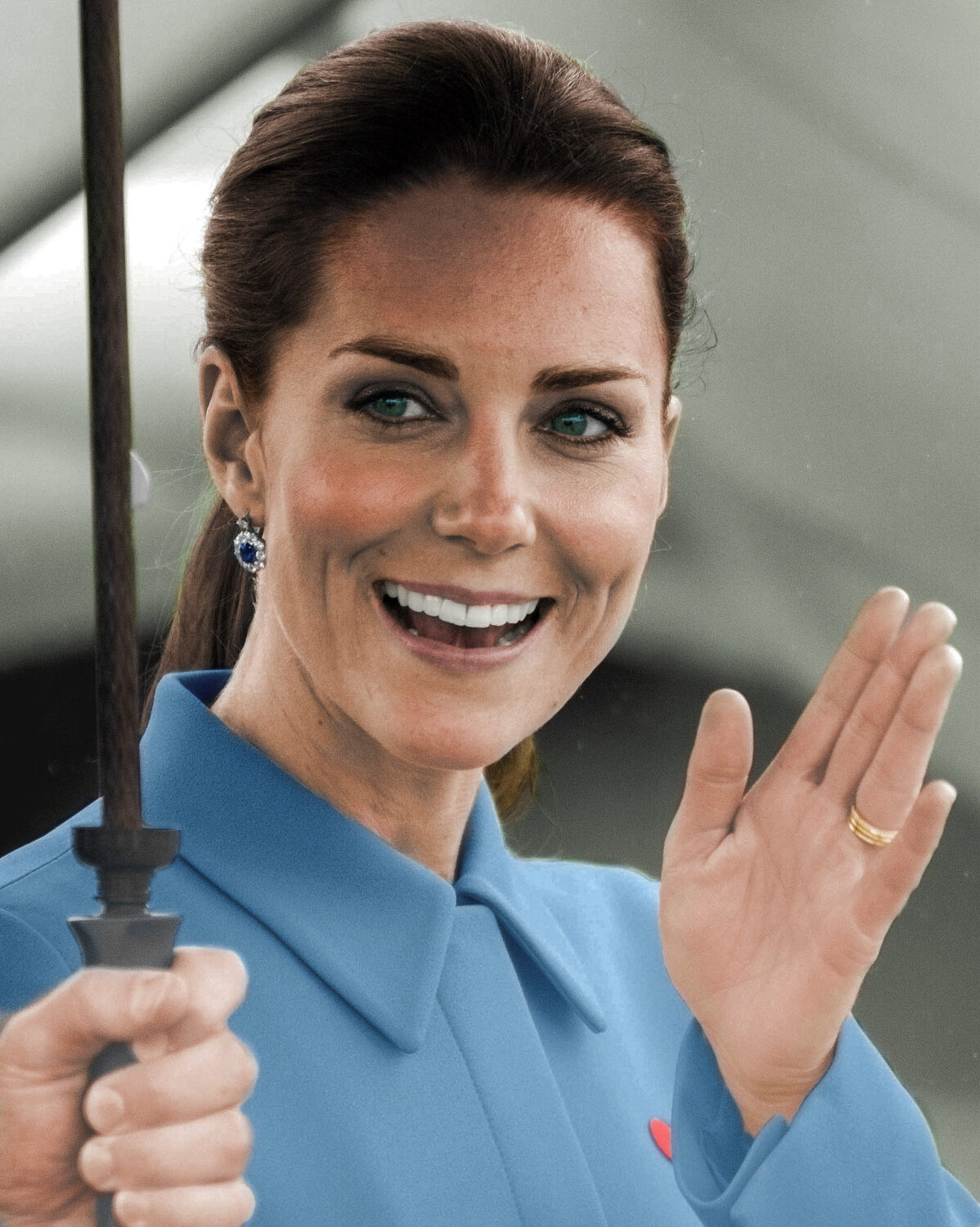
The story gained renewed attention after Prince Harry described the moment in Spare, published in 2023.
According to Harry’s account, King Charles and Queen Camilla reportedly suggested that Catherine consider changing the spelling of her name. The reason was linked to royal presentation: with Charles, Camilla and Catherine all being prominent members of the monarchy, the repeated “C” initials created a potential branding challenge.
The suggested solution was to use Katherine with a K.
The change would have been subtle. The pronunciation would have remained nearly identical, and the public would likely still have recognized her.
However, names are rarely just practical labels.
They represent family, history, and personal identity.
For Catherine, the name was not created by the palace. It was chosen by her parents, Carole and Michael Middleton, decades earlier, when she was born in 1982.
It belonged to her long before she became a royal.
Why Catherine’s Name Meant More Than a Royal Title
Catherine Middleton entered royal life with something unusual: an identity already established outside the monarchy.
Before she became the Princess of Wales, she was a daughter, a student, a friend, and a young woman building her own future.
Her family background differed from that of many previous royal connections. The Middletons were not part of the traditional aristocracy. Instead, they built their own success through business and created a stable family environment for Catherine and her siblings.
That history became part of Catherine’s public appeal.
She represented a more modern route into the monarchy, someone who joined the institution without being born into it.
Changing her name, even slightly, could therefore be viewed as changing a small but meaningful piece of the story that brought her there.
The title Princess of Wales represented her new role.
The name Catherine represented who she had always been.
Prince William’s Reported Reaction Revealed a Modern Royal Divide
The strongest publicly available account of Prince William’s response comes from Harry’s memoir, where he described William’s reaction as having a blank expression after hearing the suggestion.
Later reports claimed William was deeply unhappy with the idea and saw it as unnecessary interference with his wife’s identity.
The exact details of William’s private feelings have not been officially confirmed.
However, the reported disagreement reflects a broader generational divide within the Royal Family.
Traditionally, royal life required individuals to adapt almost completely to the institution. Personal preferences often came second to tradition, ceremony, and public expectations.
William and Catherine have represented a newer approach.
Their public image has focused on partnership, family life, and a more relatable style of royalty. They have often emphasized the importance of maintaining personal connections while carrying out royal duties.
The reported name discussion highlighted that difference:
Should a person entering the monarchy be reshaped by the institution, or should the institution make room for the person?
The “Kate Middleton” Identity That Never Disappeared
Another fascinating part of Catherine’s story is that she has always existed between two identities.
To the world, she remains widely known as Kate Middleton.
That name became famous during her relationship with Prince William, especially after their engagement announcement and 2011 wedding.
Officially, however, she is now Catherine, Princess of Wales.
The difference shows how difficult it is for even the monarchy to completely redefine public identity.
Titles can change.
Official announcements can change.
But public memory is powerful.
Millions of people still search for “Kate Middleton” because that is the woman they first followed, the young woman who entered the public eye before royal titles transformed her life.
The reported “Katherine” proposal would have created a third version of her identity.
Instead, Catherine remained Catherine.
A Royal Tradition of Names, Titles and Reinvention
Names have always mattered within the monarchy.
Royal figures often experience major identity changes throughout their lives.
A prince can become a king.
A duchess can become a princess.
A family name can fall out of official use.
But Catherine’s situation was different.
She was not receiving a new royal identity from scratch.
She was bringing an existing identity into the monarchy.
That distinction explains why a small spelling change became such an interesting story.
The monarchy has always been skilled at creating symbols.
A name is one of the most personal symbols a person has.
The Bigger Meaning Behind Catherine Keeping the “C”

The reported disagreement was never truly about the difference between the two letters.
It was about independence.
It was about whether someone can enter the most traditional institution in Britain while still keeping pieces of their original life.
Catherine has accepted enormous responsibility.
She has taken on royal duties, represented the United Kingdom around the world, and prepared for a future as queen.
Yet she has also maintained connections to her upbringing, her family, and the identity she carried before marriage.
Keeping the original spelling of her name became a quiet reminder that joining the Royal Family did not mean completely disappearing into it.
The One Letter That Told a Much Bigger Story
The reported debate over Catherine’s name became memorable because it represented something far larger than a spelling issue.
It highlighted the tension between royal tradition and personal identity.
The monarchy can give someone a title.
It can give someone a position.
It can place someone at the center of history.
But there are certain things that belong to the individual.
For Catherine, that was her name.
The palace could call her princess.
The world could call her Kate.
But the woman herself remained Catherine,e the name chosen by her parents and the identity she carried into the royal family.
One letter stayed exactly where it had always been.