8 Weight Loss Killers Hiding In Your Daily Diet
Many people believe they are eating healthily, yet hidden in everyday meals are foods and habits that silently sabotage weight loss efforts. Even with regular exercise, these hidden pitfalls can prevent results, making it frustrating for anyone trying to slim down.
From beverages to condiments, snacks, and late-night habits, the daily diet often contains more obstacles than people realize. Understanding these weight loss killers empowers individuals to make smarter choices, control caloric intake, and achieve consistent results. Here are eight weight loss killers hiding in your daily diet in plain sight.
Sugary Drinks Pack Hidden Calories

Beverages such as sodas, sweetened coffees, energy drinks, and even fruit juices are among the biggest hidden threats to weight loss. These drinks contribute empty calories that spike blood sugar, increase insulin levels, and leave you feeling hungrier soon after consumption. Even beverages labeled as “natural” or “vitamin-enhanced” can contain high sugar concentrations, undermining calorie control.
Regular consumption of sugary drinks often adds hundreds of unnecessary calories daily. Replacing sodas and sweetened beverages with water, herbal teas, or sparkling water can drastically reduce caloric intake without sacrificing enjoyment, creating an immediate and measurable impact on weight management.
Hidden Sugars in Condiments and Sauces
Ketchup, salad dressings, marinades, and pre-packaged sauces contain hidden sugars and additives that most people overlook. While a teaspoon may seem minor, daily use across multiple meals can add up, significantly impacting total calorie intake. Many low-fat or “light” versions compensate for reduced fat with additional sugar, nullifying potential benefits.
Switching to mustard, salsa, or homemade sauces reduces hidden sugar while maintaining flavor. Reading labels and measuring portion sizes are crucial to preventing inadvertent sabotage of weight-loss goals with these everyday additions.
Refined Carbs Cause Energy Spikes and Cravings
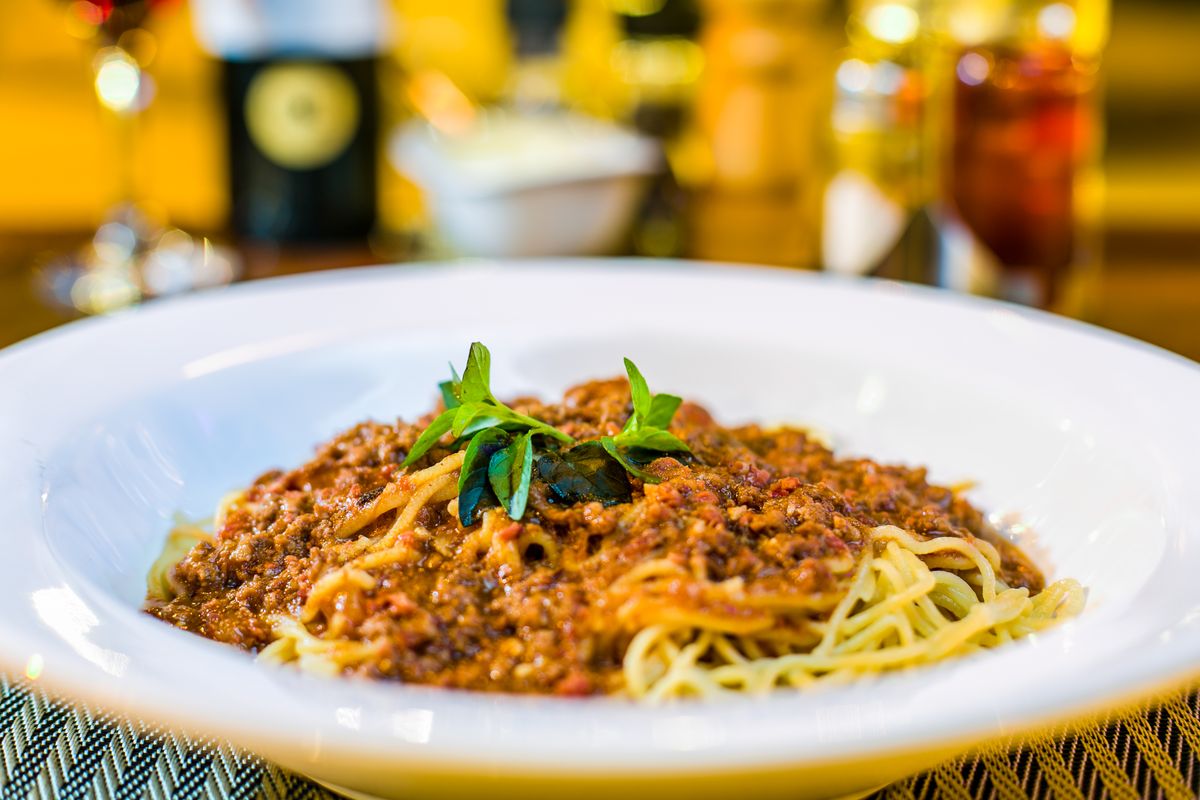
White bread, pasta, pastries, and other refined carbohydrates break down quickly into sugar, causing rapid blood sugar spikes followed by crashes. These fluctuations trigger hunger and cravings, often leading to overeating and snacking between meals. Refined carbs contribute to insulin resistance over time, making fat storage more likely.
Replacing these foods with whole grains, quinoa, and brown rice slows digestion, keeps energy steady, and promotes satiety. This shift stabilizes appetite, reduces impulsive snacking, and supports consistent weight loss over time.
Healthy Snacks Can Overwhelm Calorie Budgets
Even foods widely considered healthy, such as nuts, seeds, dried fruits, and granola, are calorie-dense. It is easy to overconsume them, especially when eating directly from the bag or without measuring. A handful of almonds might seem small, but consuming multiple servings without realizing it can exceed daily caloric goals.
To manage intake, portion snacks in small containers. Mindful consumption ensures the body benefits from nutrients without accidentally accumulating excess calories, preserving the balance needed for weight loss.
Late-Night Eating Slows Metabolism

Eating late at night, even in small quantities, can interfere with metabolism and increase fat storage. The body is naturally less efficient at digesting and burning calories during the evening, making late-night snacks particularly problematic.
Common indulgences include chips, cookies, or leftover meals, which contribute unnecessary calories. Shifting meals earlier and choosing light, protein-rich evening snacks minimizes caloric impact. Developing a consistent eating schedule aligns metabolism and hormone regulation, helping maintain fat loss while reducing late-night cravings.
Over-Reliance on Low-Fat or Fat-Free Foods
Low-fat and fat-free labeled foods often contain added sugars, starches, or artificial flavorings to compensate for flavor loss. While they appear healthier, these substitutions often increase blood sugar, insulin spikes, and overall caloric intake.
Prioritizing whole foods and healthy fats, such as avocado and nuts, promotes satiety, stabilizes blood sugar, and improves hormone regulation. Incorporating these nutrient-dense fats supports fat-burning processes while avoiding hidden sugars and processed ingredients.
Alcohol Slows Fat Burning and Promotes Overeating
Alcoholic drinks are packed with empty calories that contribute to fat storage and reduce the body’s ability to burn fat efficiently. Drinking also decreases inhibitions, leading to overconsumption of high-calorie foods, particularly late at night. Beer, cocktails, and sugary mixed drinks are particularly disruptive due to high sugar content.
Limiting alcohol intake, alternating with water, or choosing lower-calorie options like dry wine or light spirits preserves progress. Strategic planning for social situations ensures that occasional alcohol does not derail weight loss efforts or lead to unintended caloric surplus.
Mindless Eating During Screens

Eating while distracted, watching TV, scrolling social media, or working on a computer, can lead to overeating without awareness. Without paying attention to portion sizes or satiety cues, caloric intake often exceeds what the body needs. Mindless eating also reduces satisfaction, leaving a desire for more food soon after meals.
Creating a habit of eating without screens allows full awareness of hunger and fullness signals. Mindful eating promotes natural calorie control, enhances digestion, and prevents unnoticed weight loss sabotage from unconscious snacking.
Final Thoughts
Weight loss is frequently derailed by hidden factors in daily diet and habits. Sugary drinks, hidden sugars, refined carbs, mindless snacks, late-night eating, low-fat traps, alcohol, and distracted eating all quietly prevent progress despite effort.
Recognizing these weight-loss killers empowers individuals to make more conscious, smarter choices that align with their goals. By replacing hidden pitfalls with mindful alternatives, controlling portions, and maintaining awareness, daily meals transform into tools that support weight loss rather than obstacles that undermine it. Consistent application of these insights enables sustainable results, healthier habits, and long-term success.