10 Grocery Store Foods With Healthy Labels That Could Be Tricking You
Grocery stores often feature foods marketed as healthy, with packaging that highlights terms like “protein” or “whole grain.” However, the true nutritional value is often revealed only on the label. Many of us choose granola over cookies, flavored yogurt over dessert, or smoothies because they contain fruit, without realizing these options can be high in sugar and low in fiber.
This is the challenge with many so-called healthy foods. While they are not inherently harmful and do not need to be eliminated, marketing often exaggerates their nutritional value. This can lead us to overconsume them, rely on them too heavily, and miss healthier alternatives.
These 10 foods deserve a closer look before they land in the cart.
Granola

Granola has the personality of a health food. It looks rustic, crunchy, and outdoorsy, especially when the package shows oats, nuts, seeds, honey, dried fruit, or coconut. The problem is that many store-bought granola are held together with sweeteners and oils, which can turn a small scoop into a calorie-dense topping that behaves more like dessert.
The serving size is where many shoppers get caught. Most people do not eat a carefully measured portion, especially when granola is poured into a bowl like cereal. A better move is to use it as a topping over plain Greek yogurt, cottage cheese, or fruit instead of making it the main meal. We still get the crunch, but we avoid turning breakfast into a sugar-heavy start.
Flavored Yogurt
Yogurt can be a smart choice when it is plain, protein-rich, and low in added sugar. The trouble starts when it comes with fruit syrup, cookie crumbles, candy toppings, sweetened granola, vanilla flavoring, or a “fruit on the bottom” layer that tastes more like jam than fresh fruit. That tiny cup can look innocent while carrying more sugar than we expect.
Plain yogurt gives us more control. We can add berries, banana slices, cinnamon, chia seeds, chopped nuts, or a small drizzle of honey for sweetness. That way, the yogurt stays closer to real food instead of becoming a refrigerated dessert with a healthy label.
Protein Bars

Protein has become one of the most powerful words in food marketing. We see it on bars, cookies, cereals, chips, shakes, and even sweet snacks that still taste suspiciously like candy. Protein matters, but a food does not become healthy just because the wrapper says it has more of it.
Many protein bars are built with syrups, chocolate coatings, artificial sweeteners, oils, isolated proteins, and flavorings. Some are useful during travel, long workdays, or after a workout, but they should not replace real meals every day. If we need protein, whole foods like eggs, beans, tuna, tofu, lentils, chicken, Greek yogurt, and nuts usually bring more nutrition with fewer surprises.
Breakfast Cereal
Breakfast cereal knows how to sound responsible. Boxes talk about whole grains, vitamins, minerals, heart health, fiber, and family nutrition. Still, many cereals are made from refined grains and coated with sweet toppings, then dressed up with claims that make them seem more nourishing than they are.
The biggest issue is fullness. A sugary cereal may taste great at 7 a.m., but it may not keep hunger away for long if it lacks protein and fiber. We can do better with oatmeal, eggs, plain yogurt, cottage cheese, tofu scramble, or a high fiber cereal paired with protein. If cereal stays in the pantry, the better choice is one with low added sugar, higher fiber, and a short ingredient list.
Gluten-Free Snacks
Gluten-free foods are essential for people with celiac disease and helpful for some people with medical gluten sensitivity. For everyone else, the label can create a health halo that is not always earned. A gluten-free cookie is still a cookie, and a gluten-free cracker can still be made mostly from refined starches, oils, salt, and sugar.
Some gluten-free snacks are lower in fiber and protein than their regular versions. They can also cost more, which means we may pay extra for a product that is not more filling or nutritious. Naturally gluten-free foods like potatoes, beans, lentils, fruit, vegetables, rice, quinoa, eggs, fish, nuts, and plain dairy are usually stronger everyday choices.
Store-Bought Smoothies
A smoothie sounds harmless because fruit is involved. A homemade smoothie can be excellent when it includes whole fruit, leafy greens, plain yogurt, seeds, and a protein source. Store-bought smoothies are a different story, especially when they are made with fruit juice, frozen yogurt, sherbet, sweetened milk, syrups, or giant portions.
Liquid calories are easy to underestimate. We may drink a large smoothie quickly and still feel hungry soon after, especially if it lacks protein, fiber, and healthy fat. A better smoothie starts with unsweetened milk, water, kefir, or plain yogurt, then adds whole fruit, greens, chia or flaxseed, and protein. That keeps it closer to a meal instead of a milkshake in wellness clothing.
Plant-Based Meat Can Still Be Highly Processed
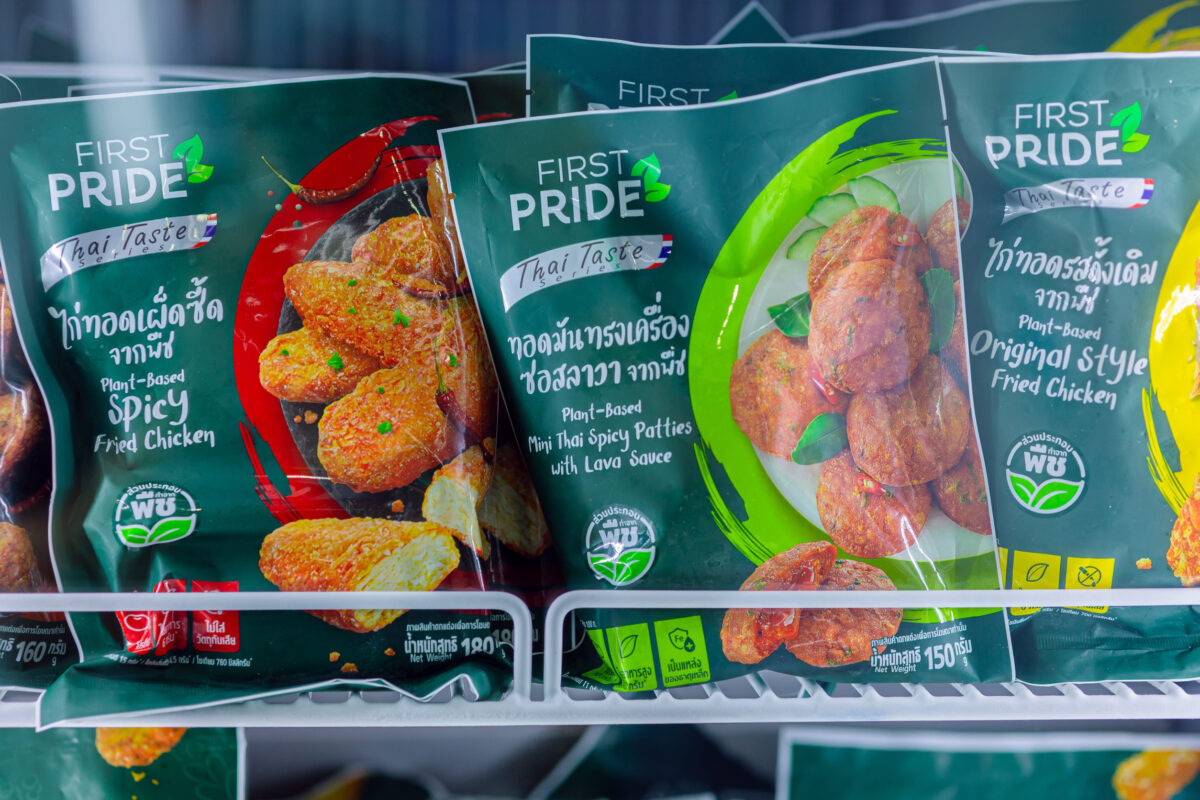
Plant-based eating can be great when it focuses on beans, lentils, vegetables, tofu, tempeh, whole grains, nuts, seeds, and fruit. Plant-based meat substitutes are not always the same thing. Some are convenient, but many are ultra-processed and may contain lots of sodium, oils, binders, flavors, and additives.
A meatless burger is not automatically healthier than a regular burger just because it comes from plants. We need to read the sodium, saturated fat, protein, fiber, and ingredient list before assuming it is the better choice. Homemade black bean burgers, lentil patties, mushroom tacos, chickpea salad, and tofu stir-fries often provide more nutrition with less processing.
Frozen Yogurt
Frozen yogurt has spent years enjoying a better reputation than ice cream. It sounds lighter, cleaner, and more responsible, especially when the word “yogurt” does the heavy lifting. But once we add a large cup, candy toppings, cookie pieces, syrups, cereal clusters, and whipped cream, the “healthier dessert” story falls apart quickly.
The honest way to treat frozen yogurt is simple. It is a dessert, and dessert can fit into life when the portion makes sense. We should choose the flavor we actually enjoy, keep the cup small, and avoid turning the toppings bar into a second meal. Sometimes, a small serving of real ice cream may satisfy us more than a giant cup of frozen yogurt pretending to be virtuous.
Sweetened Plant Milks
Plant milks are popular for good reasons. They can help people who avoid dairy, follow a plant-based diet, or want more variety in coffee, cereal, smoothies, and cooking. The catch is that many original, vanilla, chocolate, and barista-style versions contain added sugar.
This matters because plant milk often shows up more than once a day. A splash of coffee, a bowl of cereal, a smoothie, and a latte can quietly add extra sweetness without feeling like a dessert habit. Unsweetened fortified versions are usually the better default. We should also check the protein content, especially if we are using plant milk as a true dairy replacement.
Sports Drinks

Sports drinks make sense in certain situations. Long workouts, heavy sweating, hot weather, and endurance activity can increase the need for fluids and electrolytes. The problem is that many people drink them after light exercise, casual walks, short gym sessions, or ordinary daily activity, when water would do the job just fine.
The sugar can sneak in fast, especially when the bottle is large, and the drink feels “athletic” rather than sweet. For most people, water should be the default. If we need electrolytes, lower sugar options, electrolyte tablets, or homemade water with citrus and a pinch of salt can be smarter choices.