The Military Salute You’ve Been Misreading Your Whole Life
The sharp motion of a military salute might seem like a simple act of respect, but it carries layers of meaning most civilians never see. Behind each gesture lies centuries of tradition, discipline, and authority. Every raised hand conveys hierarchy, readiness, and allegiance. Misunderstanding it isn’t just ignorance; it’s missing a ritual that’s central to military life and identity.
Beyond appearances, the salute communicates vigilance and obedience. It’s a silent signal of commitment, a habitual mark of professionalism, and a subtle reflection of power dynamics. Recognizing its true meaning exposes the structure, training, and protocols that shape armed forces worldwide.
It Started With Life or Death
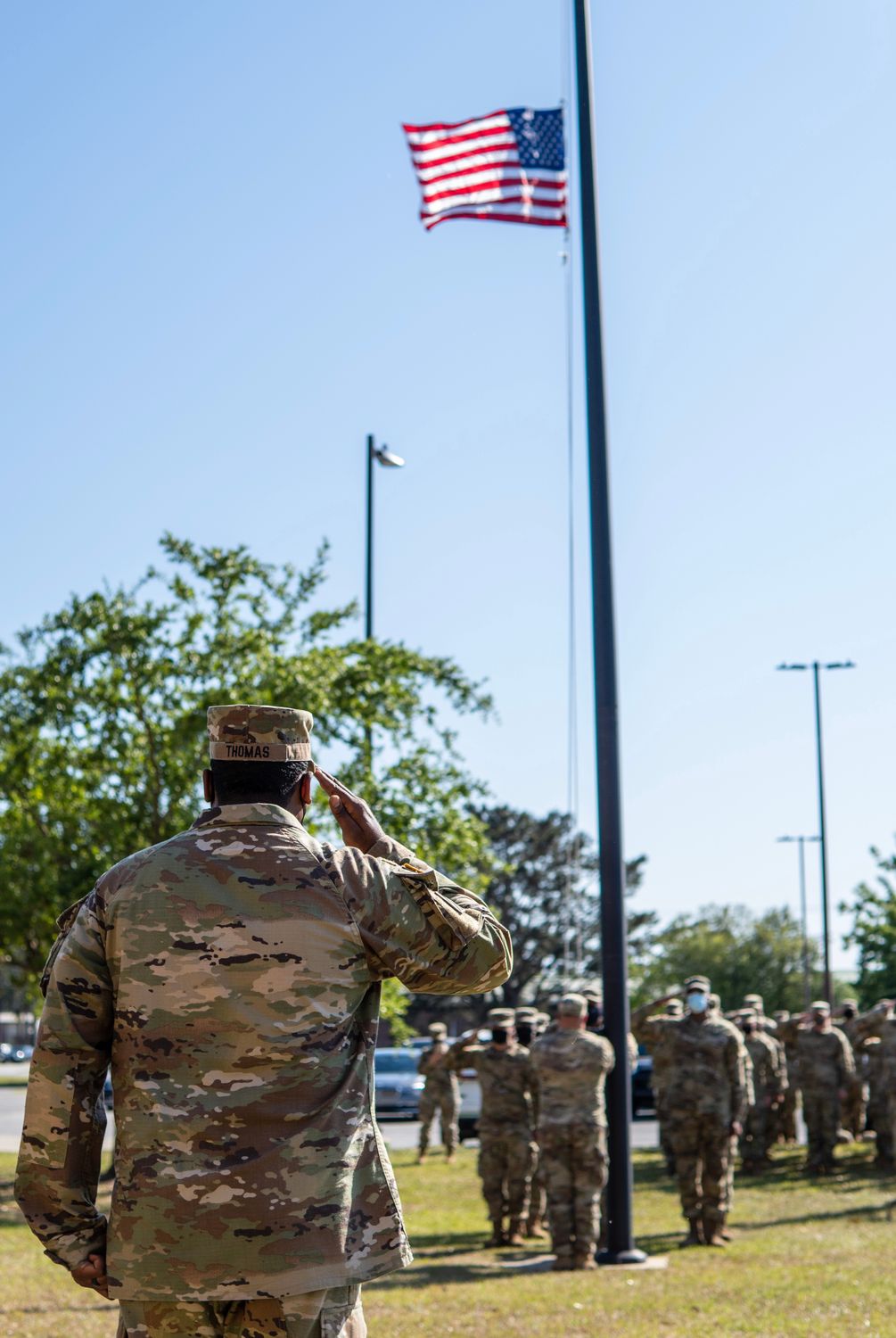
The salute’s origins trace back to medieval soldiers lifting visors to show they carried no hidden weapons. What seems like a polite gesture began as a survival tactic, proving trustworthiness and intention. Every modern salute is a tiny nod to that high-stakes history.
This history isn’t just trivia. It reminds service members that discipline and vigilance are ingrained, not optional. The gesture enforces awareness, signaling readiness to both allies and leaders, echoing a tradition built on life-and-death accountability.
Rank Makes Every Gesture Meaningful
Military protocol dictates exactly who salutes whom, and ignoring it can be a serious breach. Saluting a superior is required, while failing to do so calls discipline into question. It’s a ritual that maintains structure and reinforces the chain of command with every movement.
This hierarchy ensures cohesion under stress and danger. A salute is a constant reminder of one’s position, responsibilities, and obligations within a larger system. That single motion mirrors the organizational backbone that keeps armed forces functional.
Discipline Tested in Every Motion
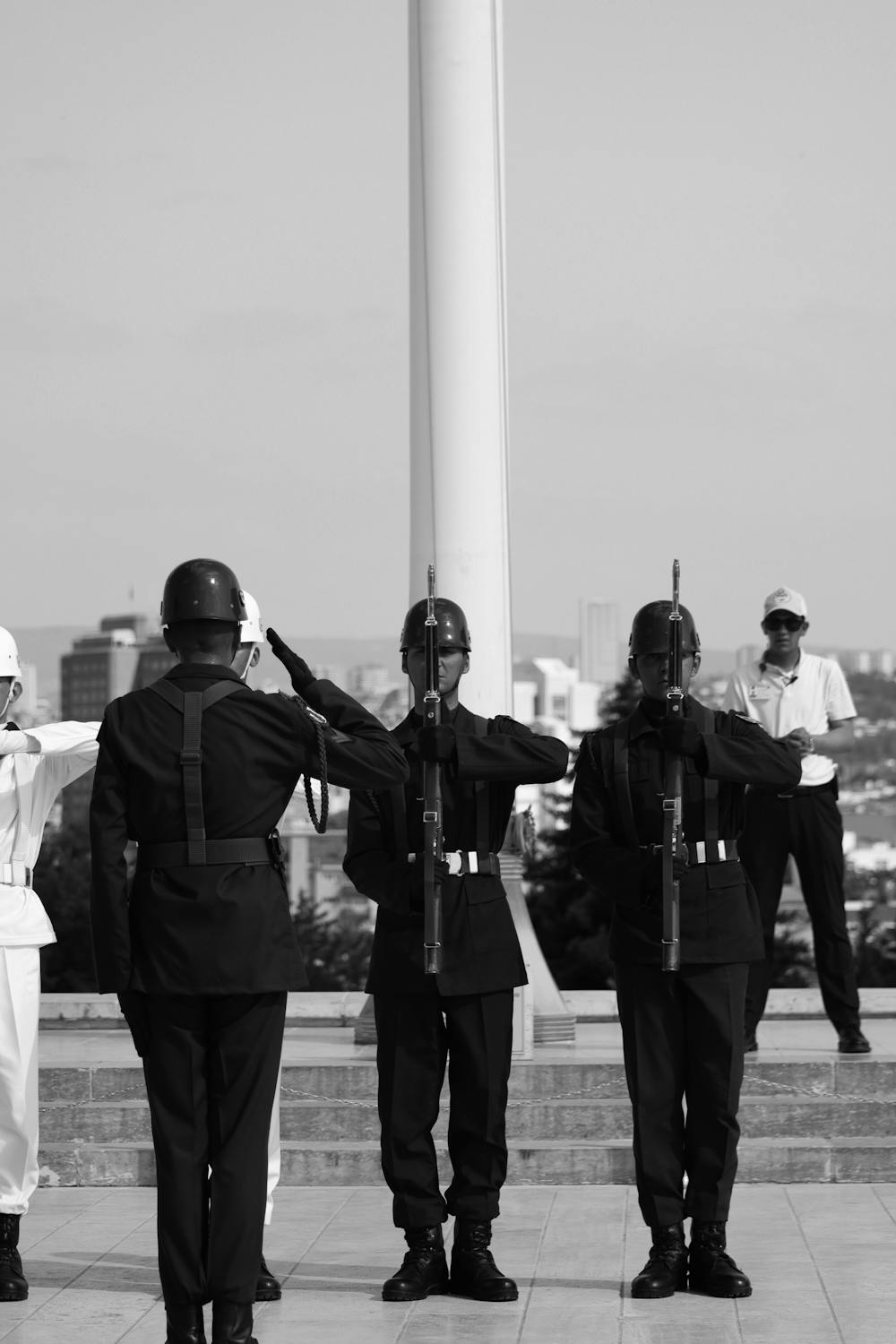
A salute isn’t casual; it’s a demonstration of obedience and precision. Soldiers practice it endlessly during training, ensuring the motion becomes instinctive even in high-pressure scenarios. Mistakes aren’t overlooked; they signal a lapse in professionalism and attention.
By making this a ritual, militaries cultivate focus and discipline. Each movement becomes a small, visible proof of the standards expected of all service members, reinforcing a culture in which attention to detail and compliance are critical for survival.
A Gesture That Reflects Loyalty
The act of saluting acknowledges more than rank; it’s a pledge of allegiance to the institution. Missing or mishandling a salute can signal a breach of trust, subtly calling into question a soldier’s commitment. This small gesture embodies respect, obedience, and loyalty in a single precise motion.
It’s compact but powerful, encapsulating trust and responsibility without a single word. Salutes are a shorthand language of dedication, showing that discipline and allegiance are inseparable from daily military life.
Public Displays Heighten Stakes
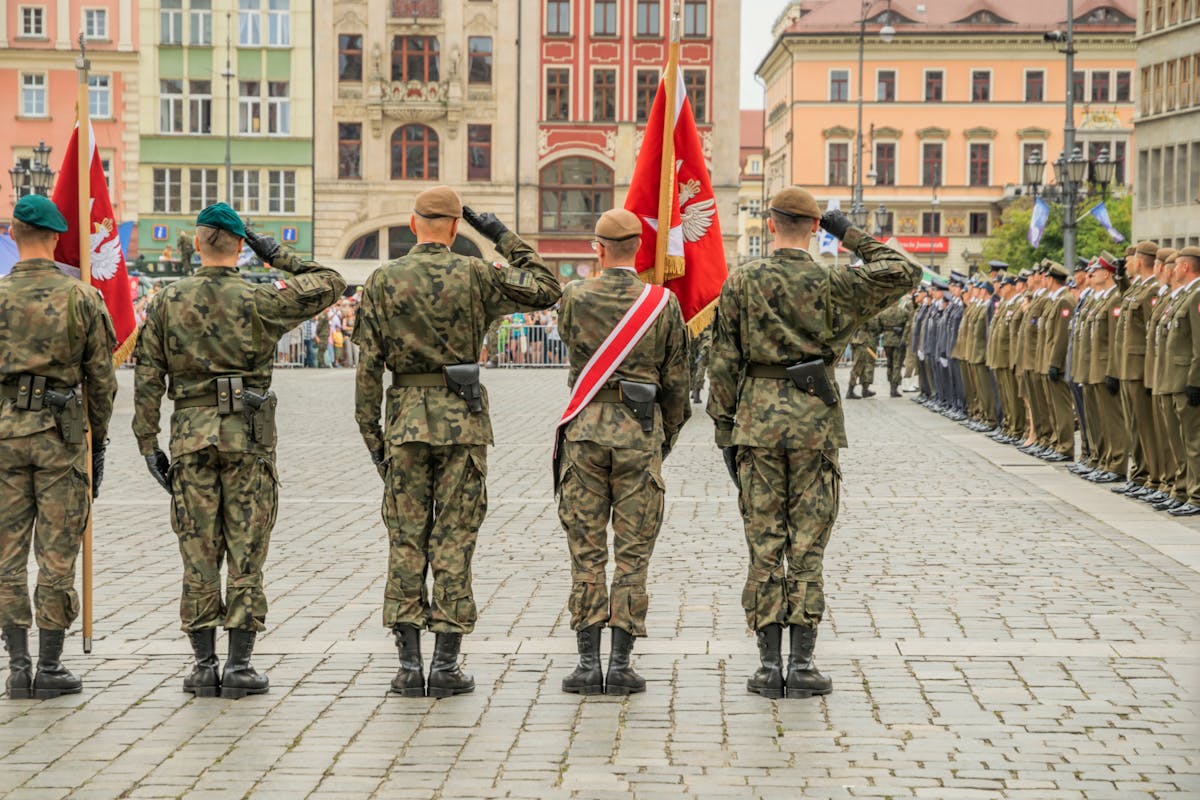
In parades or ceremonies, a salute is scrutinized under both public and internal eyes. Timing, angle, and formality are judged carefully, and errors are never trivial. Even the smallest deviation can reflect poorly on the soldier, the unit, and the branch.
The ceremonial context transforms a routine motion into a visible performance of competence. It reminds everyone involved that discipline is both private practice and public responsibility, reinforcing the weight of military culture.
Gender and Tradition Shape Protocol
While the salute appears uniform today, history shows it has been shaped by culture and gender norms. Different branches and countries had variations in the past, sometimes reflecting societal expectations. These differences provide insight into how identity and tradition intersect with military protocol.
Modern standardization hides those historical nuances, but understanding them reveals how military etiquette has evolved. The salute reflects not just rank but also a complex interplay of custom, identity, and societal norms over time.
Civilian Misunderstanding Is Common
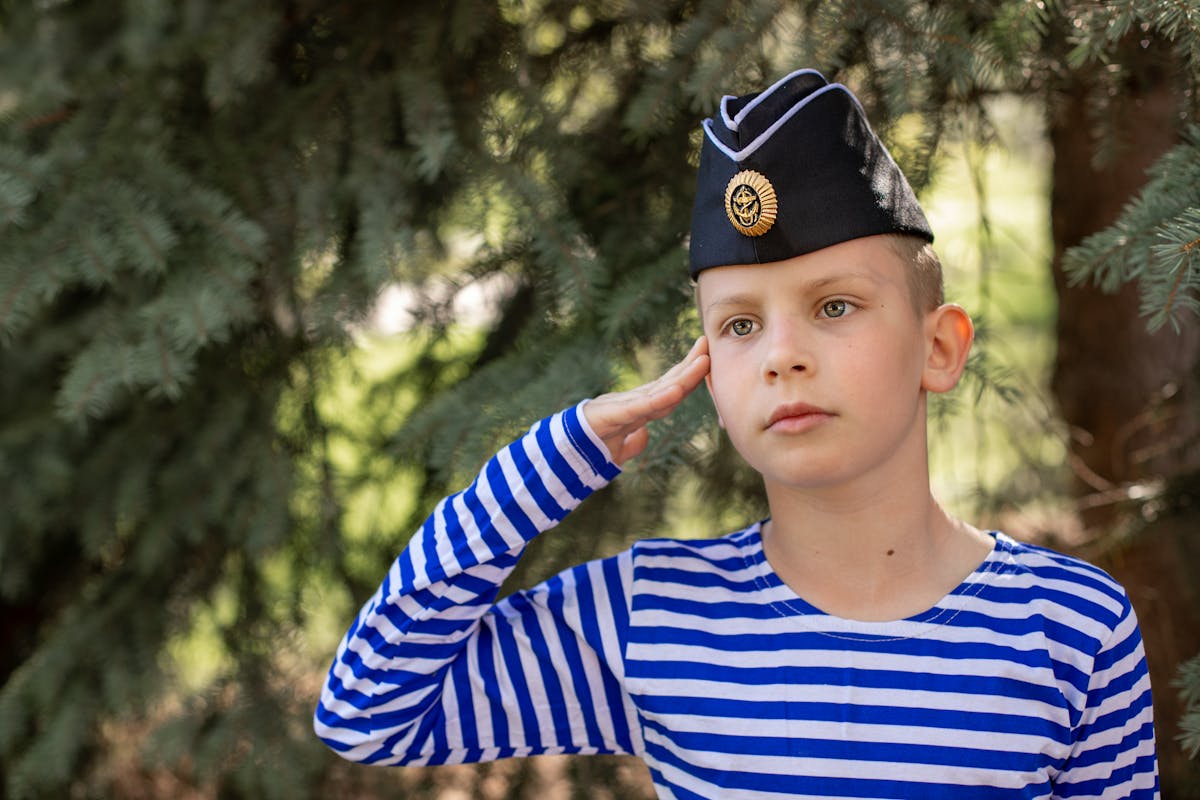
To outsiders, salutes may seem ceremonial or superficial, often seen in movies or public events. The reality is far deeper. It’s a gesture layered with loyalty, discipline, and hierarchy, and overlooking its significance misses the subtle enforcement of order it represents.
Misreading this gesture can undervalue the training and rituals that sustain military life. Salutes aren’t decorative; they’re functional, symbolic, and essential in maintaining structure and respect within the armed forces.
A Lifelong Habit
Once ingrained, saluting becomes a permanent part of military identity. Veterans continue the practice in civilian life when encountering fellow service members. It’s a mark of belonging, a demonstration of shared history, and a reminder of the discipline carried over decades of service.
This habit underscores how military training leaves lasting marks on identity. Even when the battlefield is long behind, the salute remains a sign of cohesion, experience, and loyalty, uniting generations of service members.
The Salute Mirrors Military Culture
Ultimately, every salute is a mirror of what the military values most: hierarchy, tradition, vigilance, and discipline. Underestimating it risks missing one of the most potent symbols of armed service life. This seemingly simple gesture is packed with history, meaning, and expectation.
By understanding the salute, civilians gain insight into the discipline, structure, and identity that shape the armed forces. It is a small movement with immense cultural, operational, and personal significance, proving that nothing in military life is ever truly simple.