Deportation Economy Backfires as Labor Shortages Put New Pressure on American Workers and Businesses
The promise was simple: remove millions of unauthorized workers, open more jobs for Americans, and strengthen the economy. But economists warn the reality may be far more complicated, with labor shortages, rising costs, and struggling businesses creating a new economic challenge.
Across America, the debate over immigration has often been framed around one question: Who gets the jobs?
But economists say another question may now be just as important: What happens when the workers who keep entire industries running suddenly disappear?
The answer is beginning to emerge in farms, restaurants, construction sites, hotels, and caregiving facilities where employers are facing a difficult reality. Jobs do not always move automatically from one group of workers to another. Sometimes, when labor disappears, businesses shrink, prices rise, and economic growth slows.
Economist Diane Swonk has warned that the growing impact of immigration enforcement could create unintended consequences for the U.S. economy, potentially hurting the very workers policymakers aim to help.
The latest labor numbers have added to those concerns. The U.S. economy lost 23,000 jobs in July, while changes in unemployment figures suggested that some improvement came from fewer people participating in the workforce rather than a major surge in hiring.
For many economists, the data highlights a deeper issue: America’s labor market is not just about the number of available jobs. It is about having enough workers with the right skills, in the right places, at the right time.
The Jobs Left Behind After Workers Disappear
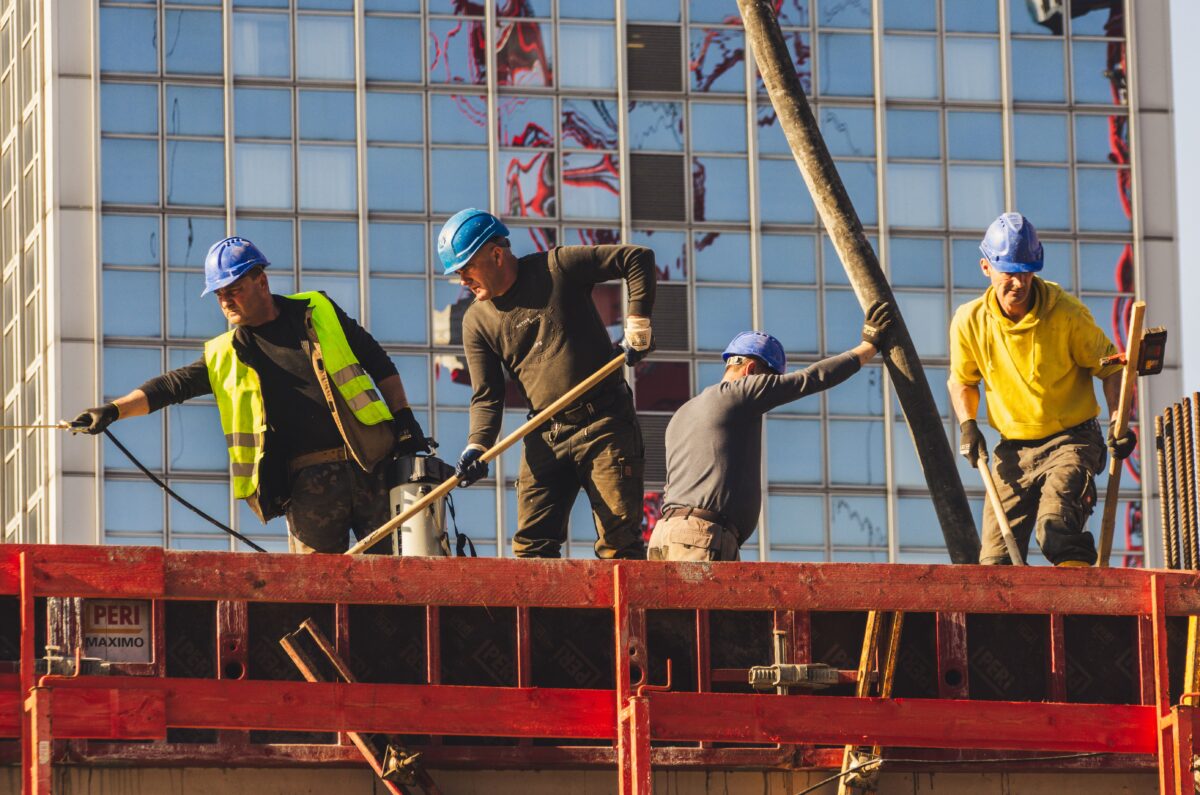
For years, immigrant workers have played a major role in industries that rely on large, dependable labor forces.
Agriculture is one of the clearest examples. Farmers often depend on seasonal workers to plant, maintain, and harvest crops. When labor becomes harder to find, the problem is not simply that a position becomes available. The entire production process can slow down.
A farmer cannot wait months for a replacement worker when crops need to be harvested immediately.
The same challenge appears in construction, where labor shortages can delay housing projects and increase costs. A missing worker on a job site does not just represent one empty position. It can affect the pace of an entire project involving dozens of other workers and suppliers.
In restaurants and hospitality, the impact can appear in everyday experiences. Fewer employees can mean shorter hours, slower service, or higher prices as businesses try to cover increased labor costs.
The economic question is not only whether jobs exist. It is whether businesses can continue operating at the same level without the workforce they previously relied on.
Why Empty Jobs Do Not Always Become American Opportunities
One of the biggest assumptions behind strict immigration policies is that jobs left vacant by immigrant workers will naturally go to American workers.
Economists say the labor market is more complicated.
A job opening does not guarantee that someone nearby can or wants to fill it.
A construction company in one state may need experienced workers immediately, but unemployed workers in another region may not have the skills, transportation, or ability to relocate.
A farm job may require seasonal availability that does not match the schedules of workers seeking year-round employment.
A caregiving position may require training and emotional skills that cannot be developed overnight.
There is also the issue of wages. Some businesses may raise pay to attract workers, but smaller companies operating on narrow margins may struggle to absorb higher costs.
Instead of hiring more Americans, some businesses may reduce operations, invest in automation, or close certain services.
That creates a different economic outcome than many supporters of aggressive enforcement expected.
The Small Business Problem Nobody Sees Coming
While immigration debates often happen in Washington, the consequences are frequently felt on Main Street.
Small businesses operate differently from large corporations. A major company may have the resources to adjust quickly, but a family-owned restaurant, local farm, or small construction company may have fewer options.
For these businesses, losing workers can create immediate challenges.
A restaurant owner may have to cut operating hours because there are not enough employees. A contractor may delay projects because crews are incomplete. A hotel may reduce services because it cannot maintain staffing levels.
These decisions do not happen in isolation.
When hundreds or thousands of businesses make similar adjustments, the effects spread throughout local economies.
Fewer operating hours can mean fewer wages. Delayed projects can affect suppliers. Reduced business activity can weaken communities that depend on local spending.
The Hidden Cost Could Reach American Consumers
The immigration debate is also becoming a conversation about prices.
When businesses face labor shortages, they often have limited choices. They can raise wages, reduce services, or increase prices.
Consumers may eventually feel those changes in everyday expenses.
Food production is one example. A smaller agricultural workforce can affect harvesting and processing, potentially increasing costs throughout the supply chain.
Housing is another area where labor shortages can create pressure. Construction delays and higher labor expenses can contribute to increased costs for new homes and renovations.
Healthcare and caregiving present another challenge. As America’s population ages, demand for care workers continues to grow. A reduced workforce in these areas could place additional pressure on families searching for affordable support.
The economic impact of labor policy does not stop at the workplace. It can reach grocery bills, housing costs, and household budgets.
A Bigger Economic Test for America
The debate over deportation and immigration enforcement is ultimately about more than politics. It is about how the American economy functions.
Supporters argue that stricter enforcement protects workers and encourages companies to hire Americans. Critics argue that removing workers without a replacement strategy can create economic disruptions.
Both sides agree on one thing: the workforce matters.
The challenge is finding a balance between enforcing immigration laws and maintaining the labor supply needed for businesses, consumers, and communities.
America’s economy depends on millions of workers performing essential tasks every day. When that workforce changes, the effects can spread far beyond the people directly involved.
The biggest question facing policymakers may not simply be who fills America’s jobs.
It may be whether the country can remove millions of workers from the economy without creating new problems for the people left behind.