The Terrifying Truth Behind Jesus’ Resurrected Body: Why the Execution Scars Remained
When Christ emerged from the sealed tomb in John 20, He did so with a body that defied natural laws: immortal, glorified, and capable of passing through solid walls. Yet, instead of presenting a flawless, perfected form, He kept the jagged, agonizing scars from His execution. This decision is not merely symbolic—it is a haunting testament to the enduring weight of human violence and suffering. The scars were raw, visible, and deliberately displayed to His disciples, forcing them to confront the horrifying reality of what had transpired.
Scars That Refuse to Heal
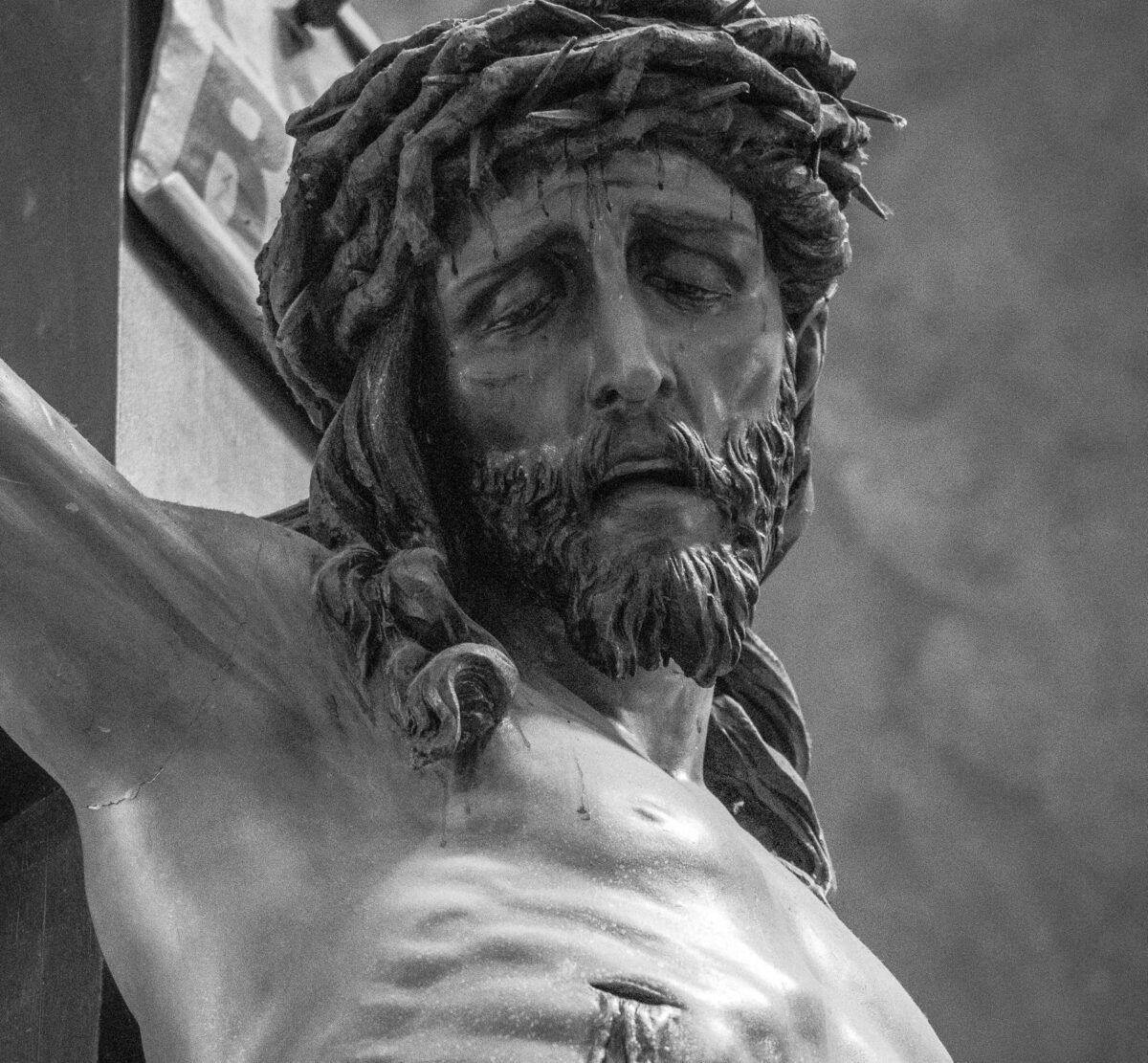
The choice to retain the wounds in His wrists and side was shocking. Unlike a typical narrative of resurrection where suffering is erased, these marks stood as permanent reminders of the cruelty humans inflicted. Thomas, famously skeptical, was specifically invited to touch the jagged wounds, bridging the gap between doubt and terrifying reality. This moment underscores a brutal lesson, redemption does not erase the horror; it immortalizes it. The wounds serve as a dark, inescapable emblem of both human cruelty and divine endurance.
The Psychological Weight of Visible Suffering
The disciples were terrified upon seeing Him. This was not a comforting miracle; it was a confrontation with the lingering trauma of execution. By retaining the scars, Christ transformed His glorified body into a living tableau of pain, forcing His followers to acknowledge the depth of what had occurred. The permanence of these wounds shatters any notion that resurrection meant instant erasure of suffering. Instead, it presents a sobering, almost haunting acknowledgment of human violence that continues to echo through history.
Redemption Wrapped in Horror
In modern culture, healing is often framed as erasing our past, hiding vulnerabilities, and presenting a polished self. Christ’s scars defy this cultural assumption. The wounds show that true transformation may not come from obliterating trauma but bearing it as evidence of survival and triumph. His body tells a terrifying story: that suffering, though conquered, leaves indelible marks that cannot—and should not—be ignored.
Lessons in Eternal Justice and Human Sin
The preserved execution scars also reveal a dark lesson about accountability. Humanity’s violence leaves permanent traces that even divine power does not erase. The scars are a stark reminder that actions have consequences and that the horrors inflicted upon the innocent are etched into both history and memory. For believers, they signal that justice, while ultimate, does not negate the physical and emotional terror of human wrongdoing.
Implications for How We View Redemption
The revelation that Christ’s resurrected body maintained its wounds challenges sanitized versions of spiritual triumph. Redemption is not about comfort or aesthetic perfection; it is about facing horror and still moving forward. By choosing not to erase His scars, Christ creates a model for humanity: healing does not require pretending that trauma never happened. Instead, true power comes from integrating the scars into the narrative of survival and authority.
A Radical Reframing of Victory
These scars transform our understanding of victory itself. The resurrection does not signify a painless or sanitized resolution. It demonstrates that enduring suffering and retaining the evidence of that suffering is an act of ultimate defiance against human cruelty. The wounds are both a warning and a proclamation: the horrors we inflict leave marks, but endurance transforms them into trophies of divine resilience.
The Haunting Legacy of Visible Pain
The scars are not simply reminders—they are living symbols of the extremes of human sin and the endurance of the divine. By displaying them to Thomas and the other disciples, Christ forced recognition of uncomfortable truths, evil leaves marks, survival does not erase trauma, and glory can coexist with horror. These lessons remain unnervingly relevant today, compelling reflection on how human cruelty manifests and persists.