12 Period Mistakes That Are Making Your Cycle Worse Without You Realizing
Periods are challenging enough without adding habits that make cramps, bloating, fatigue, or mood swings worse. Many of us treat menstruation like something to power through, ignoring small choices that quietly escalate discomfort. The good news is that minor adjustments to your daily routine, hygiene, and diet can dramatically improve how you feel during your period.
From product misuse to hydration mistakes and overlooked nutrition, these are the period habits quietly sabotaging your cycle. Each point highlights the issue and practical fixes to regain comfort, energy, and control.
Living on Sugar, Salt, and Refined Carbs
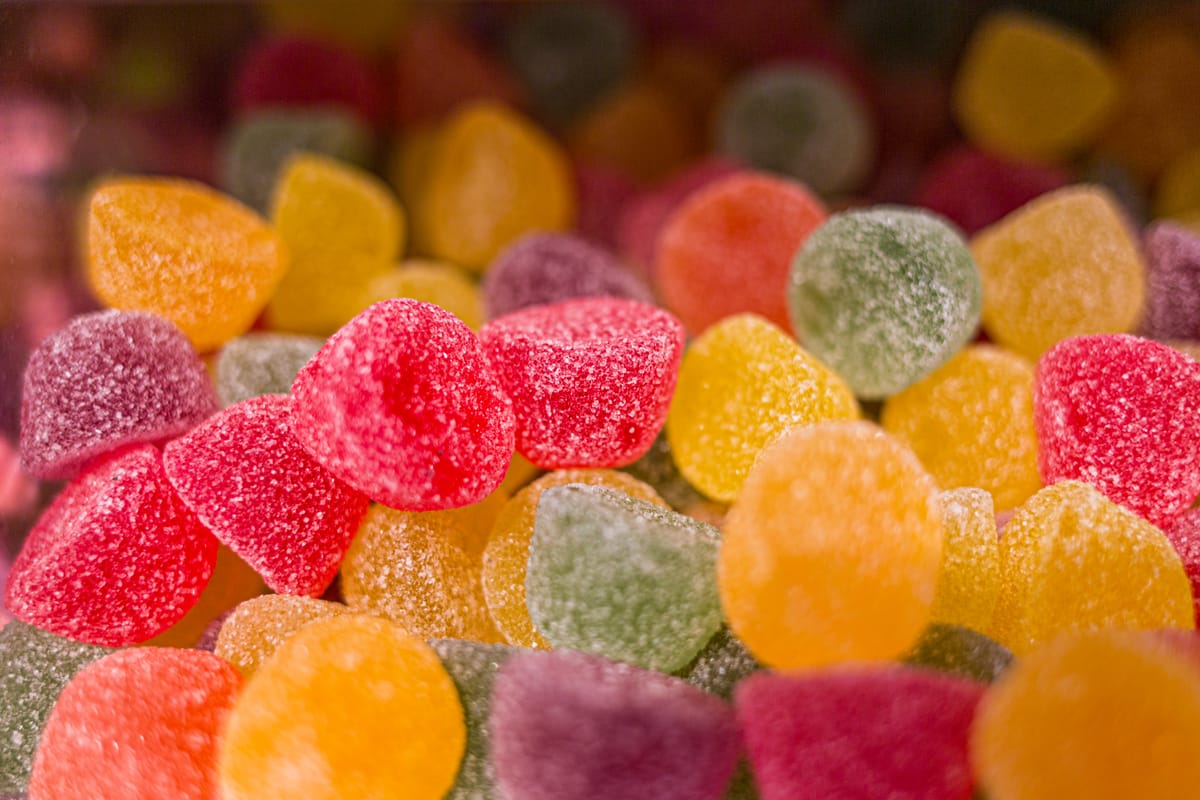
Cravings hit hard, but relying on sugar, salt, and refined carbs worsens bloating, fatigue, and mood swings. Eating heavily processed foods during menstruation can spike blood sugar, intensifying irritability and energy crashes.
Including iron-rich foods, fiber, lean proteins, fruits, vegetables, and whole grains stabilizes energy levels and supports digestion. Treats like chocolate or chips can still fit, but the focus should remain on nourishing the body for optimal comfort during the period.
Using Super Absorbency When You Don’t Need It
Super tampons may feel like insurance, but using them on light or moderate days dries out the vaginal tissue and can make removal uncomfortable. It can also make it easier to forget the product is still in place, increasing the risk of irritation or odor.
Switching absorbency as flow changes each day minimizes discomfort and supports natural vaginal health. On lighter days, a lower-absorbency tampon or pad is sufficient. Your vagina functions best when products support it, not overwhelm it.
Ignoring Heavy Bleeding
Many normalize heavy bleeding that disrupts daily life. Passing large clots, soaking pads quickly, or feeling drained isn’t something to ignore. Tracking flow and seeking medical advice when bleeding is excessive ensures underlying issues are addressed.
Heavy periods may signal fibroids, hormonal imbalances, or clotting disorders. Ignoring excessive bleeding can lead to anemia and fatigue. A quick check with a clinician can prevent complications and give peace of mind, making daily life easier during your cycle.
Overdoing Caffeine

Caffeine can spike energy temporarily, but too much increases anxiety, dehydration, and breast tenderness. It can also amplify cramps and make sleep harder, affecting recovery and mood.
Moderation is key. Pair caffeine with water and avoid late-day intake. Observing how your body responds helps determine whether your energy boost is actually worsening symptoms.
Leaving Tampons In Too Long
Some people stretch a tampon’s lifespan, hoping it will hold up all day. Doing so can cause irritation, odor, leakage, and in rare cases, toxic shock syndrome. Changing tampons every 4 to 8 hours keeps the vagina healthy and prevents complications.
Choosing the right absorbency for your flow and keeping track of the hours helps avoid discomfort. Heavy-flow days often require more frequent changes, while lighter days may allow longer use. Always wash your hands before and after insertion. Period care should feel normal, but “normal” should never mean careless.
Skipping Water Because You Feel Bloated
Bloating can tempt us to drink less, but dehydration actually worsens cramps, headaches, and fatigue. Water helps digestion and circulation, and reduces the intensity of cramping.
Sip water consistently and include hydrating foods like watermelon, cucumber, and leafy greens. Warm teas and broths can also soothe cramps. Proper hydration keeps the body functioning efficiently even on the heaviest flow days.
Using Scented Pads, Tampons, Sprays, or Powders
Scented products irritate sensitive skin and may increase the risk of infections. Normal menstrual odor is healthy and does not require masking.
Unscented pads, tampons, or menstrual cups, combined with gentle external washing, are sufficient. Respecting the body’s natural balance reduces irritation and the likelihood of complications.
Drinking Alcohol to Relax

Alcohol may feel like a relaxant when cramps or irritability hit, but it can interfere with sleep, hydration, mood, and inflammation. It may also reduce awareness around product changes, food, and medication timing.
Skipping alcohol during heavy or painful days, or limiting intake to small amounts, allows the body to recover naturally. Relaxation can be achieved through gentle stretching, warm baths, or calming breathing exercises without compromising your period health.
Douching
Douching can disrupt vaginal flora and increase the risk of bacterial infections. Many use it to feel clean after menstruation, but it often causes more problems than it solves.
Stick to external hygiene, changing products frequently, and using mild soap on the vulva if needed. A healthy vagina cleans itself naturally; over-cleaning can disturb that balance.
Treating Severe Pain Like A Badge of Strength
Cramps are expected, but severe pain isn’t something to “tough out.” Persistent, debilitating cramps may indicate conditions like endometriosis, fibroids, or pelvic inflammatory disease.
Using heat therapy, pain relief, and gentle movement early can prevent extreme discomfort. Waiting until pain becomes unbearable often prolongs suffering and reduces the body’s ability to recover. Listening to your body is a smarter approach than silently enduring intense pain.
Wearing Tight, Non-breathable Clothing
Tight leggings, synthetic underwear, and snug jeans can trap heat and moisture, increasing irritation and itchiness. Friction against pads or menstrual cups intensifies discomfort.
Choose breathable cotton underwear, looser bottoms, and adjust clothing for comfort on heavy-flow days. Prioritizing comfort does not mean sacrificing style, but it ensures your period does not exacerbate skin irritation or inflammation.
Forgetting to Track Symptoms
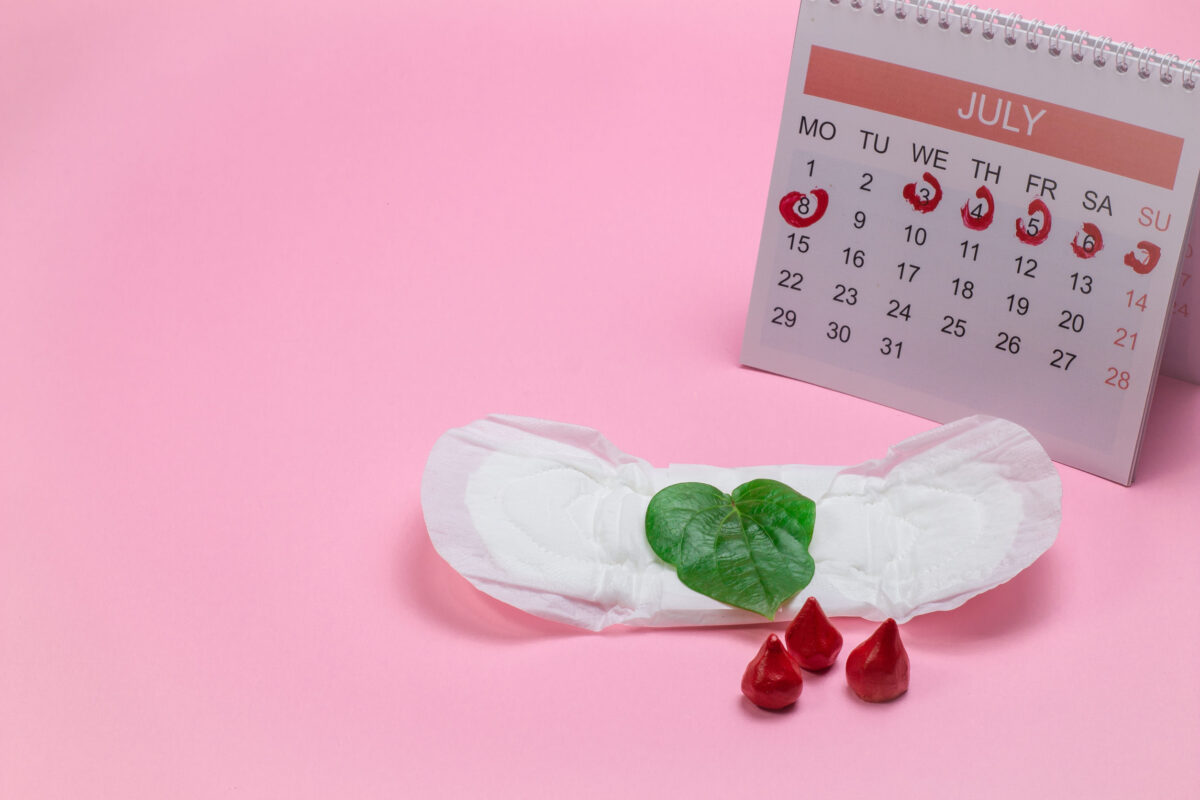
Tracking is often ignored until a painful cycle arrives. Without records, patterns go unnoticed, and it’s harder to explain symptoms to a doctor or recognize irregularities.
Record start date, flow level, cramps, clots, mood shifts, headaches, digestion changes, and any unusual occurrences. Over time, this helps anticipate difficult days and allows proactive management, turning your cycle into actionable insight.
Periods do not need to feel like a punishment, but ignoring habits that worsen symptoms makes them far harder than they need to be. Changing tampons on time, avoiding scented products, staying hydrated, eating nutrient-rich meals, and tracking symptoms creates a foundation for a safer, more comfortable cycle.
Listening to the body, respecting signs of heavy bleeding or severe pain, and prioritizing comfort over convenience can transform your experience. Practical, consistent care reduces the impact of cramps, bloating, fatigue, and mood swings, allowing periods to feel manageable instead of overwhelming.