Florida Renters Are Being Crushed as Eviction Pressure Turns the Sunshine State Dark
Florida once sold itself as the place where people could restart their lives under warmer skies, lower taxes, and a postcard version of freedom. For many renters now, that dream feels like it came with hidden fees, surprise rent hikes, court notices, and a monthly panic attack tucked inside the mailbox.
The state’s rental crisis is no longer just a Miami or Orlando story. It is showing up in inland counties, coastal towns, retirement communities, college areas, and working-class neighborhoods where renters are discovering that a slightly cooler market does not always mean an affordable one. Rents may have stopped exploding at the pace seen during the pandemic boom, but the damage from those years still sits in household budgets like a heavy stone.
Eviction Filings Are Still Too High for Comfort
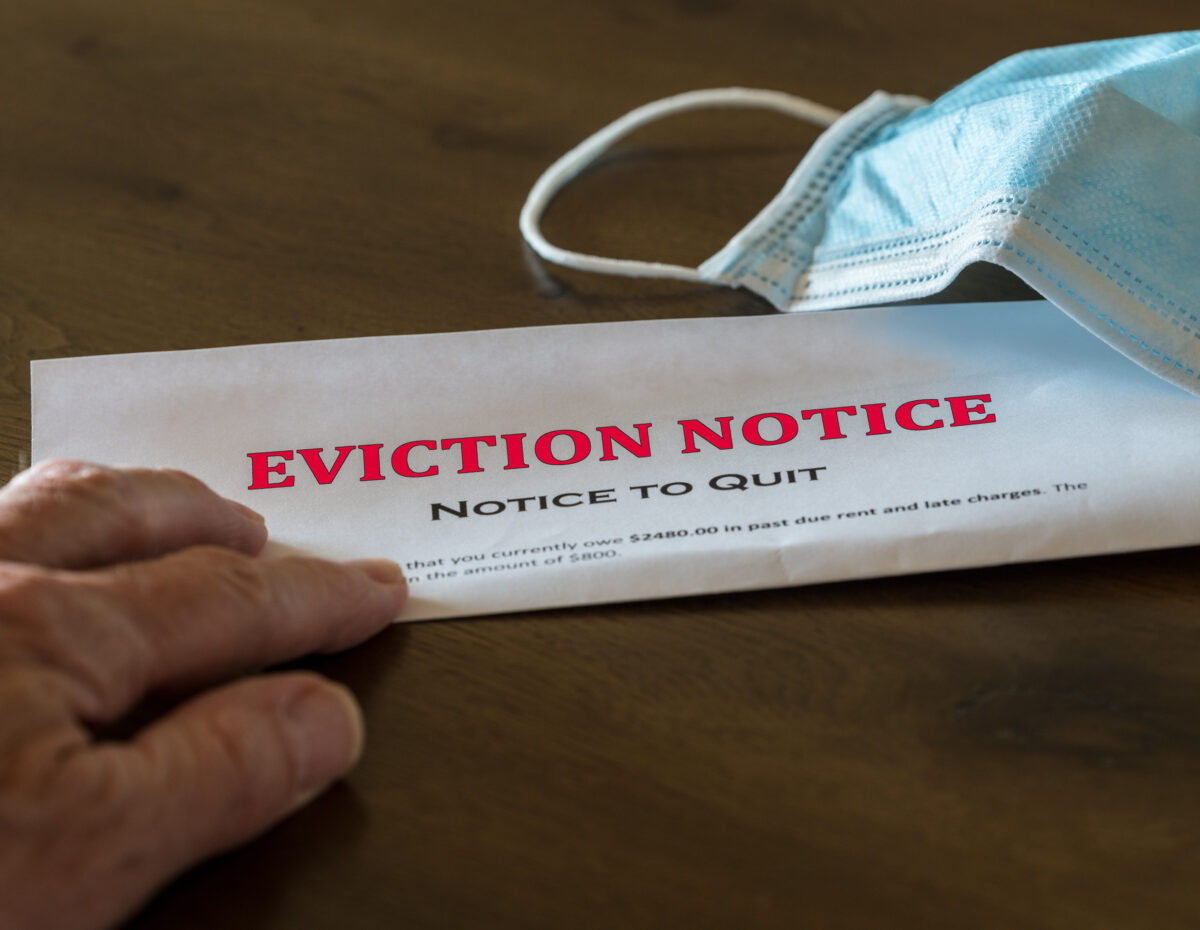
Florida’s eviction numbers tell a story that renters can feel before they ever see a courtroom. After the pandemic-era pause ended, filings rose sharply, and the state has remained far above the calmer levels seen before 2020. Even when yearly filings dipped slightly in 2024 and 2025, the total stayed painfully high, leaving thousands of households one missed paycheck away from a legal fight they may not be equipped to win.
The brutal part is that eviction pressure does not begin on the day a sheriff arrives. It starts when a renter delays paying a utility bill to cover rent, skips groceries to avoid late fees, or borrows from relatives just to keep a roof over their head for one more month. A filing can damage a tenant’s future even if the family eventually pays or moves out before removal. That stain can follow renters into the next application, where landlords may see risk instead of a struggling household trying to recover.
Rent Has Cooled, but Renters Have Not Recovered
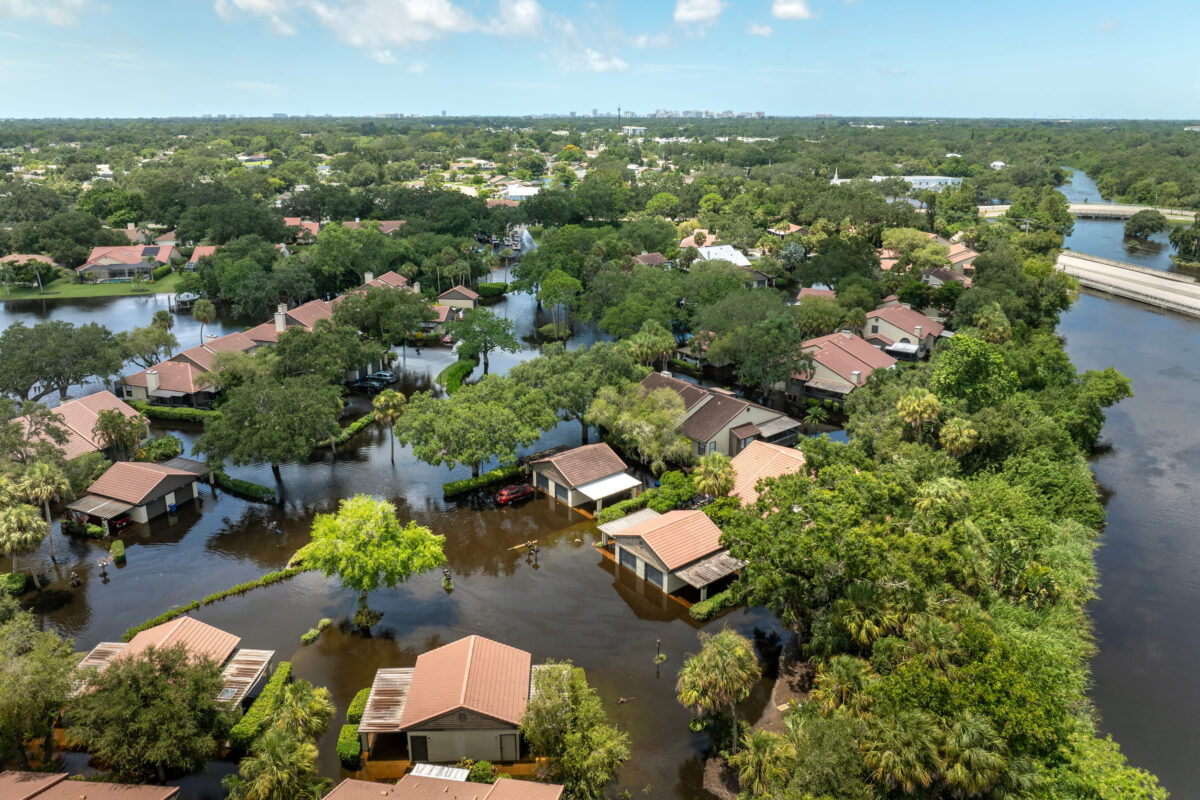
Some reports now show rent growth slowing or even easing in parts of Florida, but that does not mean renters suddenly feel rescued. A small rent drop after years of big increases still leaves many households trapped at a higher baseline. The bill may not be climbing as fast, but it is still sitting on the kitchen table demanding more than many paychecks can comfortably carry.
That is why the word “cooling” can sound insulting to renters who are still spending half their income on housing. A family paying hundreds more than they paid a few years ago does not celebrate a tiny decrease as a victory. They still have car insurance, groceries, child care, medical bills, gas, and school expenses waiting behind the rent payment. In real life, affordability is not measured by market trends alone. It is measured by what remains after the landlord gets paid.
Florida’s Growth Has Made the Crisis Worse
Florida’s population boom helped fuel the pressure. People moved in from higher-cost states, investors chased rental income, and builders added new apartments in many markets. Yet new supply did not fully solve the problem because much of the available housing remained too expensive for working renters who keep the state running.
That is the uncomfortable contradiction at the center of Florida’s rental crisis. The state can have new buildings, cranes in the skyline, and fresh apartment listings while still failing the people who need modest, stable homes. A luxury apartment tower may look like progress from the outside, but it does little for a teacher, restaurant worker, retiree, or warehouse employee who needs a reasonable two-bedroom near work. More units matter, but the type, price, and location of those units matter even more.
The Hidden Costs Are Moving Through the Rental Market
Renters may not pay the property insurance bill for an apartment building directly, but they can still feel it when costs are passed through the system. Florida landlords are dealing with insurance pressure, repair costs, taxes, maintenance expenses, and higher financing costs. Some owners absorb part of that pain, but many pass it along through rent increases, fees, stricter screening, or less flexibility when tenants fall behind.
That creates a nasty chain reaction. A landlord sees higher operating costs and tightens the lease. A tenant sees higher monthly costs and loses breathing room. Then one car repair, medical bill, job cut, or delayed paycheck can push the renter into late fees, notices, and eventually court. The crisis becomes less about one bad choice and more about a housing system with almost no cushion left for ordinary human emergencies.
Legal Protection Can Feel Thin for Renters
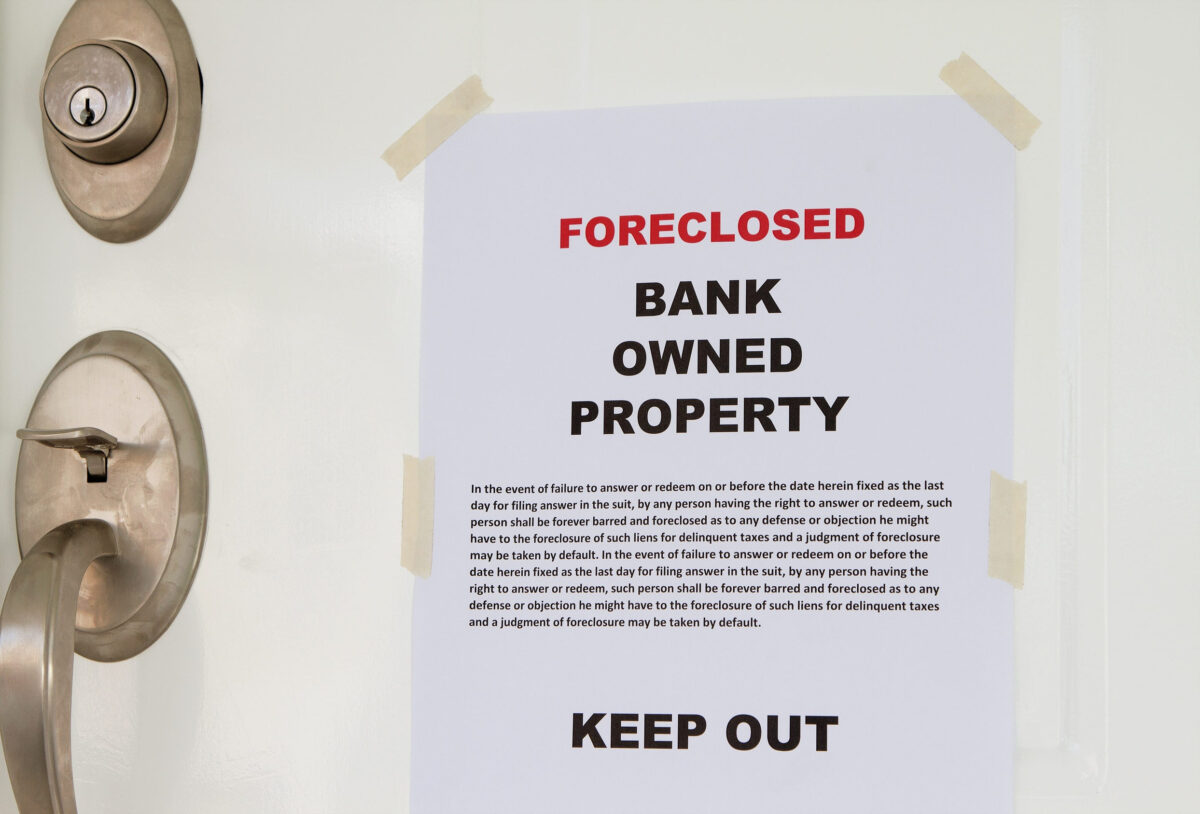
Florida renters do have rights, and landlords cannot legally use tactics like lockouts, utility shutoffs, or retaliation when tenants complain about serious housing issues. Still, knowing your rights and being able to enforce them are two very different things. Many renters do not have lawyers, flexible work schedules, transportation to court, or the confidence to challenge a property owner who understands the process better than they do.
The state has also moved toward more uniform landlord-tenant rules, reducing the power of local governments to create their own tenant protections in many areas. Supporters argue that statewide rules create consistency. Critics argue that local communities lost tools they needed to respond to local rent shocks. For renters, the result can feel simple and harsh: the rules are often easier to understand on paper than to navigate in real life.
Working Families Are Getting Hit From Both Sides
The Florida renter crisis is especially punishing for people who are employed but still cannot get ahead. These are not always households with no income. Many are working every week, paying bills, raising children, caring for aging parents, or trying to save for homeownership. The problem is that wages have not kept pace with the combined weight of rent, transportation, insurance, and daily living costs.
That creates a quiet class of renters who look stable from the outside but are financially cornered. They may have jobs, clean rental histories, and kids in school, yet they live with the fear that one mistake could unravel everything. A missed rent payment does not just threaten housing. It can disrupt schooling, employment, health, credit, and family stability. Eviction is not only a housing event. It is a life event.
The Nightmare Is Bigger Than One City
South Florida often gets the spotlight because rents there are notoriously painful, but the crisis reaches beyond Miami-Dade, Broward, and Palm Beach. Central Florida, Southwest Florida, college towns, and fast-growing suburban counties have all felt versions of the same squeeze. In some places, higher-income newcomers have changed what landlords believe the market can bear. In others, a limited, affordable supply has left longtime residents competing for fewer realistic options.
The result is a state in which renters may move farther from work to save money, only to lose those savings to gas, tolls, car repairs, and longer commutes. Some double up with family. Others move from apartments to extended-stay motels, where weekly payments can be expensive and unstable. The housing crisis does not always look like a tent under a bridge. Sometimes it looks like three generations in one apartment, a child changing schools again, or a worker sleeping in a car between shifts.
Florida’s Rental Crisis Is Now a Stability Crisis
The most dangerous part of Florida’s renter nightmare is how normal it is becoming. High rent is treated like weather. Eviction filings are treated like paperwork. Families moving again and again are treated like background noise in a booming state. That attitude hides the deeper cost.
A healthy state needs workers who can live near their jobs, seniors who can age without being priced out, students who can stay in school, and families who can plan beyond the next rent deadline. Florida’s rental market still attracts investors, developers, and newcomers, but its long-term strength depends on whether ordinary residents can afford to stay. Sunshine alone cannot hold a household together when the rent is too high, the notice comes too quickly, and the next apartment wants more money than the last.