8 Dark Reasons Sex Traffickers Often Avoid Experienced Sex Workers as First Targets
Sex trafficking is ugly because it rarely looks like the movie version. It does not always begin with a stranger in a van, a locked room, or a dramatic kidnapping. Many times, it starts with charm, fake romance, false job offers, debt, addiction, family pressure, homelessness, threats, or someone slowly taking control of another person’s choices.
There is a dangerous myth that traffickers never target women who are already in sex work. That is not true. Sex workers can be trafficked, abused, controlled, robbed, threatened, and trapped like anyone else when force, fraud, or coercion enters the picture. Still, traffickers often prefer victims they believe will be easier to deceive, isolate, and control. That is where the dark pattern begins.
They Prefer Women Who Do Not Recognize The Game

Traffickers often look for people who do not understand how exploitation works. A woman with no experience in commercial sex may be more likely to believe a fake boyfriend, a fake modeling offer, a fake travel promise, or a fake “quick money” opportunity. She may not know the warning signs until control has already started.
Experienced sex workers are not automatically safe, but many have seen manipulation before. They may recognize rushed promises, suspicious rules, sudden debt, controlling behavior, and pressure disguised as protection. Traffickers hate awareness because awareness slows down the trap.
They Want Control Before The Victim Understands The Price

A trafficker’s real product is control. Money matters, but control is the machine that keeps the money coming. Someone who has never been exposed to that world may not immediately understand how quickly “help” can turn into surveillance, how quickly “love” can turn into ownership, or how quickly “I’ll take care of you” can become “you owe me.”
That is why traffickers often move fast. They rush trust, intimacy, travel, dependency, and secrecy. A sex worker with experience may be more likely to question who is taking the money, who is setting the terms, who is choosing the clients, and why leaving suddenly feels impossible.
They Know Experienced Women May Have Stronger Street Sense
Traffickers do not like targets who can read danger early. Many sex workers develop survival instincts because they have had to protect themselves from violent clients, dishonest middlemen, fake protectors, police pressure, stigma, and unpredictable situations. That kind of street sense can make a trafficker’s job harder.
A trafficker wants confusion, not questions. He wants someone who ignores the strange hotel booking, the second phone, the hidden camera, the sudden demand for passwords, or the “friend” who is always watching. A woman with stronger instincts may not avoid every danger, but she may catch the pattern sooner.
They Fear Women Who Already Have A Network
Isolation is one of the oldest tools in trafficking. A trafficker wants a victim cut off from family, friends, coworkers, neighbors, and anyone who might notice changes. The more alone someone becomes, the easier it is to rewrite her reality and make her believe escape is impossible.
Some sex workers have networks, even informal ones. They may know other workers, drivers, hotel staff, outreach workers, harm reduction groups, regular clients, online communities, or local advocates. That does not make them untouchable, but it can make total isolation harder. Traffickers prefer silence, and networks create witnesses.
They Do Not Want Victims Who Understand The Money

Money control is a major part of exploitation. A trafficker may create fake debt for clothes, food, drugs, housing, transportation, photos, ads, or “protection.” Then the victim is told she must keep working until the debt is paid, only to discover the debt keeps growing.
An experienced sex worker may be more likely to notice when the math is a trap. She may recognize when someone is taking too much, hiding income, controlling bookings, or using debt as a leash. Traffickers thrive when victims do not know what is fair, what is fake, or what is being stolen from them.
They Avoid Women Who May Document Too Much
A trafficker wants power without a paper trail. He may use cash, fake names, burner phones, threats, emotional pressure, or constant movement to keep his control hard to prove. The less evidence a victim has, the easier it becomes for him to deny everything and paint her as unreliable.
Some experienced sex workers are more careful about messages, names, locations, screenshots, payment records, and safety check-ins. They may not document everything, and many still face danger, but even basic evidence can scare an exploiter. A trafficker wants someone who is too overwhelmed, frightened, or inexperienced to keep records.
They Prefer Shame They Can Weaponize
Traffickers often use shame as a cage. They tell victims no one will believe them, no one will care, and everyone will judge them. For women who have never been in commercial sex, that shame can feel especially terrifying because the trafficker uses fear of exposure to force silence.
This is one reason stigma helps traffickers. When society treats exploited women as criminals, jokes, or “bad choices,” abusers gain more power. Sex workers may still face brutal stigma, but some have already built emotional armor against judgment. A trafficker may prefer someone whose fear of shame is fresh, raw, and easier to exploit.
They Know Experienced Women May Resist The Fake Romance Trap
The “boyfriend” trap remains one of the darkest pathways into exploitation. A trafficker may shower a woman with attention, gifts, affection, and promises before slowly introducing jealousy, rules, financial demands, emotional punishment, and sexual exploitation. By the time the trap closes, the victim may feel loyal to the person hurting her.
Some experienced sex workers may spot performative love sooner. They may notice when affection is tied to money, when jealousy becomes surveillance, or when romance starts sounding like a business arrangement she never agreed to. Traffickers do not want love questioned. They want love weaponized.
The Real Truth Is Darker Than The Myth
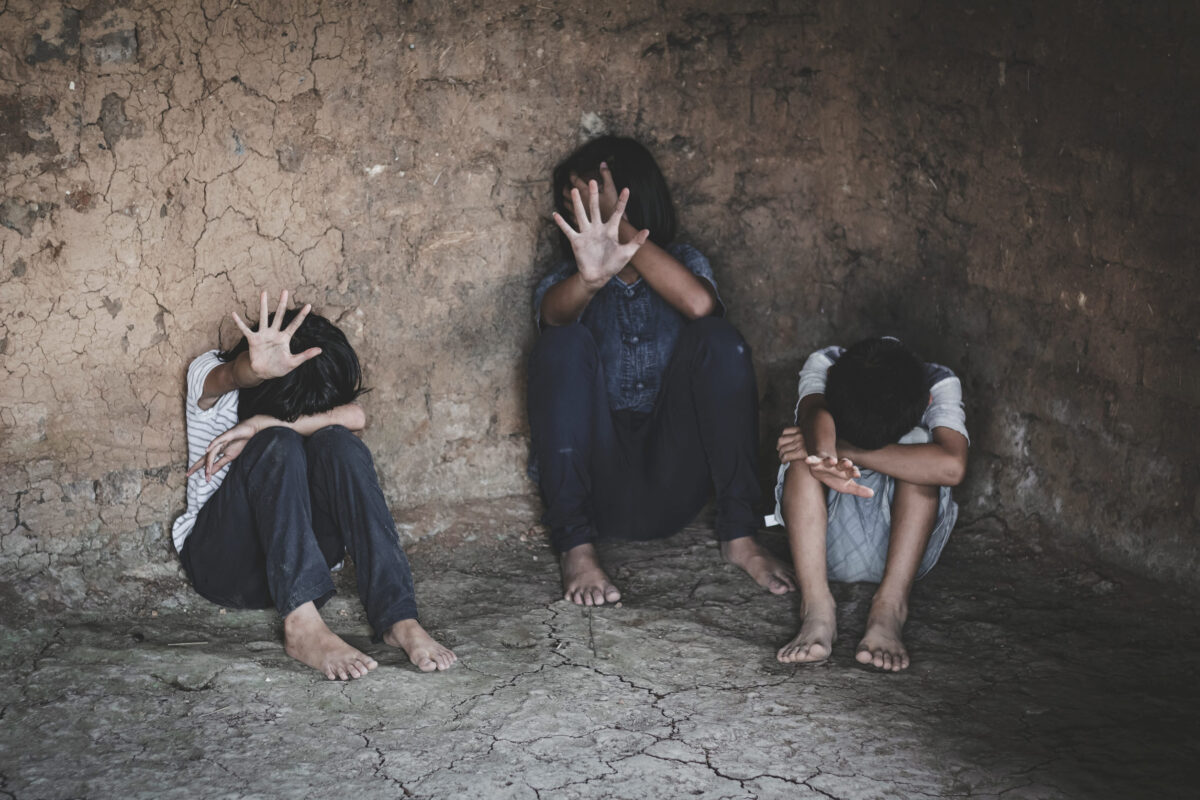
The truth is not that traffickers never take sex workers. The truth is that traffickers target vulnerability, not labels. They look for poverty, loneliness, addiction, immigration fears, housing instability, family rejection, trauma, youth, emotional dependence, and anyone they believe can be controlled.
That means a woman can be trafficked whether she has never sold sex, has sold sex before, is trying to leave, is homeless, is in a relationship, is undocumented, is addicted, or is simply desperate for safety. The danger is not her identity. The danger is the person who uses force, fraud, or coercion to take away her freedom.
Sex trafficking survives because people misunderstand it. They imagine only one kind of victim, one kind of trafficker, and one kind of trap. Real life is messier, colder, and more calculated. The women most at risk are often the ones society has already stopped protecting, and that is exactly what traffickers count on.