8 Most Miserable States to Live in America in 2026
America is still sold as a place where people can pack a car, cross a state line, and start over with a better paycheck, a safer neighborhood, and a little more breathing room. That dream still works in some places, but in others, daily life feels like a bill that keeps renewing itself. The rent may be lower, the houses may look cheaper, and the open space may seem inviting, yet the bigger picture tells a harsher story.
The most miserable states to live in for 2026 are not miserable because they lack good people, culture, food, beauty, or pride. They land here because too many residents face the same pressure points at once, including weak job markets, poor health outcomes, higher crime concerns, limited opportunity, struggling schools, and poverty that does not disappear just because housing looks affordable. These eight states show how “cheap” can become expensive when life keeps taking more than it gives back.
Oklahoma Feels Affordable Until The Trade-Offs Show Up

Oklahoma often sells itself on low living costs, friendly communities, and room to breathe, but affordability does not erase the deeper problems residents face. The state sits near the bottom of national livability rankings because its education and health outcomes remain weak, and safety concerns continue to weigh on families who want stability. A low mortgage payment helps, but it cannot fully protect people from underfunded services, limited access to quality care, or neighborhoods where opportunity feels uneven.
The hardest part of living in Oklahoma is that the state looks practical on paper but feels more complicated in real life. Families may spend less on housing than they would in coastal states, but many also deal with lower wages, weaker health systems, and fewer strong career ladders. That creates a quiet frustration, especially for young adults who want more than survival. Oklahoma is not hopeless, but in 2026, it remains a place where too many people have to work too hard just to stay in the same spot.
South Carolina Has Sunshine But Not Enough Security
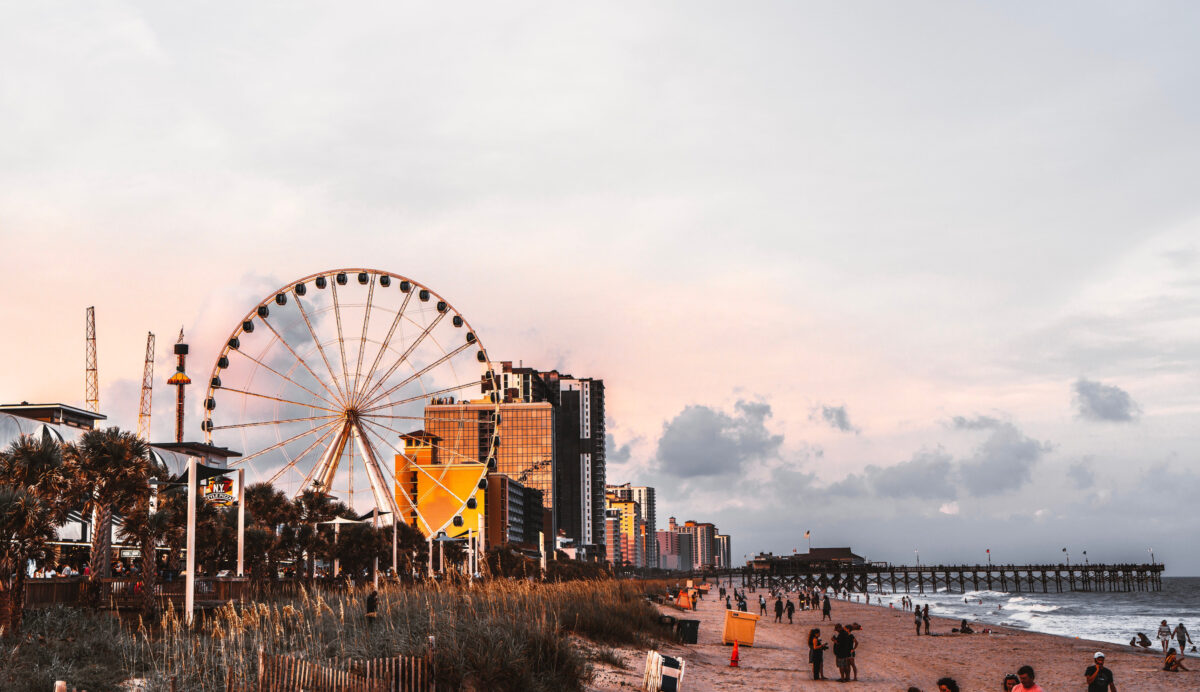
South Carolina has beaches, charm, history, and one of the strongest identity brands in the South. People move there for warm weather, lower taxes, and a slower lifestyle, but the state’s livability problems become harder to ignore once the postcard glow fades. Safety ranks poorly, and the state also struggles across health, education, and economic measures. That mix can make daily life feel less peaceful than the tourism ads suggest.
The biggest issue is the gap between South Carolina’s appeal and its everyday reality. A family may love the coastline, the food, and the community spirit, yet still worry about crime, school quality, and access to better-paying jobs. Growth has brought attention to the state, but growth does not automatically fix long-standing problems. For residents outside the wealthier or faster-growing pockets, South Carolina can feel like a beautiful place where the basics still ask too much.
Nevada Looks Flashy But Feels Financially Fragile
Nevada has a reputation for bright lights, entertainment, fast money, and big desert freedom. That image hides a more stressful reality for many residents. The state ranks low in overall livability because safety, affordability, and economic stability do not always keep pace with its glossy public image. Las Vegas may dominate the conversation, but the pressures stretch beyond the Strip.
Living in Nevada can feel unpredictable because so much of the state’s economy depends on industries that rise and fall with tourism, entertainment, and consumer spending. Housing has become more difficult for many working families, and the state’s safety score adds another layer of concern. The result is a place that can feel exciting for visitors but exhausting for residents. Nevada offers plenty to look at, but in 2026, it does not always offer enough to lean on.
Alaska is beautiful, but brutally hard to live in

Alaska is one of the most stunning places in America, and that is part of what makes its livability problem so strange. The state has natural beauty that few places can match, but daily life there can be expensive, isolated, and physically demanding. Alaska ranks poorly in quality of life, and its remote geography makes basic goods, services, travel, and health care harder to access than in many other states.
The misery factor in Alaska is not about boredom or lack of pride. It is about how much effort ordinary life can require. Groceries cost more, winters hit harder, distances stretch longer, and isolation can wear people down. The state offers adventure, but adventure loses its shine when every errand feels like a project. For people who crave space and wilderness, Alaska can be magical. For people who need convenience, stability, and affordability, it can feel punishing.
Mississippi Remains Trapped By Poverty And Poor Health
Mississippi is often called affordable, but that term can be misleading. Cheap housing does not mean much when poverty remains deeply rooted, and health outcomes sit among the weakest in the country. The state ranks near the bottom for education and health, and it continues to struggle with long-term economic distress. For many families, the issue is not lifestyle preference. It is the feeling that the ladder has too many missing steps.
Mississippi has culture, music, food, history, and community pride that deserve respect, but those strengths do not erase the hardship many residents face. Persistent poverty affects schools, access to health care, job opportunities, and even life expectancy. People may pay less for a home, but they can lose ground due to medical bills, low wages, and limited career mobility. In 2026, Mississippi remains one of the clearest examples of how low cost of living can hide a much higher cost of staying.
Arkansas is cheap, but still feels stuck.
Arkansas has natural beauty, lower housing costs, and some communities where life still feels grounded and neighborly. The problem is that the state’s broader numbers tell a tougher story. Arkansas ranks low in education, health, safety, and overall livability. It also appears repeatedly in poverty-related measures, making it one of the states where affordability does not fully translate into comfort.
For many residents, Arkansas feels like a place where life is manageable until something goes wrong. A medical problem, job loss, weak school option, or safety concern can quickly expose how thin the support system feels. The state has bright spots, especially around outdoor recreation and growing business areas, but those bright spots do not reach everyone equally. In 2026, Arkansas remains a place where people may spend less, yet still feel boxed in by fewer choices.
Louisiana has culture, but too many daily struggles.
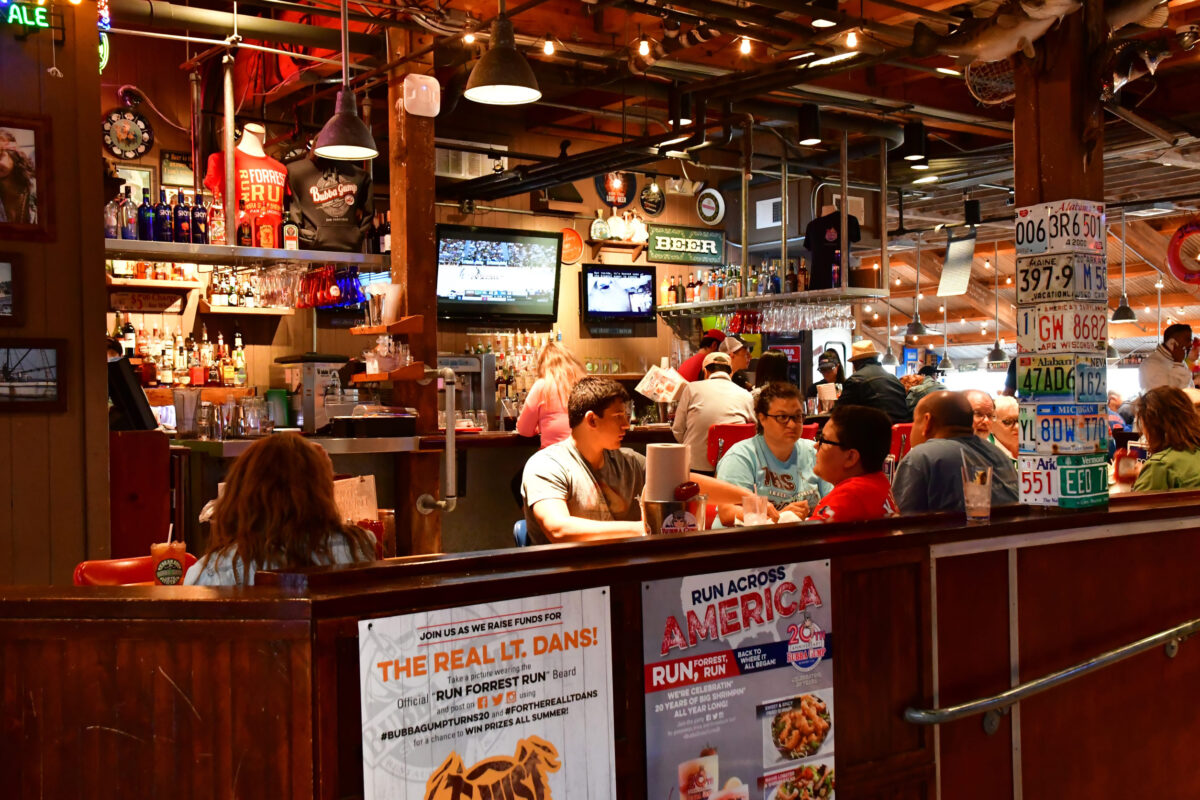
Louisiana may be one of the most culturally rich states in America. Its food, music, festivals, and local pride are powerful enough to make outsiders romanticize it. Yet livability rankings keep pushing Louisiana near the bottom because the state faces overlapping problems in poverty, health, economy, and safety. The joy is real, but so is the strain.
The hardest truth about Louisiana is that charm cannot carry the weight of broken systems forever. Residents face economic weakness, high-poverty pockets, storm vulnerability, insurance pressure, and public health challenges that make life feel unstable. The state can throw a party like nowhere else, but many families are still fighting private battles with bills, safety fears, and limited opportunity. Louisiana has soul, but in 2026, too many residents are being asked to survive on soul alone.
New Mexico Lands At The Bottom For A Reason
New Mexico is gorgeous, historic, artistic, and deeply unique. It has landscapes that feel almost spiritual and communities with rich cultural roots. Yet it ranks last in overall livability because too many core indicators move in the wrong direction at the same time. Safety ranks near the bottom, poverty remains a major concern, and education and health outcomes continue to drag the state down.
That combination makes New Mexico one of the hardest states to defend from a practical living standpoint in 2026. Beauty matters, but people also need safe neighborhoods, strong schools, reliable jobs, and access to quality care. When those pieces weaken together, daily life becomes heavier than it should be. New Mexico may still be a dream for artists, retirees, and nature lovers with the right resources, but for many working families, it can feel like a beautiful place fighting ugly problems.