9 Brutal Reasons Malia Obama’s Film Career Keeps Annoying the Nepo Baby Crowd
Malia Obama may be trying to make films on her own terms.
The problem is that America already knows the name she is trying to step around.
According to recent reporting, Michelle Obama has said her eldest daughter does not want to rely on her family’s film-industry connections as she builds her career. That sounds like exactly what critics of famous children claim they want. Work hard. Use your own name. Avoid shortcuts. Let the art speak.
But with Malia, the conversation is never that simple.
She has used the professional name Malia Ann, and her short film, The Heart, premiered at Sundance. For most young filmmakers, that would be a clean career milestone. For Malia, it became another reason for people to argue about fame, privilege, access, and whether a famous child can ever truly start from zero.
Her Last Name Still Enters the Room First
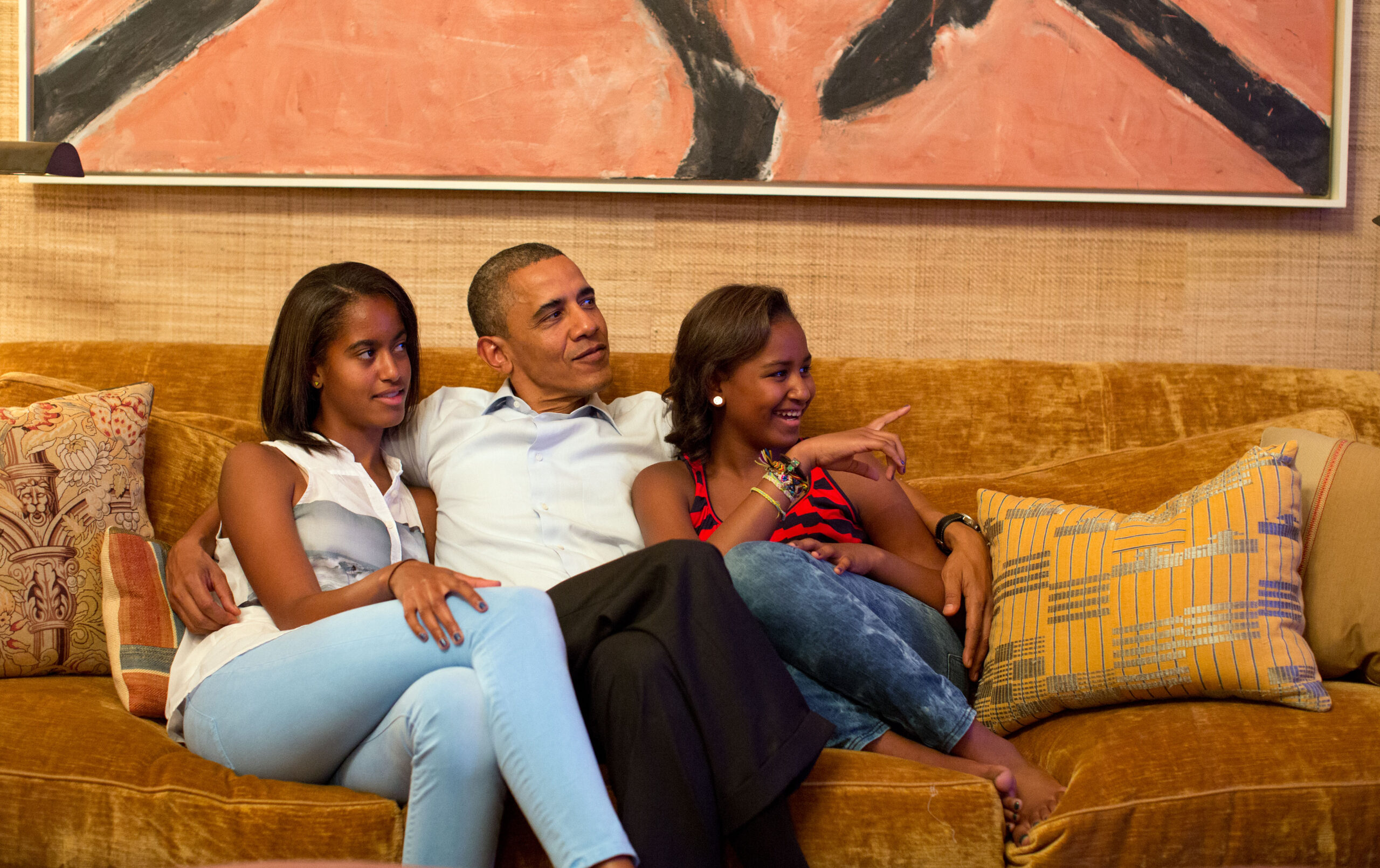
Malia can use Malia Ann professionally, and that choice makes sense. It signals that she wants the work judged outside the immediate shadow of the Obama name.
But the public already knows who she is.
That is the strange trap of growing up famous. Even when she tries to create distance, the old identity follows. Some people will be curious because of her parents. Others will resent her because of them. Either way, she does not get the same quiet first step most young filmmakers get.
Saying She Wants to Earn It Does Not End the Argument
The idea that Malia wants to avoid using family contacts sounds admirable.
It also does not fully satisfy critics.
Many people argue that privilege does not always look like one phone call from a powerful parent. Sometimes it looks like elite education, famous circles, early access, media curiosity, and a name that makes people pay attention before they have seen the work.
That does not mean she has no talent.
It means the public sees her starting line as different. Fair or not, that starting line becomes part of the review before the movie even begins.
Hollywood Made This Debate Too Easy
Malia did not create the nepo baby conversation.
She walked into an industry already drowning in it.
Hollywood has spent years promoting the children of actors, directors, producers, singers, models, and powerful insiders. Viewers notice. They also notice how hard it can be for unknown talent to break in without a famous last name or the right room full of contacts.
So when Malia enters the film, people do not only react to her.
They react to the system she represents in their minds. She becomes part of a bigger frustration about who gets noticed, who gets funded, and who has to fight for years just to be considered.
Dropping Obama From the Credits Could Never Fully Work

Master Sergeant Cecilio Ricardo, United States Air Force., Public domain, via Wikimedia Commons,Licesnced under Malia Obama in 2009
Using Malia Ann was a smart professional move.
It gave her some separation from her family identity and showed a desire to be seen as an artist, not just a former first daughter.
But a name change cannot erase public memory.
Once people noticed the credit, the choice became news by itself. Instead of narrowing the conversation, it made some people even more interested in why she was trying to distance herself from the Obama surname.
That is the unfair part. Even her attempt to step back from the family brand became another piece of the family-brand story.
Sundance Made Her Look Serious and Made Critics Louder
A Sundance premiere is not a tiny thing.
For a young filmmaker, having a short film shown there can signal that the work deserves attention. Malia’s The Heart gave her a public creative moment as a writer and director, separate from the White House image many people still attach to her.
But visibility cuts both ways.
Supporters saw a young woman taking film seriously. Critics saw a famous daughter receiving attention in a space where thousands of unknown filmmakers would love to stand.
That is why Sundance became such a loaded moment. It gave her credibility, but it also gave the backlash a bigger stage.
Critics Want Famous Kids to Struggle Where Everyone Can See It
A lot of people say they want famous children to work hard.
What they often seem to want is visible struggle.
They want rejection, embarrassment, ignored applications, bad apartments, unpaid gigs, and proof that the person had to fight through the same doors as everyone else. Without that proof, success can look suspicious, even when real work happened behind it.
That is why Malia’s career gets judged so tightly.
She may be learning, practicing, writing, directing, and building slowly. But because her background is powerful, some critics will keep asking whether the grind was hard enough to count.
Her Parents’ Pride Keeps Pulling the Spotlight Back
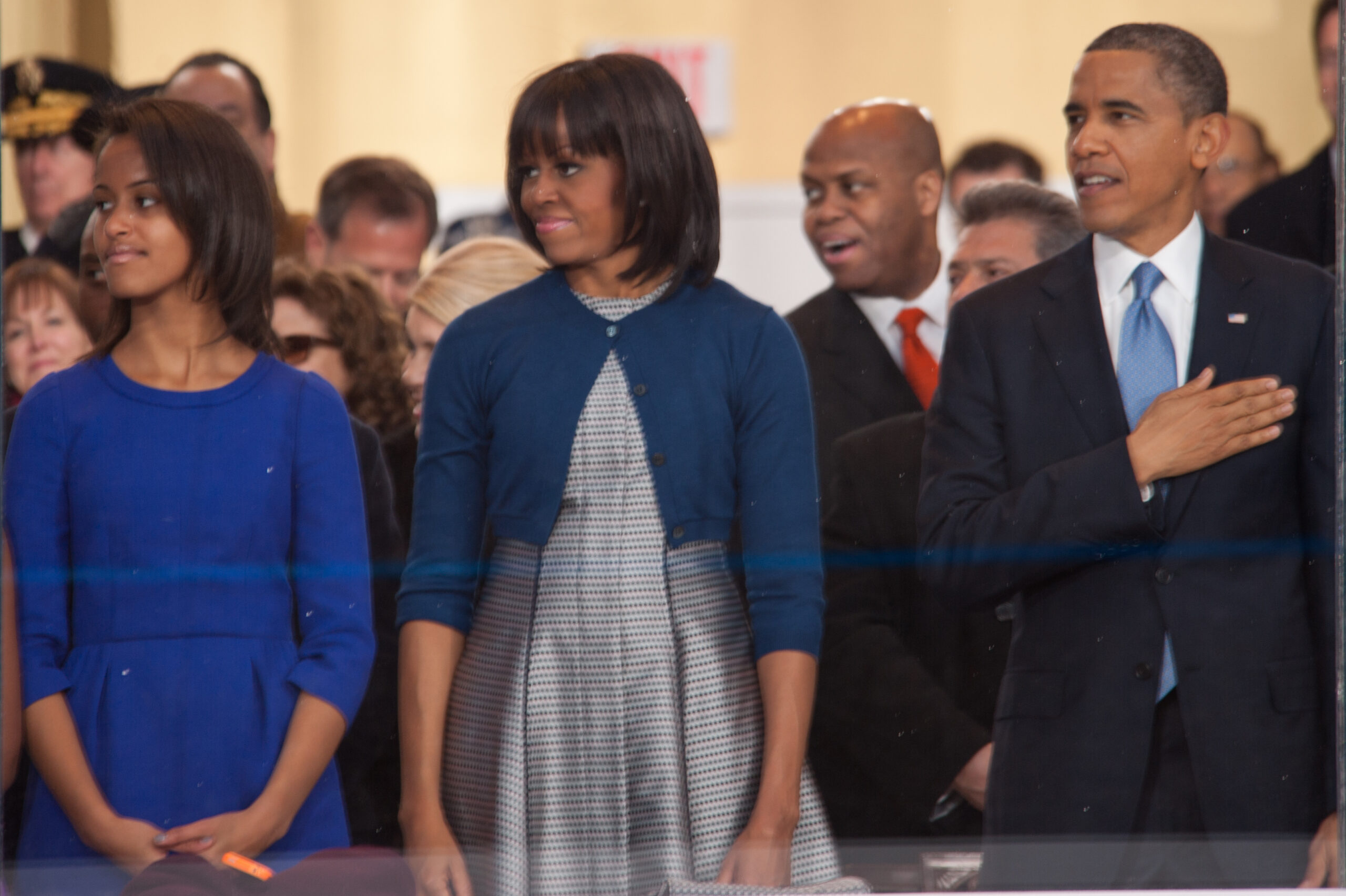
Michelle Obama speaking about her daughter’s independence is understandable.
She is a mother. Of course, she wants people to know Malia is trying to build something, honestly. Of course, she wants to push back against the idea that her daughter is simply being handed a film career.
But every public mention from Barack or Michelle also brings the spotlight back to the parents.
That is the difficult bind. If they say nothing, people speculate. If they say something, the story becomes about the Obama family again.
Malia may want the focus on the work, but America still listens closely when her parents speak.
The Work Has to Become Louder Than the Name
Malia’s early career may not be judged fairly by anyone.
Some people will praise her too quickly because they admire her family. Others will criticize her too harshly because they dislike what her family represents. Both reactions can get in the way of actually watching the work clearly.
The only way through that is time.
One short film cannot settle the argument. A career is built through repeated choices, stronger projects, sharper storytelling, and the ability to keep creating even when praise and criticism get noisy.
At some point, the question has to shift from “How did she get in?” to “What did she make once she was there?”
America Still Cannot Decide What It Wants From Famous Children.
This is why the Malia Obama debate keeps pulling people in.
Americans say they want famous children to avoid shortcuts, but they often refuse to believe them when they try to do so. They say they want them to prove themselves, but the standard for proof keeps moving.
That does not mean the criticism is pointless.
Access matters. A famous name can open doors before talent has a chance to speak. Pretending otherwise would insult every unknown artist trying to break through without a safety net.
But it is also too easy to flatten a person into one word: privileged.
Malia Obama can have advantages and still work hard. She can benefit from name recognition and still want artistic respect. She can carry access and pressure at the same time.
That is the part that keeps the comments heated. The argument is not just about Malia Ann, a single Sundance short, or about whether the Obama name helped. It is about whether people believe privilege and effort can exist in the same person, or whether a famous last name makes the verdict feel rigged before the opening scene.