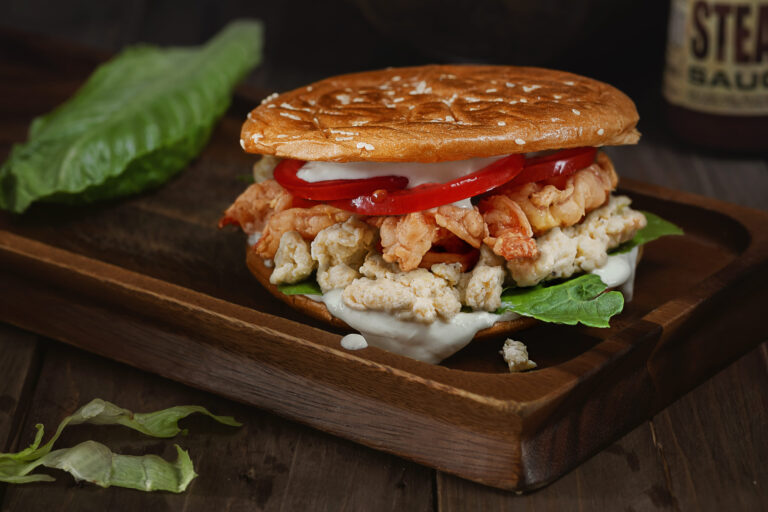
8 Protein Consumption Mistakes That Can Harm Your Kidneys
Protein has become the nutrient everyone wants more of. It is in shakes, bars, cereals, yogurts, meal-prep bowls, fitness plans, and weight-loss advice, often sold like the shortcut to a stronger, leaner body. We do need protein, of course. It helps repair muscles, supports immunity, keeps us fuller for longer, and plays a major role in healthy aging. The problem starts when we treat protein as if it has no limits, no downside, and no need for balance.
Our kidneys work quietly in the background, filtering waste from the blood and helping the body remove byproducts from protein metabolism. A healthy person may tolerate a reasonable protein intake well, but poor protein habits can become risky when combined with dehydration, excessive sodium, processed meats, kidney stones, diabetes, high blood pressure, or undiagnosed kidney disease.
Here are some protein consumption mistakes that can harm your kidneys.
Eating Giant Portions Of Meat Too Often
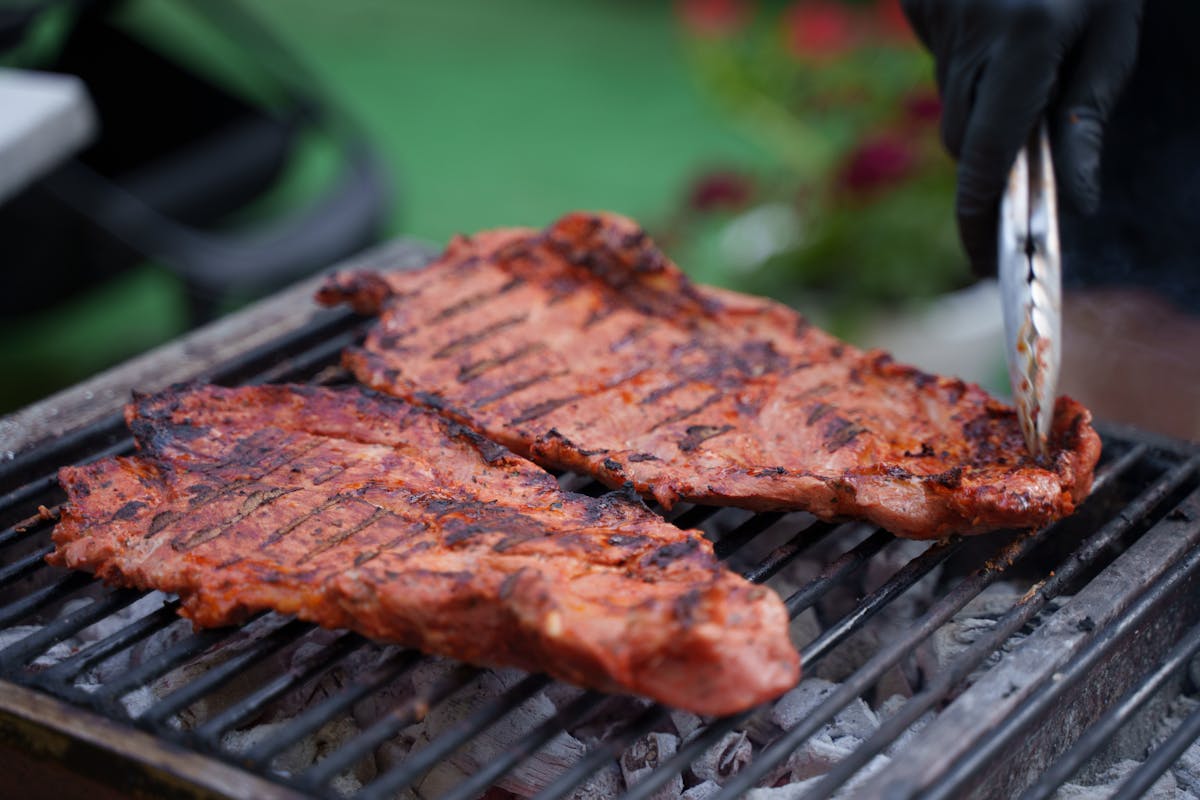
A protein-rich meal is not inherently unhealthy, but oversized portions of meat can put the body under greater strain than many people realize. When we eat large amounts of beef, pork, chicken, eggs, or seafood every day, the body produces more nitrogen waste from protein breakdown. The kidneys then have to filter and remove that waste from the body through urine.
The real problem is the pattern. A plate built around double meat, very few vegetables, little fiber, and salty seasoning can increase the risk of dehydration, constipation, and kidney stones. We do not need to fear animal protein, but we do need to stop treating every meal like a bodybuilding contest.
Relying On Processed Meats For Protein
Processed meats can look convenient because they are quick, filling, and high in protein. Bacon, sausages, deli meats, pepperoni, hot dogs, jerky, canned meats, and some frozen meat products often contain high levels of sodium and preservatives. That combination can be rough on blood pressure, which is closely tied to kidney health.
The kidneys do not just deal with protein. They also help manage fluid and mineral balance, which becomes harder when our diet is packed with salty processed foods. A smarter protein routine leans more on fish, eggs, beans, lentils, poultry, plain yogurt, nuts, seeds, and fresh lean meats instead of packaged meats that bring too much salt along for the ride.
Drinking Protein Shakes When We Do Not Need Them

Protein powder can help people who struggle to get enough protein from food, but it becomes a problem when we use it as a daily extra instead of a real need. Many people already eat eggs for breakfast, chicken for lunch, yogurt as a snack, and meat at dinner, then still add a shake after a light workout. At that point, the shake may be stacking protein on top of protein.
Some protein powders also contain added sugars, sodium, artificial sweeteners, flavoring agents, or poorly explained blends. We should treat supplements like tools, not decorations for a healthy lifestyle. Before adding a shake, we should look at the whole day’s food and ask whether there is actually a protein gap to fill.
Forgetting To Drink Enough Water
High-protein diets produce more waste products that must be excreted in urine. When we do not drink enough water, urine can become more concentrated, which may raise the risk of kidney stones in some people. This matters even more for people who exercise heavily, sweat often, live in hot climates, or eat a salty diet.
Hydration does not mean forcing water all day until we feel uncomfortable. It means paying attention to thirst, urine color, activity level, and weather. Pale yellow urine is often a useful sign in many healthy adults, although people with kidney disease, heart disease, or fluid restrictions should follow professional guidance rather than guessing.
Cutting Out Too Many Carbs
Some people increase protein because they are trying to lose weight, then cut carbohydrates too low at the same time. That can create an unbalanced diet in which the body leans heavily on protein and fat for energy. Protein is valuable, but it should not be forced to do every job in the body.
Healthy carbohydrates from oats, fruits, beans, lentils, potatoes, brown rice, and vegetables can support energy, digestion, and workout performance. They also help keep meals balanced, which is better for long-term health. A plate with salmon, vegetables, sweet potato, and water is far kinder to the body than a plate with double meat, no fiber, and a salty sauce.
Eating Protein Without Enough Fiber

A high-protein diet can easily become a low-fiber diet when vegetables, fruits, whole grains, beans, and seeds disappear from the plate. That can lead to constipation, poor gut health, and less stable blood sugar. Over time, those issues can connect with bigger risks like weight gain, diabetes, high cholesterol, and high blood pressure.
Fiber matters because kidney health is not separate from the rest of the body. The kidneys are affected by blood pressure, blood sugar, heart health, and inflammation. When we pair protein with fiber-rich foods, we build a meal that supports more than muscle.
Believing More Protein Always Means More Muscle
Protein helps build and repair muscle, but it does not build muscle by magic. Strength training, sleep, recovery, total calories, and consistency all matter. Once the body has enough protein for its needs, piling on more does not guarantee more muscle.
This is where fitness culture can mislead people. A person may keep increasing protein while ignoring training quality, rest, and overall nutrition. We should aim for enough protein, not endless protein, because the body still has to process whatever we consume.
Copying A Fitness Influencer’s Diet

A bodybuilder, athlete, trainer, or influencer may eat a high-protein diet because their routine demands it. They may train intensely, track calories, monitor recovery, and have a very different body size or goal. Copying their meal plan without copying their full lifestyle can create a diet that is too much for our actual needs.
Protein targets should be personal. Age, weight, activity level, kidney function, medical history, and fitness goals all matter. We should not let a stranger’s meal prep video determine how much pressure we place on our kidneys every day.