17 Presidential Habits That Made America’s Most Powerful Men Look Surprisingly Odd
Presidents are usually remembered through wars, scandals, speeches, laws, elections, and the decisions that changed ordinary American life. We put them in marble, print their faces in schoolbooks, and talk about them as if they were built from speeches rather than flesh and nerves. Yet behind the stiff portraits and ceremonial handshakes, many of them had odd, intense, charming, or uncomfortable habits that made them seem far more human than the office allowed.
When we study presidential hobbies, we are not just collecting trivia. We are watching powerful men search for control, comfort, image, escape, and identity in the few private corners the job left them. Some danced, painted, swam, ran, solved puzzles, or rode horses. Others leaned into habits that now look strange, risky, unhealthy, or deeply out of step with modern values.
George Washington Used Dancing as a Social Strategy
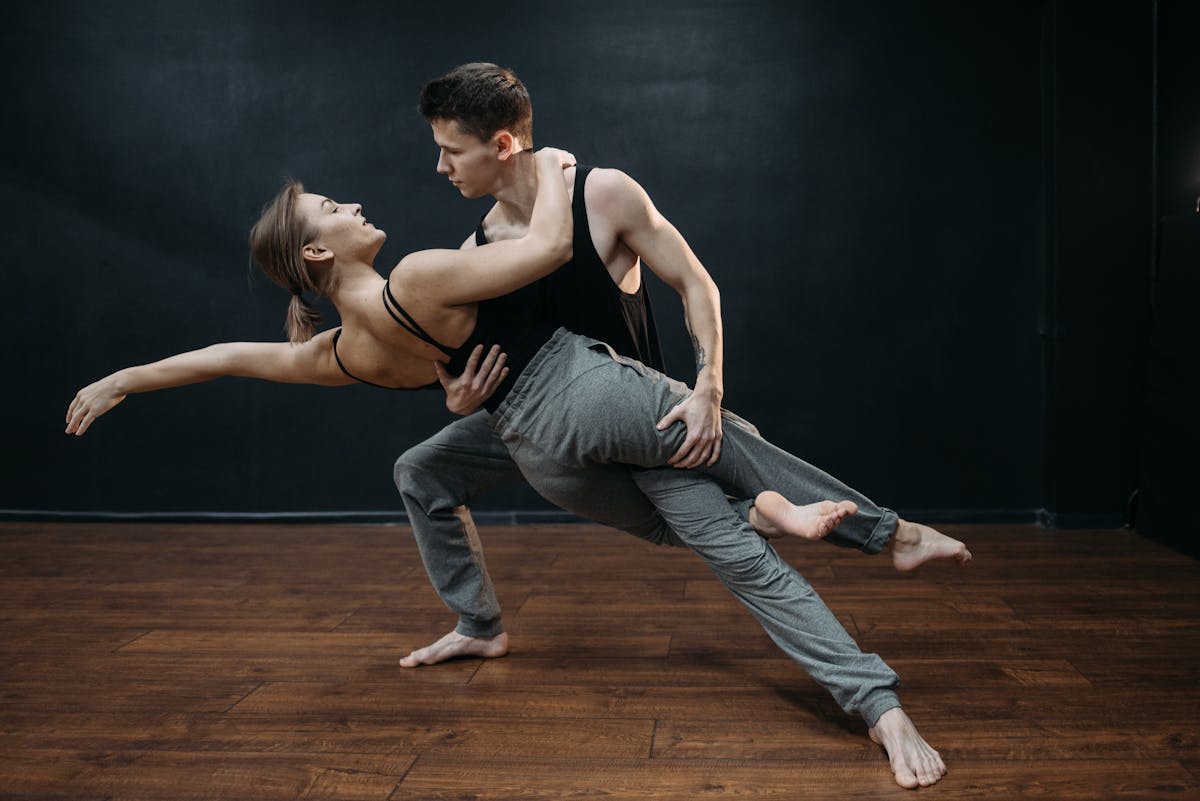
George Washington’s love of dancing may sound soft beside his military image, but it fit perfectly into the world he came from. In 18th-century elite society, dancing was not just entertainment. It was manners, discipline, courtship, networking, and status packed into one public ritual. A man who could move well in a ballroom showed control, confidence, and breeding.
That makes Washington’s hobby more revealing than it first appears. We often remember him as distant and almost statue-like, yet dancing placed him in public spaces where charm mattered. It helped him move through colonial society long before television, campaign ads, or social media shaped political image. The dance floor was one of his earliest stages.
Thomas Jefferson Turned Food Into Cultural Influence
Thomas Jefferson’s interest in food and wine was not a casual love of dinner. His years in France sharpened his taste for wine, fine cooking, ice cream, macaroni, and European dining habits. When he returned to America, he brought more than recipes. He brought an idea of refinement that helped shape elite American dining.
That hobby also shows the contradictions around Jefferson. His table became a symbol of sophistication, yet much of the labor behind that comfort was performed by enslaved people whose skills rarely received equal recognition. We can enjoy the culinary history while still seeing the deeper truth. The food tells us about taste, power, class, and who was left invisible in the room.
John Quincy Adams Treated Swimming Like Survival
John Quincy Adams had one of the strangest morning routines of any president. He often rose early, walked to the Potomac River, removed his clothes, and swam before beginning the day. Today, that image feels almost unbelievable. A president bathing outdoors in the river feels more like folklore than executive routine.
Yet Adams’ swimming habit fits his personality. He was disciplined, restless, intellectual, and often isolated. The cold water gave him structure before the pressures of politics crowded in. In a modern fitness culture full of cold plunges and rigid morning routines, Adams suddenly looks less bizarre and more ahead of his time.
Andrew Jackson’s Cockfighting Habit Looks Brutal Now
Andrew Jackson’s reported enthusiasm for cockfighting is one of the darker hobbies tied to a president. The practice is illegal across the United States today, and modern readers see it through the lens of animal cruelty and gambling. In Jackson’s era, though, blood sports were part of a violent masculine culture built around honor, risk, and spectacle.
That context does not make the habit attractive. It makes it revealing. Jackson built his public image around toughness, revenge, combat, and direct confrontation. A hobby rooted in violence matched the political style that made him both popular and deeply controversial. His private entertainment reflected the hard-edged world he carried into the presidency.
Theodore Roosevelt Boxed Like He Was Fighting Weakness
Theodore Roosevelt’s boxing habit was not a decorative pastime. It grew out of his lifelong effort to escape the image of a sickly child. Roosevelt pushed himself through boxing, wrestling, riding, hunting, hiking, and other punishing physical activities because he believed strength had to be built through struggle.
That explains why boxing became part of his political mythology. Roosevelt did not want to be seen as delicate, hesitant, or overly polished. He wanted action, impact, and sweat attached to his name. His love of combat sports helped sell the idea of a president who could punch through weakness, bureaucracy, and hesitation.
Calvin Coolidge Rode an Electric Horse in the White House
Calvin Coolidge’s electric horse may be the most unintentionally funny presidential hobby on the list. He enjoyed riding for exercise, but the demands of office made regular horseback riding harder. The solution was a mechanical horse placed in the White House, with settings that simulated a trot and a gallop.
The image is strange, but it says a lot about presidents and time. Coolidge wanted the benefit of riding without leaving the controlled environment of the executive mansion. In today’s language, it sounds like an early presidential fitness machine. Long before home gyms became normal, a sitting president had a mechanical workout device inside the White House.
Franklin D. Roosevelt Used Swimming to Rebuild Strength
Franklin D. Roosevelt’s swimming was not just a leisure activity. After polio affected his mobility, swimming became part of his physical effort to strengthen his body and preserve independence. Water gave him the freedom that walking often denied him. In the pool, he could move with less pressure on his legs and more control over his body.
That makes FDR’s hobby one of the most meaningful in presidential history. His swimming was private therapy, political resilience, and emotional discipline at once. The White House pool built for him became more than a luxury. It symbolized the hidden labor behind a public image of confidence during one of America’s hardest eras.
Dwight D. Eisenhower Painted to Escape Command
Dwight D. Eisenhower carried the weight of war, command, and Cold War leadership. Painting gave him a quieter world. He painted landscapes, portraits, and scenes that allowed him to focus on color, shape, and patience rather than strategy and crisis.
That hobby humanizes him in a different way. Eisenhower was often associated with order, military discipline, and calm authority. Painting let him practice a softer kind of control. A canvas could be corrected, paused, or abandoned. History rarely gave him that luxury.
John F. Kennedy’s Cigar Habit Became Part of His Cool Image
John F. Kennedy’s cigar habit fits the glamour and contradiction of his public image. Cigars belonged to the mid-century world of power rooms, private clubs, diplomacy, and masculine style. Kennedy’s image was youthful and polished, but his cigar habit tied him to an older culture of elite confidence.
Today, the habit lands differently because we understand the health risks of tobacco far more clearly. That shift makes the hobby historically useful. It shows how the presidential image changes with time. What once looked sophisticated can later look careless, unhealthy, or politically loaded.
Lyndon B. Johnson Made His Ranch a Second White House
Lyndon B. Johnson’s love for his Texas ranch was not a simple escape from Washington. It was an extension of his power. He brought aides, journalists, lawmakers, and foreign guests into his own landscape, where he could control the mood, pace, and setting. The ranch became part office, part retreat, part theater.
This habit reveals Johnson’s genius for pressure and personal politics. He did not separate work and home the way most people try to. Instead, he pulled the machinery of government into his own territory. The “Texas White House” showed that a president’s hobby can become a governing style.
Richard Nixon Bowled Beneath the Weight of Pressure
Richard Nixon’s bowling habit feels almost too symbolic. A private lane, a controlled space, a repetitive motion, and a president known for suspicion and pressure. Bowling gave Nixon something politics rarely did. It offered rules, lanes, pins, scores, and a clean reset after each frame.
The White House bowling alley also shows how presidents reshape the mansion around personal relief. The building is public property, but each family leaves private fingerprints on it. Nixon’s lane was not just recreation. It was a reminder that even the most guarded presidents still needed somewhere to release tension.
Gerald Ford Collected Stamps Like a Quiet Historian
Gerald Ford’s stamp collecting feels modest compared with boxing, ranching, or golfing. Yet the hobby suits him. Stamps are small pieces of national memory. They carry faces, events, symbols, geography, and political identity in miniature form. Collecting them requires patience and attention rather than spectacle.
Ford’s hobby also adds warmth to a presidency often defined by transition and healing after Watergate. Stamp collecting made him seem steady, private, and grounded. It was not a performance hobby. It did not need a camera. That quietness may be exactly what made it fit him.
Ronald Reagan Turned Horseback Riding Into Presidential Theater
Ronald Reagan’s horseback riding carried a cinematic quality that few presidential hobbies could match. He had been a Hollywood actor, a ranch owner, and a politician who understood image instinctively. Riding horses helped reinforce his Western, self-reliant, outdoorsy brand.
The hobby also worked diplomatically. A president on horseback with world leaders created pictures that looked relaxed but carried symbolic force. Reagan’s riding was leisure, identity, nostalgia, and public messaging at the same time. He knew the camera would understand the image before anyone explained it.
Bill Clinton’s Crossword Habit Matched His Verbal Brain
Bill Clinton’s love of crossword puzzles fits the way many people understood him politically. He was verbal, quick, curious, and famously comfortable with detail. Crosswords reward flexible thinking, memory, pattern recognition, and patience. Those traits also shaped his political style.
The hobby feels small, but it opens a window into how Clinton relaxed. Some presidents escaped into physical activity. Clinton escaped into language. A crossword grid gave him a private contest where cleverness mattered more than applause. For a politician built around words, that makes perfect sense.
George W. Bush Ran With Competitive Discipline
George W. Bush’s running habit was not casual jogging. Reports from those around him described a highly competitive runner with a serious pace. That detail matters because it complicates the public caricature of him. Running demands consistency, pain tolerance, routine, and mental discipline.
It also gave Bush a clean narrative of stamina. In the office, he faced crisis after crisis, and his fitness routine became part of how he projected energy. Running offered a daily measure of control in a job where events often dictate the president’s course. Every mile became a private contest against fatigue.
Barack Obama’s Comic Book Habit Showed Pop Culture Fluency
Barack Obama’s childhood interest in comic books gave him a different kind of cultural connection. Comics are built around identity, origin stories, moral conflict, hidden strength, and public responsibility. Those themes made the hobby feel unusually fitting for a president whose own biography became central to his appeal.
His connection to Spider-Man and other comic references also showed how presidential culture had changed. Earlier presidents built an image through horses, ranches, cigars, or military sports. Obama’s hobby placed him inside modern pop culture. It made the presidency feel a little closer to the world that younger voters already understood.
Donald Trump Made Golf Part of His Brand
Donald Trump’s golf habit is different because it was never just private leisure. Golf was part of his business identity long before his presidency. Courses, clubs, tournaments, branding, and membership culture all helped shape his public persona. As president, golf remained one of the most visible pieces of his lifestyle.
That visibility made the hobby politically charged. Supporters often saw it as confidence, success, and discipline. Critics saw privilege, optics, and questions about time. Either way, golf became part of the Trump story because it sat at the intersection of money.