8 U.S. Cities Where the Cost of Living Shock Hits Harder Than Expected
Some American cities still sell themselves like a bargain. The rent looks lower than in New York, the houses look cheaper than in California, and the lifestyle looks relaxed enough to make people believe they have found the financial escape hatch.Then the real bills arrive.
The problem is not that these cities are the most expensive places in America. That would be too obvious. The problem is that they look affordable from a distance, then quietly drain paychecks through rising housing costs, insurance premiums, property taxes, transportation, utilities, and everyday prices that no one mentions in the relocation brochure.
For families, retirees, remote workers, and young professionals chasing a lower-cost life, that can become a brutal surprise. A city can be cheaper than Los Angeles and still be too expensive for the salary it offers. That is where the trap begins.
Phoenix, Arizona: The Desert Bargain That Got Burned
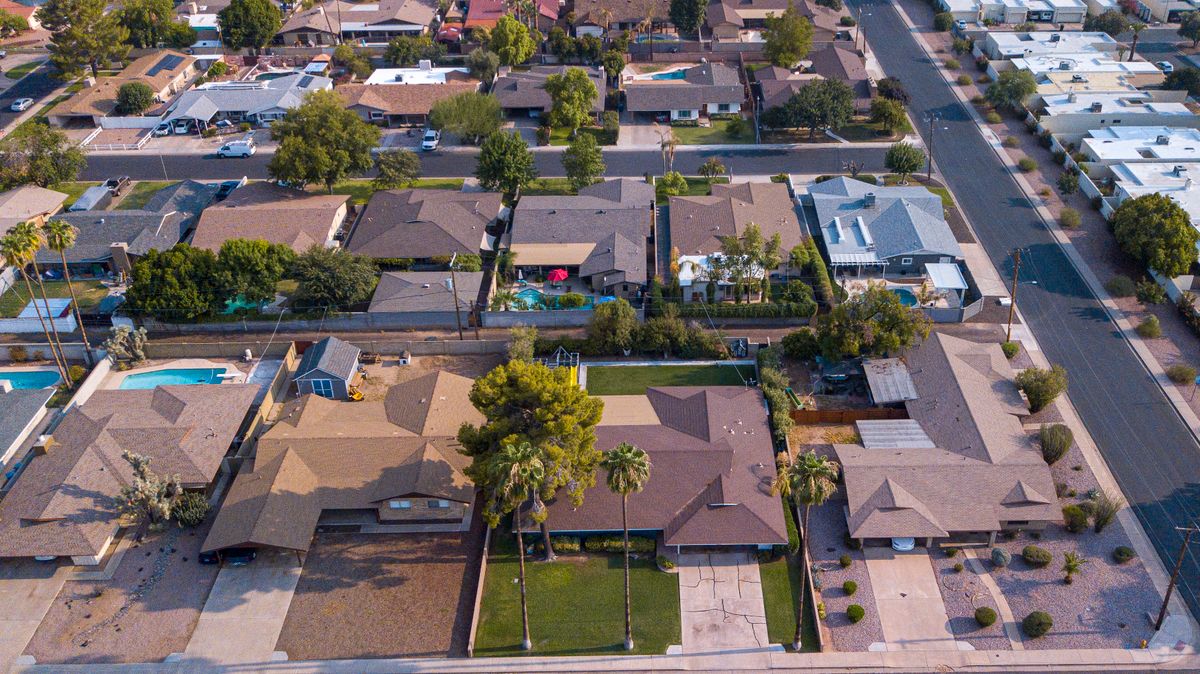
Phoenix used to feel like the smart move for people tired of expensive coastal living. The sunshine was endless, the houses were roomy, and the cost of living looked reasonable enough to make people pack a moving truck with confidence.
That version of Phoenix is harder to find now. Home prices climbed quickly during the pandemic years, and even after some cooling, many buyers are still facing mortgage payments that feel far larger than the city’s old reputation suggests.
The hidden cost here is not just housing. It is cooling. In a city where summer heat can stretch from uncomfortable to punishing, electricity bills are not a small side note.
Car dependency adds another layer. Many households need reliable vehicles, long commutes can eat into savings, and cheaper neighborhoods may push residents farther from jobs, schools, and services. Phoenix may still look affordable on paper, but the desert has learned how to charge interest.
Tampa, Florida: The Sunshine Discount That Disappears Fast
Tampa has the kind of image that makes people lower their guard. Beaches nearby, no state income tax, warm weather, and a lively downtown all help it look like a cheaper way to live the Florida dream.
But Tampa’s affordability story has been badly shaken. Housing demand, population growth, insurance costs, and storm risk have turned what once looked like a practical move into a much tighter monthly calculation.
The biggest shock for many homeowners is the cost of insurance. A mortgage might seem manageable at first, but then homeowners’ insurance, flood concerns, HOA fees, and maintenance start to change the math.
Renters are not fully protected either. Popular neighborhoods can price out average workers, and living farther away often means longer drives and higher transportation costs. Tampa still has the glow, but the bill behind that glow can be harsher than newcomers expect.
Nashville, Tennessee: The No-Income-Tax City With Big-City Prices

Nashville knows how to sell itself. It has music, jobs, nightlife, sports, restaurants, and the powerful promise of no state income tax. For anyone fleeing higher-tax states, that sounds like instant relief.
The trouble is that housing has eaten much of the advantage. Nashville’s popularity pushed prices up, and the city now feels far less like a hidden bargain and far more like a booming metro trying to outrun its own costs.
The pain is sharper because wages do not always keep pace with the new price tag. Service workers, teachers, younger professionals, and many middle-income families can find themselves priced out of the very city that depends on their labor.
Even renters who avoid buying still face competition for decent units in desirable areas. Add car costs, parking, entertainment prices, and rising everyday expenses, and Nashville’s “cheap Southern city” image starts to look badly outdated.
Charlotte, North Carolina: The Banking Boom That Raised the Floor
Charlotte often appears on lists of livable, practical, business-friendly cities. It has a strong job market, a major banking presence, pro sports, expanding suburbs, and enough Southern charm to make newcomers feel like they have found a balanced deal.
That balance is getting harder to hold. The city’s growth has driven up housing prices, especially in neighborhoods close to jobs, restaurants, transit, and good schools.
Charlotte’s affordability problem is sneaky because the city still looks reasonable compared with bigger East Coast metros. But for local workers, the rising cost of rent, homeownership, daycare, transportation, and utilities can make the paycheck stretch thinner than expected.
The cheaper option is often to move farther out. That can mean longer commutes, more gas, more wear on a car, and less time at home. Charlotte is still attractive, but it is no longer the easy bargain many people imagine.
People move there expecting sensible costs and a stable lifestyle. Then they discover that good neighborhoods, strong schools, and short commutes are exactly what everyone else wants too. Raleigh may be smart, but it is not as cheap as its calm image suggests.
Las Vegas, Nevada: The Low-Tax Illusion With High Everyday Pressure
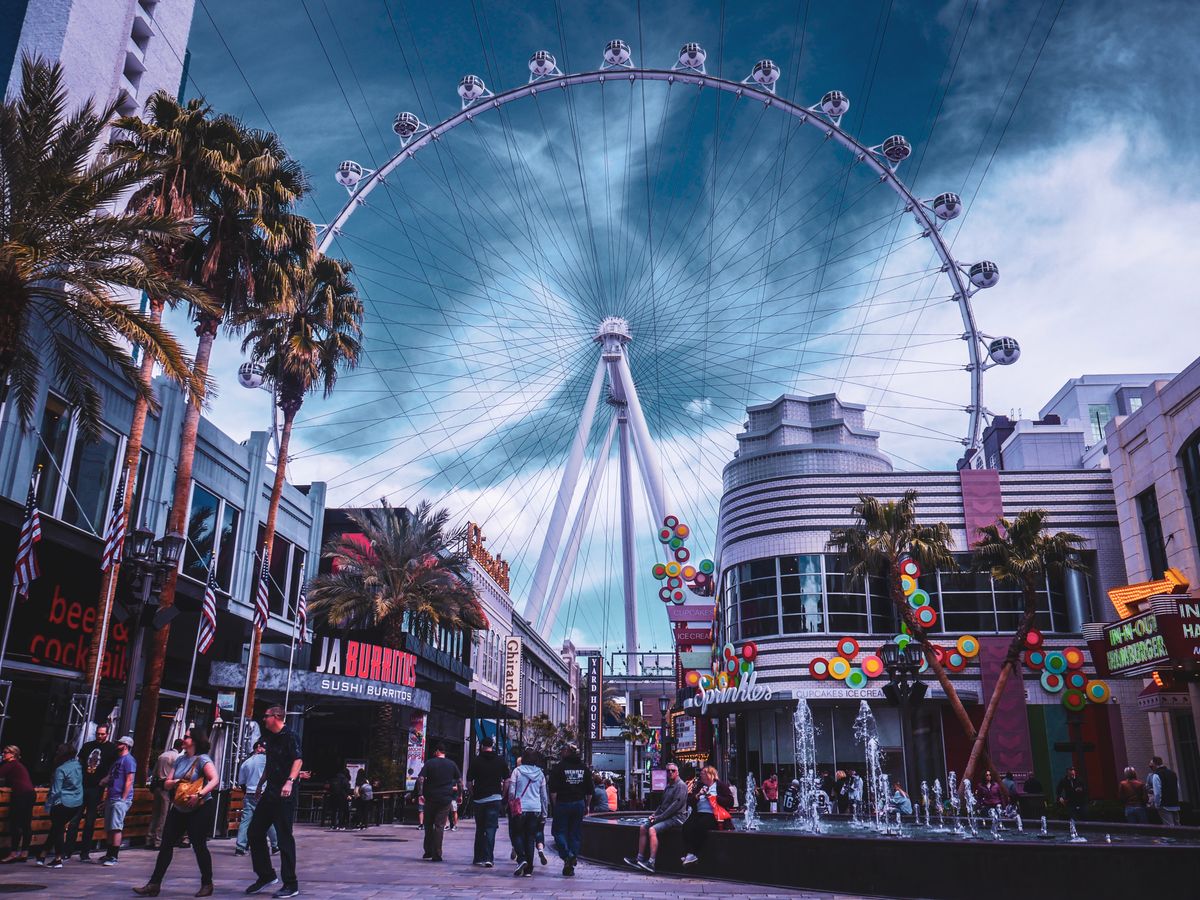
Las Vegas can look like a bargain from the outside. No state income tax, cheaper homes than coastal California, and a city built around entertainment can make it seem like a place where money might go further.
But Vegas has become much more complicated. Housing prices have risen sharply over the past several years, and even with some cooling, many residents still face high monthly costs relative to local wages.
The hidden pressure is that Las Vegas runs on service, hospitality, tourism, construction, and entertainment jobs. Those industries can be strong, but they do not always provide the kind of income needed to keep up with rising housing and household costs.
Then come the extras. Cooling bills, car dependency, insurance, groceries, and the temptation of constant entertainment all chip away at the budget. Vegas may not tax income, but it finds plenty of other ways to test a paycheck.
Dallas, Texas: The Big Texas Bargain With a Bigger Tax Bill
Dallas still benefits from the Texas affordability myth. For years, people saw it as a place where you could earn well, buy a large home, skip state income tax, and enjoy a strong job market without paying coastal prices.
That story now needs a warning label. Home prices may still look lower than many major metros, but property taxes, insurance, commuting costs, and fast-growing suburbs can make the monthly reality feel much heavier.
The no-state-income-tax pitch is powerful, but it can hide the cost of ownership. In Texas, property taxes often carry more weight, and homeowners can feel the squeeze even if their mortgage rate looked reasonable at closing.
Dallas is also spread out, which means location matters. Living far from the job center may save money on housing, but it can cost more in time, gas, tolls, and stress. The city may still offer opportunity, but it is not the simple bargain many newcomers expect.
Jacksonville, Florida: The Cheap Florida City With Expensive Surprises
Jacksonville often looks like one of Florida’s last big-city deals. It has beaches, space, a large job market, and home prices that can seem far less frightening than Miami, Fort Lauderdale, or parts of Tampa Bay.
That is why the trap works. Buyers and renters may see the lower price tag first, then later run into Florida’s less charming costs, especially insurance, storm preparation, car expenses, and maintenance.
Jacksonville’s size also matters. It is a sprawling city, so cheaper housing may come with longer drives and fewer walkable options. That can quietly increase the cost of daily life.
The city can still make sense for some households, but it is not automatically affordable just because it is cheaper than South Florida. In Florida, the sticker price is only the opening sentence. The real bill often comes after closing.
Boise, Idaho: The Small-City Dream That Got Too Popular

Boise became a symbol of the great relocation rush. It looked peaceful, outdoorsy, clean, and cheaper than the West Coast cities many people were leaving behind. For a while, it seemed like the perfect escape.
Then everyone discovered it at once.
Boise’s housing market changed quickly as remote workers, retirees, investors, and out-of-state buyers pushed demand higher. The city still feels smaller than many metros, but its housing costs no longer match the old small-city expectation.
That creates a painful mismatch for local workers. Wages in smaller markets do not always rise as quickly as home prices, which can make longtime residents feel squeezed by a city that has suddenly become fashionable.
Boise is still beautiful. It still has quality-of-life appeal. But for anyone expecting a low-cost hideaway, the shock can be real. Popularity has a price, and Boise has been paying it loudly.