10 Best Dogs for Retirement
Retirement changes the rhythm of a home. The mornings may stretch a little longer, the afternoons may move more slowly, and the house may feel quieter than it once did.
For many older adults, the right dog brings comfort back into that space without turning daily life into a demanding second job.
The best dogs for retirement are not always the flashiest breeds or the ones with the biggest personalities.
We are looking for calm temperaments, manageable exercise needs, reasonable grooming routines, affectionate behavior, and a size that fits the owner’s body, home, budget, and energy level.
A good retirement dog should make life feel fuller, not harder. It should offer companionship during quiet mornings, motivation for gentle walks, and a steady presence during life’s slower seasons.
What Makes a Dog Ideal for Retirement Years?
A retirement-friendly dog should match the owner’s lifestyle before anything else. We should think about daily walking ability, lifting comfort, grooming budget, barking tolerance, apartment rules, health concerns, and whether the home receives visitors, grandchildren, or other pets.
Small dogs are often easier for retirees to manage, but size alone does not decide everything. Some tiny breeds can be noisy, nervous, or surprisingly demanding, while some larger dogs are calm, gentle, and content to nap for most of the day.
The safest choice is usually a dog with a stable temperament, modest exercise needs, and a predictable care routine.
Adult dogs and senior rescue dogs can also be excellent options because their personalities are already evident, their energy levels are easier to gauge, and many are past the chaotic puppy stage.
French Bulldog
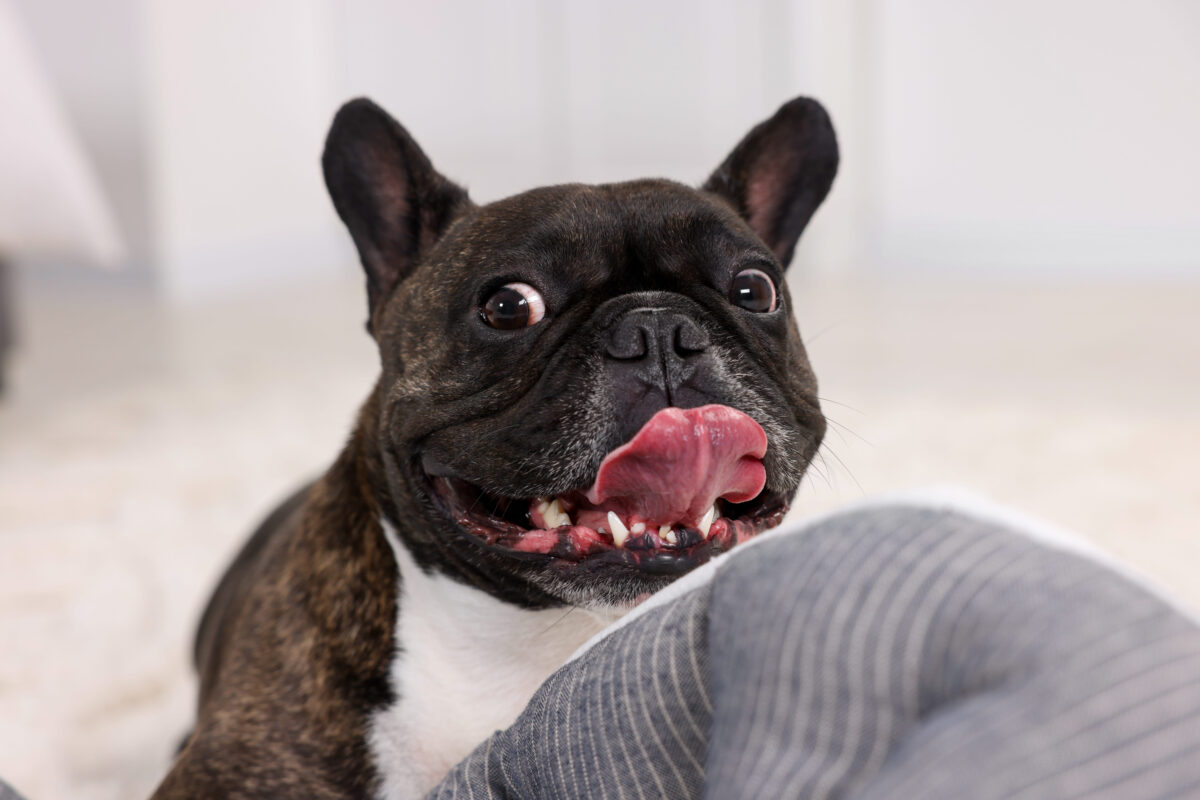
The French Bulldog is one of the best choices for retirees who want a compact dog suited to a relaxed daily routine. This breed is sturdy, affectionate, and usually happy living in an apartment, condo, townhouse, or smaller home.
Frenchies do not need long runs or intense outdoor activity, which makes them appealing for older adults who prefer short walks and indoor companionship.
Their short coat is easy to maintain, and their small size makes them easier to manage than many medium or large breeds. We still need to be mindful of heat, breathing concerns, and weight control because French Bulldogs can struggle in hot weather and may gain weight if overfed.
For retirees who want a dog that enjoys sitting nearby, following them from room to room, and adding warmth to a quiet home, the French Bulldog can be a wonderful fit. It is especially appealing for people who want personality without constant motion.
Cavalier King Charles Spaniel
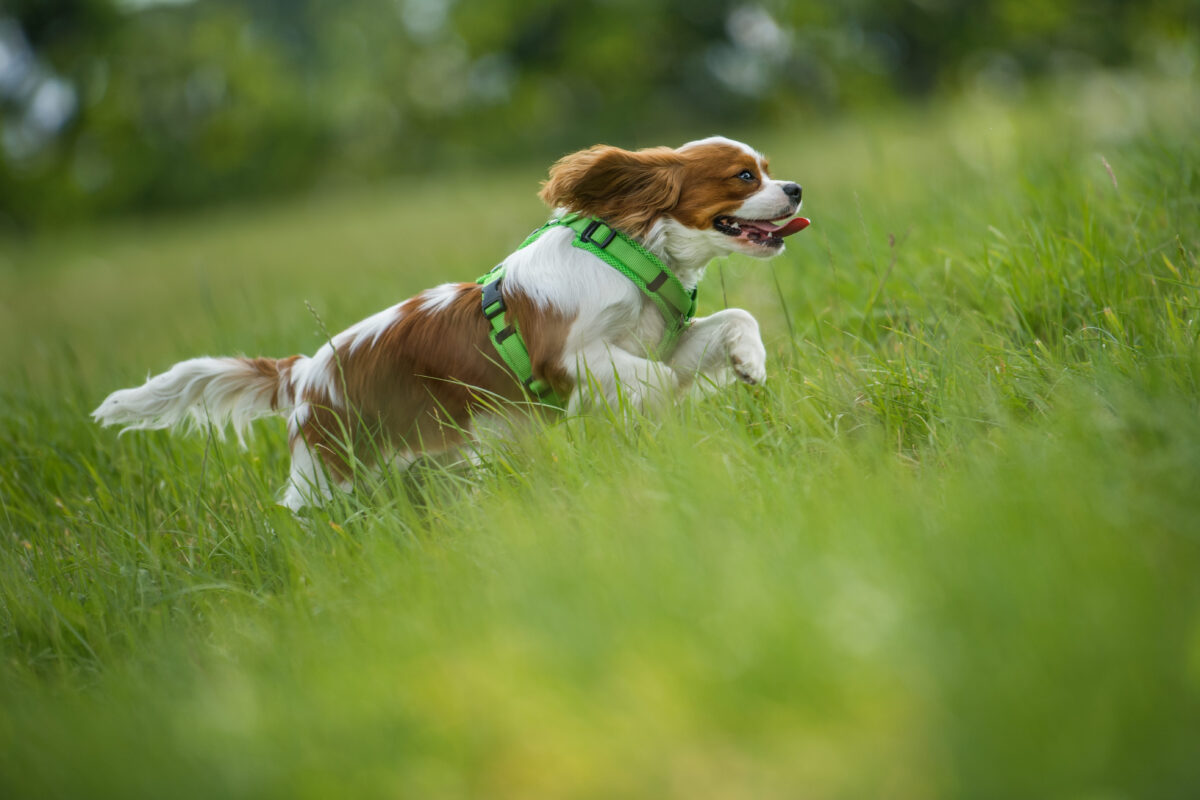
The Cavalier King Charles Spaniel has a soft, affectionate personality that fits beautifully into retirement life. This breed is known for being people-oriented, gentle, and eager to stay close to its owner.
Cavaliers enjoy walks, but they are also deeply comfortable curling up on a couch, resting beside a chair, or spending a quiet afternoon indoors.
Their size is another advantage. Most Cavaliers are small enough to lift when needed, but they are not so fragile that every step feels risky. They are often friendly with visitors, children, and other pets, making them a strong choice for retirees with family stopping by.
The main responsibility is grooming and health awareness. Their silky coat needs regular brushing, and owners should work with a trusted veterinarian because the breed can be prone to certain inherited health issues.
For retirees who want a sweet, emotionally responsive companion, the Cavalier remains one of the most heartwarming choices.
Pug
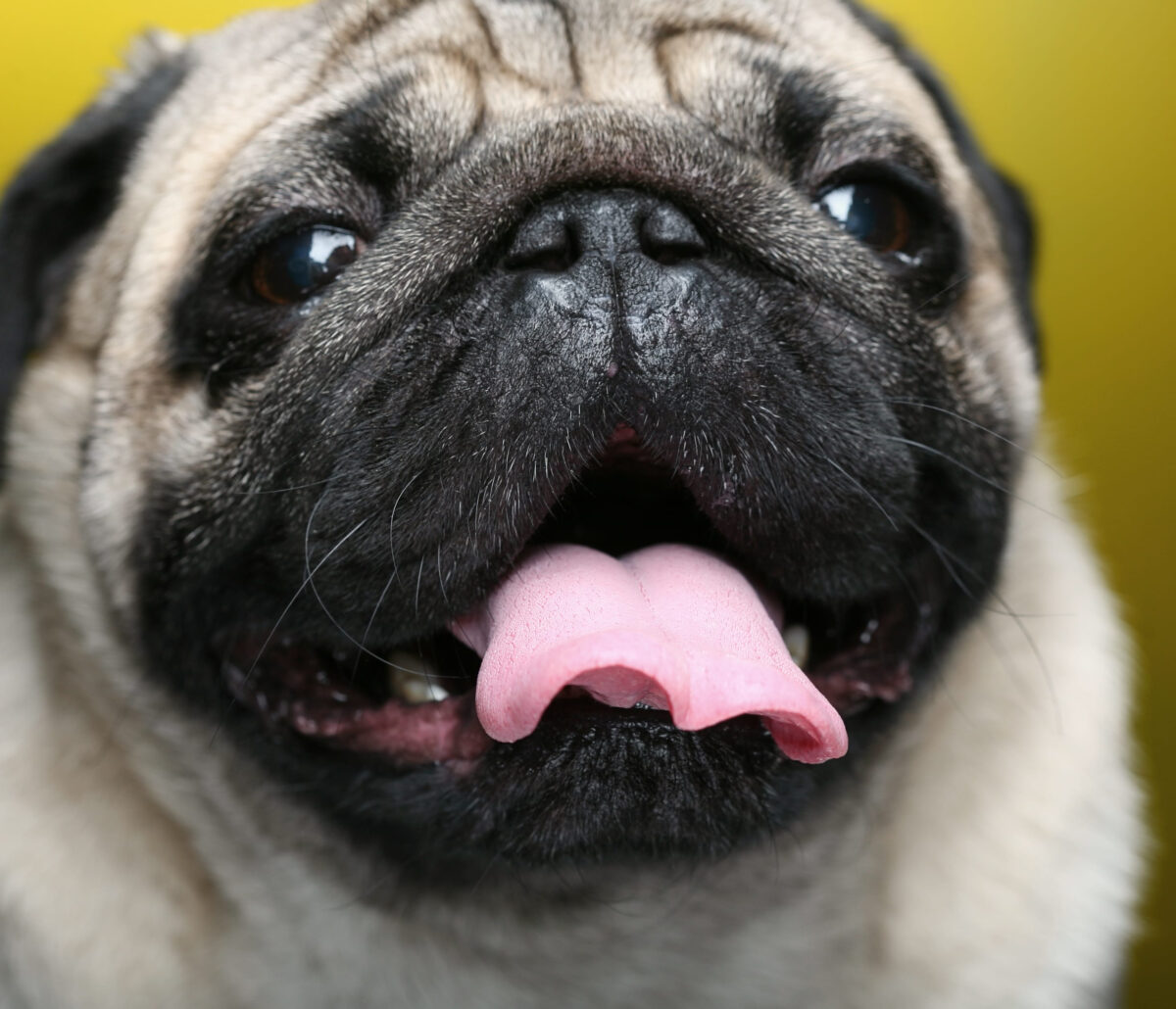
The Pug is a natural fit for people who want a dog that brings humor, affection, and calm energy into the home. Pugs are small, sturdy, and usually content with short walks followed by long naps.
They are not built for intense exercise, which makes them easier for many older adults to handle.
Their charm comes from their expressive faces and people-loving nature. A Pug often wants to be part of whatever its owner is doing, even if that simply means sitting nearby while the television is on or resting under the table during lunch.
This breed can bring laughter into a quiet home without needing a large yard or demanding training schedule.
Pugs do need careful care around heat, breathing, and weight. Their facial folds should be cleaned, and their diet should be managed to prevent obesity. For retirees who want a loving, low-energy dog with a playful spark, the Pug can be a delightful companion.
Shih Tzu
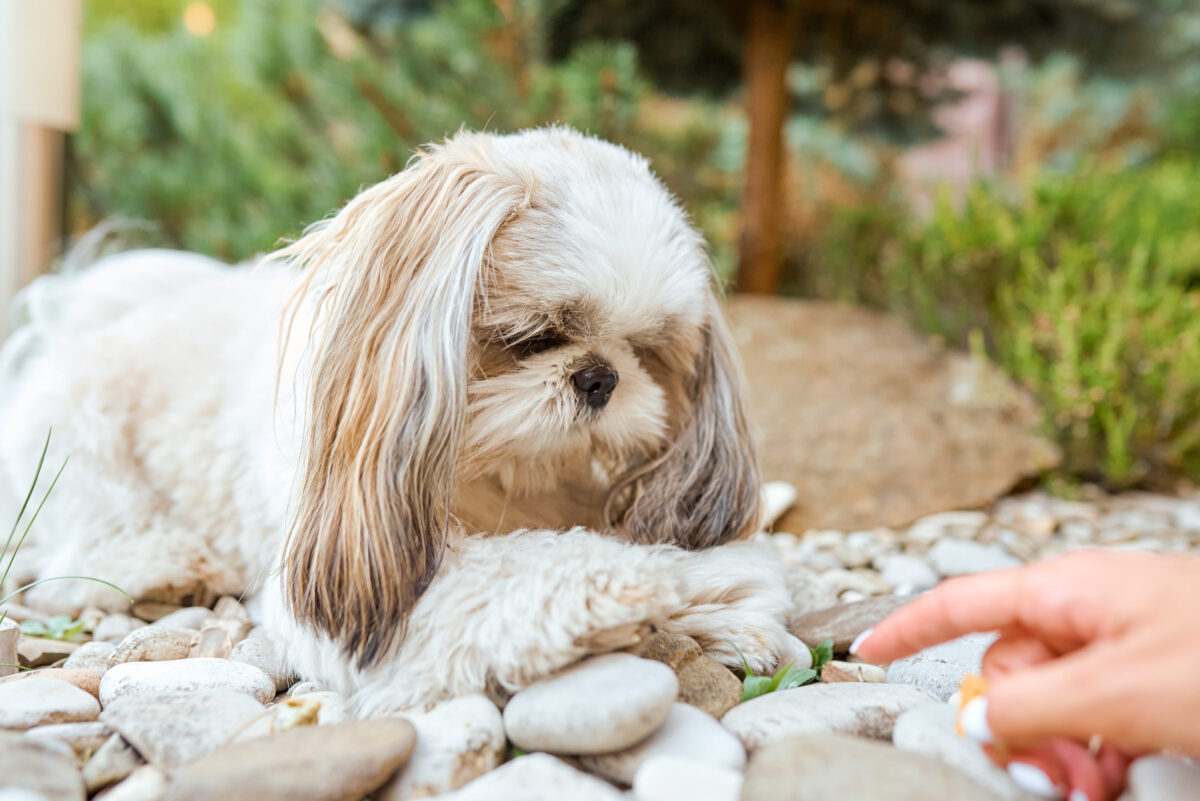
The Shih Tzu was bred for companionship, and that history still shows. This small dog is affectionate, steady, and usually happy living close to its owner. It does not need intense exercise, and many Shih Tzus are satisfied with gentle walks, indoor play, and plenty of lap time.
For retirees in apartments or smaller homes, the Shih Tzu offers a strong mix of charm and manageability.
Its size makes it easy to live with, while its affectionate nature creates the emotional closeness many retirees want from a dog. It is also a good option for people who enjoy a pet that feels deeply connected to the home.
The coat is the main responsibility. A long Shih Tzu coat requires frequent brushing, but many owners choose a shorter puppy cut to make grooming easier. With regular grooming and basic health care, this breed can bring steady comfort to retirement years.
Greyhound
The Greyhound may surprise people because it is famous for its speed, but many Greyhounds are calm, quiet, and relaxed at home. Adult and retired racing Greyhounds are often gentle companions who enjoy short bursts of activity followed by long periods of rest.
For retirees who want a larger dog without nonstop energy, the Greyhound deserves serious consideration.
Their short coat is easy to care for, and they are often less demanding than many smaller, busier breeds. A Greyhound may enjoy daily walks, but it usually does not need a full day of exercise. Many are happiest with a soft bed, a peaceful home, and a predictable routine.
The size of the breed matters. We should consider whether the owner can handle a larger dog on a leash and whether the home has enough space for comfortable movement.
For retirees who want a graceful, quiet companion with low grooming needs, the Greyhound can be an excellent match.
Bichon Frise
The Bichon Frise brings brightness into a home. This small, cheerful dog is affectionate, playful, and often friendly with people. It can be a lovely fit for retirees who want a dog that feels joyful without being overly demanding physically.
Bichons usually enjoy light play and short walks, but they are also content spending time indoors with their owners. Their size makes them easy to manage, and their social nature can be helpful for retirees who enjoy visitors, neighborhood chats, or community living.
The coat requires commitment. Bichons need regular brushing and professional grooming to prevent matting. For retirees who do not mind grooming appointments, this breed offers a wonderful blend of softness, charm, and companionship.
Boston Terrier
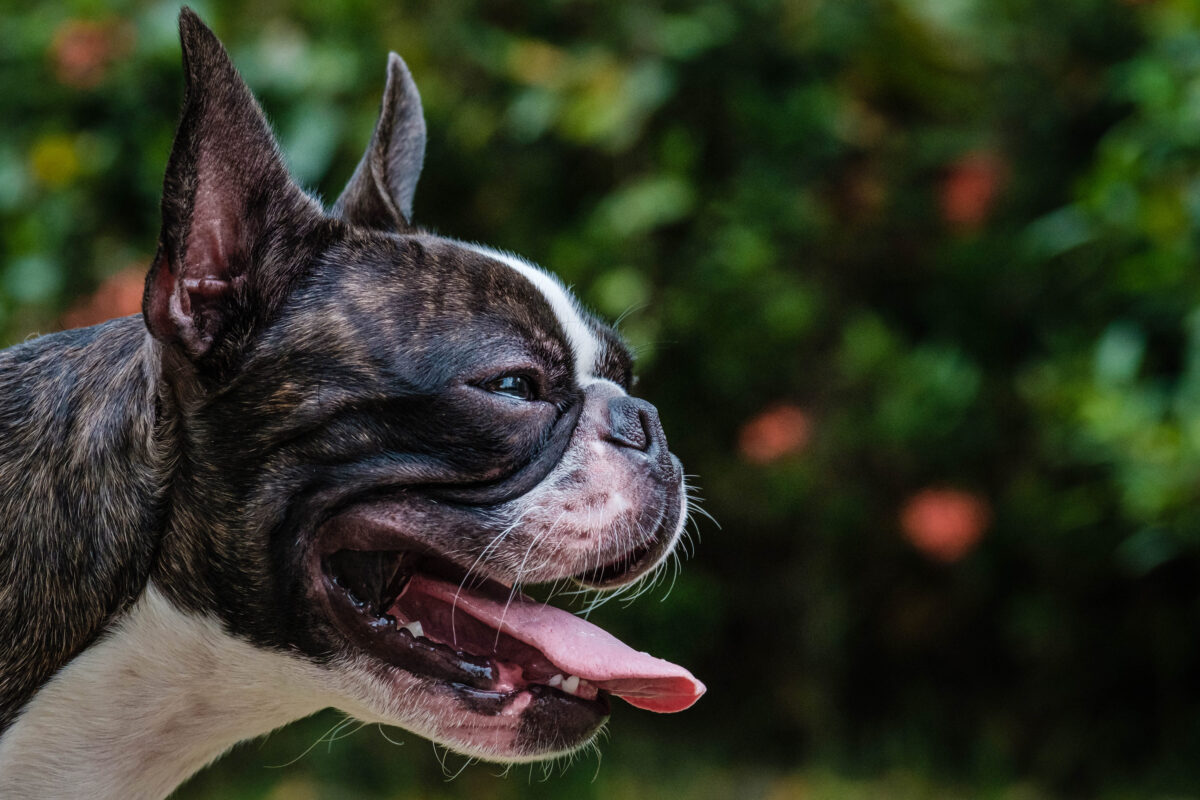
The Boston Terrier is often called the American Gentleman, and the nickname fits. This breed is compact, friendly, and usually easier to care for than many high-energy small dogs.
Boston Terriers can adapt well to apartments and smaller homes, making them a smart choice for retirees who want a neat, manageable companion.
Their short coat keeps grooming simple, and their moderate exercise needs can often be met with daily walks and light play. Boston Terriers tend to be people-focused, which helps them bond closely with older owners. They can be playful without being exhausting.
Like other short-faced breeds, Boston Terriers need protection from extreme heat and overexertion. With sensible care, they can be affectionate, funny, and surprisingly easy to live with.
For retirees who want a small dog with charm and structure, the Boston Terrier is a strong option.
Cocker Spaniel
The Cocker Spaniel is a warm, affectionate breed that suits retirees who enjoy a slightly more active companion. Cockers are gentle, sweet-natured, and often happy to settle indoors after a walk or play session.
They offer a nice balance for older adults who still want daily movement but do not want a highly intense dog.
This breed is especially appealing for people who enjoy bonding through care. A Cocker Spaniel’s coat needs regular brushing and grooming, but some owners find that routine calming and personal. Professional grooming can also keep the coat easier to manage.
Cockers may be better for retirees who can handle a medium-sized dog and provide consistent care. In return, they offer affection, loyalty, and a steady presence that makes a house feel less empty.
Havanese
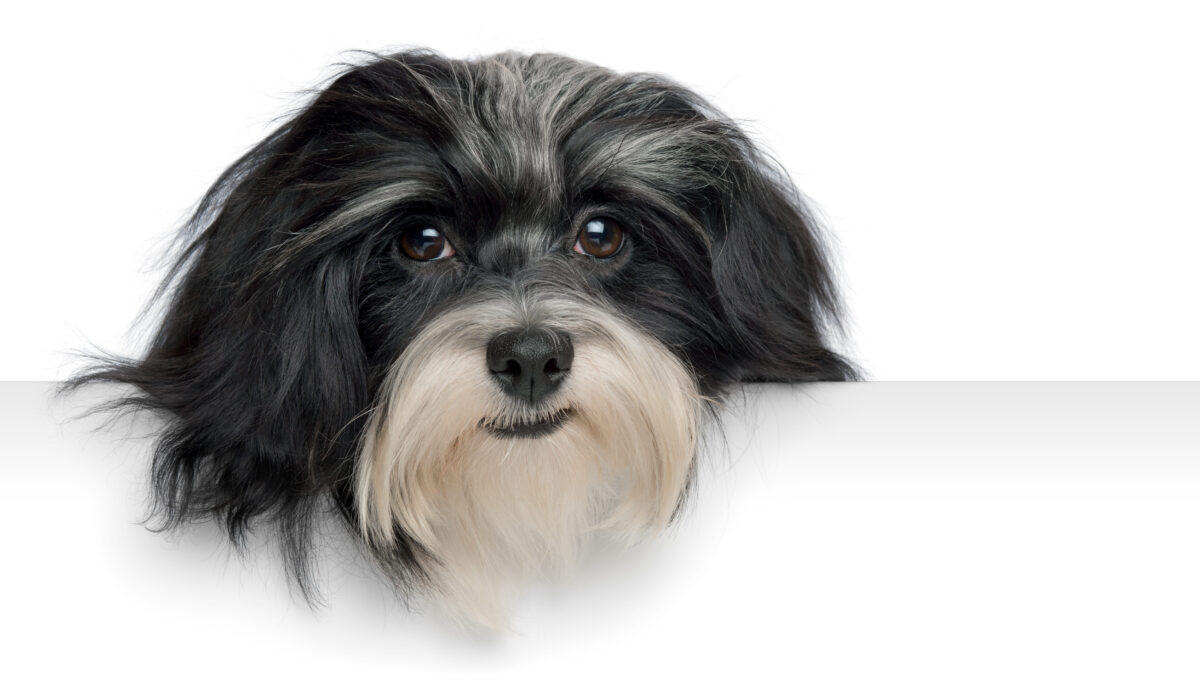
The Havanese is often described as a Velcro dog because it loves staying near its owner. For retirees who want a close companion, this small breed can be a beautiful fit. Havanese dogs are affectionate, trainable, and usually comfortable in smaller living spaces.
They do not need extreme exercise, but they enjoy walks, gentle games, and social time. Their cheerful personality can make daily life feel brighter, especially for retirees who spend much of their time at home.
They are small enough to manage, but often sturdy enough to interact safely with careful grandchildren or visitors.
Their coat needs regular grooming, especially if kept long. A shorter trim can make care easier. For older adults who want a loving dog that thrives on companionship, the Havanese is one of the most emotionally rewarding choices.
Pomeranian
The Pomeranian is small enough for almost any home, but it has a bold spirit. This breed can be affectionate, lively, and deeply attached to its owner.
For retirees who want a small companion with energy, personality, and a touch of drama, the Pomeranian can be a fun choice.
Because of its size, a Pomeranian is easy to carry and does not need long walks. Indoor play, short outings, and regular attention can keep it happy. It can also be a good fit for retirees who want a small watchdog that notices activity around the home.
The tradeoff is barking and grooming. Pomeranians may alert often, and their fluffy coat needs regular brushing. For the right owner, those needs are manageable, and the reward is a spirited companion that makes the home feel alive.
Best Low-Maintenance Dogs by Retirement Lifestyle
Retirees do not all live the same way, so the best breed depends on the daily routine. Someone in a quiet apartment may need a very different dog from someone with a yard, visiting grandchildren, or a strong walking habit.
For apartment retirees, French Bulldogs, Shih Tzus, Boston Terriers, Havanese, and Cavaliers are especially strong choices. They are small, affectionate, and usually comfortable in compact living spaces.
For retirees who want the lowest grooming burden, Greyhounds, French Bulldogs, Pugs, and Boston Terriers are better options because their short coats are easier to maintain.
For retirees who enjoy grooming or can budget for it, Bichons, Shih Tzus, Havanese, Lhasa Apsos, Cocker Spaniels, and Pomeranians can be wonderful choices.
For quiet companionship, Cavaliers, Greyhounds, Shih Tzus, and Lhasa Apsos are excellent candidates. For retirees who want a dog that alerts them when someone comes to the door, Miniature Schnauzers, Pomeranians, and Lhasa Apsos may be more suitable.
Why Adult Dogs May Be Better Than Puppies for Retirees
Puppies are adorable, but they are also exhausting. They need house training, chewing management, frequent bathroom breaks, socialization, and constant supervision. For many retirees, that level of work can turn a joyful decision into a stressful one.
Adult dogs are often easier to evaluate. We can see their real size, energy level, temperament, barking habits, and comfort around people. Many adult rescue dogs are already house-trained and may be far more settled than a young puppy.
Senior dogs can be especially beautiful matches for senior humans. They often want the same things: calm days, gentle walks, soft beds, steady meals, and someone kind nearby.
A senior dog may not offer as many years, but it can offer deep gratitude and peaceful companionship.
Health, Budget, and Safety Questions Before Choosing a Dog
Before choosing a retirement dog, we should be honest about physical ability. Can the owner safely walk the dog? Can they lift it if needed? Can they bend to clean paws, fill bowls, and manage accidents? Can they afford grooming, food, vaccines, dental care, and emergency vet bills?
Breed traits matter, but individual dogs matter even more. A calm French Bulldog may be perfect, while a restless one may be difficult.
A gentle Greyhound may be easy, while a poorly leash-trained large dog may be unsafe. Meeting the dog, asking questions, and choosing slowly can prevent heartbreak.
It is also smart to plan ahead. A trusted family member, neighbor, or pet sitter should know what to do if the owner becomes ill or needs help. A good retirement dog plan includes love, but it also includes practical backup.
The Best Retirement Dog Is the One That Fits Your Real Life
A calm, low-maintenance dog can make retirement feel warmer, steadier, and more connected. The right companion can bring structure to the day, a reason to step outside, and a loyal presence during quiet hours at home.
French Bulldogs and Pugs suit retirees who want low exercise and easy grooming. Cavaliers, Havanese, and Shih Tzus suit those who want deep affection and close companionship.
Greyhounds are ideal for people who like larger, calmer dogs. Bichons, Cockers, Lhasas, Schnauzers, and Pomeranians each bring their own mix of charm, alertness, softness, and personality.
The goal is not to choose the most popular dog. The goal is to choose the dog whose needs fit the owner’s real energy, home, finances, and future. When that match is right, retirement does not just feel quieter. It feels shared.