12 Most Controversial Royal Marriages That Shook Palaces, Crowns, and Public Trust
Royal weddings are often sold to the world as polished pageants of duty, tradition, and national pride. We see the jewels, the carriages, the palace balconies, and the carefully arranged portraits. Yet behind many of history’s most famous royal marriages lay family feuds, political threats, religious crises, tabloid storms, public anger, and private heartbreak.
The most controversial royal marriages throughout history reveal a sharper truth about monarchy. Love rarely stands alone when a crown is involved. A royal marriage can decide succession, reshape religion, disturb governments, expose class tensions, and force ancient institutions to answer modern questions.
From Edward VIII giving up the British throne for Wallis Simpson to Princess Mako of Japan losing her imperial title for Kei Komuro, these royal marriage scandals show what happens when personal choice crashes into royal protocol. Some couples survived the storm. Others became warnings carved into palace history.
Edward VIII and Wallis Simpson: The Marriage That Cost a King His Throne
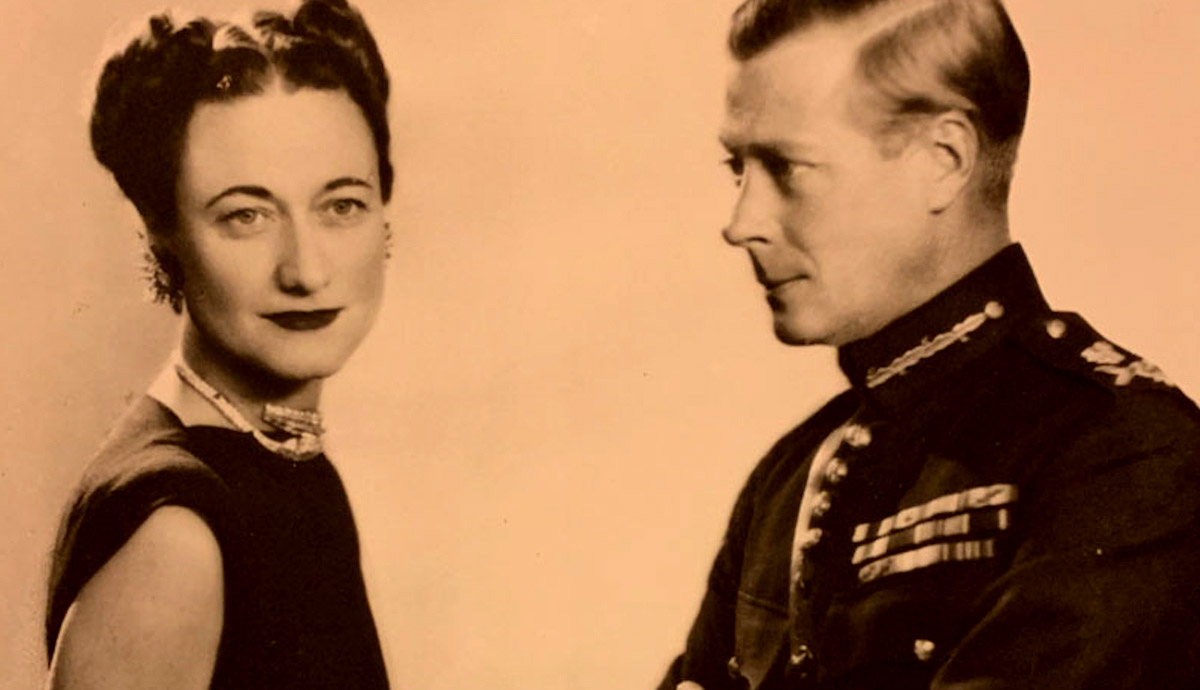
Few controversial royal marriages changed history as dramatically as the relationship between King Edward VIII and Wallis Simpson. Edward became king in January 1936, but before the year ended, Britain faced a constitutional crisis over his determination to marry Simpson, an American woman who had divorced once and was in the process of ending her second marriage.
For the British establishment, the problem was not simply romance. As king, Edward was also Supreme Governor of the Church of England, and at the time, the church strongly opposed remarriage after divorce when former spouses were still living. The government, the dominions, and senior royal advisers viewed Simpson as unacceptable as queen.
Edward chose marriage over monarchy. In December 1936, he abdicated, making him one of the most famous royal figures to surrender a throne for love. He later married Wallis Simpson in France as the Duke of Windsor, while his brother became King George VI. We still remember their union because it was not just a royal scandal. It changed the British line of succession and placed the future Queen Elizabeth II directly on the path to the throne.
King Henry VIII and Anne Boleyn: The Marriage That Helped Break England From Rome
Long before modern tabloids, King Henry VIII and Anne Boleyn created one of the most explosive royal marriage scandals in European history. Henry was already married to Catherine of Aragon when he became determined to marry Anne, a courtier whose intelligence, charm, and ambition made her impossible for him to ignore.
The king’s desire for Anne was tied to a larger dynastic anxiety. Henry wanted a male heir to secure the Tudor line, and Catherine had not produced a surviving son. When the pope would not grant the annulment Henry wanted, the king’s private marriage crisis became a national religious rupture.
Henry married Anne in 1533, and the English Reformation gained momentum amid the dispute. Anne became queen, but her triumph was short. After failing to produce a male heir, she was accused of adultery, incest, and treason. She was executed in 1536, and her daughter later became Queen Elizabeth I. We cannot discuss controversial royal marriages without placing Henry and Anne near the top because their union altered religion, law, monarchy, and the future of England.
Prince Charles and Princess Diana: The Fairy Tale That Became a Public Breakdown
The marriage of Prince Charles and Lady Diana Spencer looked like a perfect royal fairy tale in 1981. Diana was young, aristocratic, photogenic, and widely seen as the ideal future queen. The wedding drew global attention, but the image of romance quickly began to crack under the pressure of incompatibility, emotional distance, and public expectation.
Diana entered the royal family at 20, while Charles was more than a decade older and still emotionally connected to Camilla Parker Bowles. The marriage produced two sons, Prince William and Prince Harry, but it also became a painful public spectacle. Reports of affairs, leaked phone calls, competing media narratives, and Diana’s own televised account of her unhappiness turned a private collapse into a national drama.
Their divorce in 1996 marked a major turning point for the modern monarchy. Diana remained one of the world’s most beloved public figures, and her death in 1997 deepened public scrutiny of the royal family. We still study this marriage because it showed how badly a royal institution can misread emotion, media power, and public sympathy.
King Charles III and Queen Camilla: The Relationship That Outlasted a Scandal
The marriage of Charles and Camilla was controversial because it could never be separated from the collapse of Charles’s first marriage to Diana. Camilla had known Charles before he married Diana, and their relationship became a central source of public anger during the breakdown of the Wales marriage.
For many years, Camilla was treated as the woman who had disrupted the fairy tale. Public opinion was harsh, especially after Diana’s famous comments about there being three people in her marriage. The emotional power of Diana’s story made it difficult for many people to accept Camilla as Charles’s future wife.
Charles and Camilla married in 2005 in a civil ceremony, long after both had divorced. Over time, Camilla’s public role changed. She moved from a scandal figure to a senior working royal and eventually to queen. Their marriage remains one of the clearest examples of how royal controversy can soften over decades, especially when public memory, institutional messaging, and generational change begin to shift the story.
Prince Harry and Meghan Markle: The Modern Royal Marriage That Exposed a Media War
Prince Harry and Meghan Markle’s marriage became one of the most discussed royal unions of the 21st century. Meghan was an American actress, a divorcée, and a biracial woman entering one of the world’s most scrutinized royal families. Their 2018 wedding at St. George’s Chapel was celebrated as a modernizing moment for the monarchy, but the optimism did not last.
The couple faced intense media attention from the beginning of their relationship. Some coverage focused on Meghan’s family, career, nationality, race, and royal behavior in ways that supporters saw as unfair or hostile. Harry repeatedly connected the treatment of Meghan to his trauma over the media pursuit of his mother, Princess Diana.
In 2020, Harry and Meghan stepped back from senior royal duties and moved toward financial independence outside the formal royal structure. Their interviews, lawsuits, documentaries, and public claims about palace life kept the controversy alive. We include this marriage because it raised uncomfortable questions about race, media ethics, royal control, mental health, and whether a monarchy can adapt to the age of global celebrity.
Princess Mako and Kei Komuro: The Japanese Imperial Marriage That Cost a Title
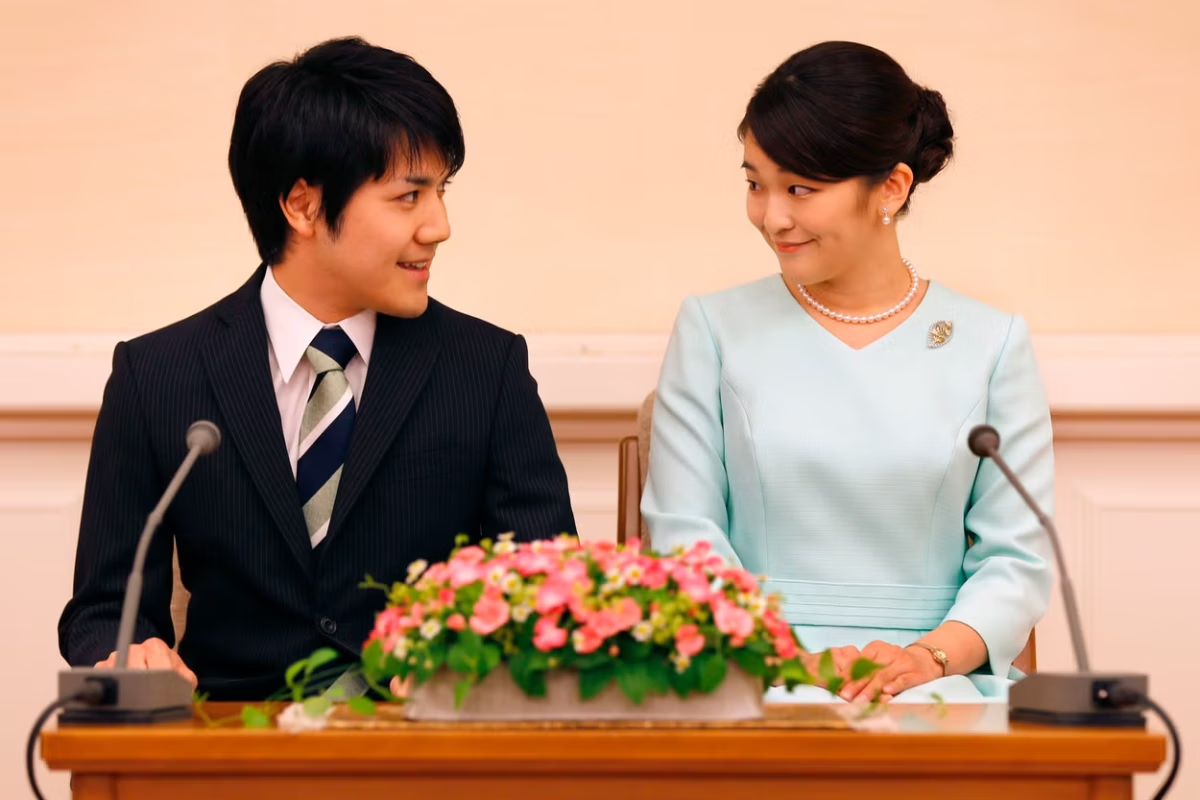
Princess Mako of Japan and Kei Komuro began as college sweethearts, but their marriage became a national controversy. Mako, the niece of Emperor Naruhito, chose to marry a commoner, which meant she had to leave Japan’s imperial family under existing rules. The controversy grew after reports of a financial dispute involving Komuro’s mother and her former fiancé.
The marriage was delayed for years as public scrutiny intensified. Instead of a grand imperial ceremony, Mako and Komuro registered their marriage in 2021 with a quiet approach that reflected the pressure surrounding the union. Mako also declined the traditional lump sum payment given to women leaving the imperial family after marrying commoners.
This marriage became larger than one couple. It revived debate about gender, succession, public money, media pressure, and the rigid rules governing Japan’s imperial household. We see in Mako’s story a modern royal dilemma: when a woman born into a monarchy chooses personal freedom, the institution may require her to give up almost everything attached to her birth.
Princess Margaret and Antony Armstrong-Jones: The Royal Marriage That Turned Rebellion Into Scandal
Princess Margaret, the younger sister of Queen Elizabeth II, lived much of her life under the shadow of royal expectation. Before marrying Antony Armstrong-Jones, she had fallen in love with Group Captain Peter Townsend, a divorced man who had served in the royal household. That relationship became a constitutional and religious problem, and Margaret eventually gave it up.
In 1960, she married Armstrong-Jones, a photographer who later became Lord Snowdon. Their wedding seemed stylish and modern, but the marriage became strained over time. Both were glamorous, strong-willed, and drawn to circles that did not always fit palace expectations.
The relationship deteriorated through alleged affairs, emotional distance, and public embarrassment. Margaret’s association with Roddy Llewellyn, a younger man, became front-page material and helped push the marriage toward divorce. Their 1978 split was the first divorce by a senior British royal in many decades, marking a major symbolic break with the royal image of permanent marital duty.
Princess Anne and Mark Phillips: The Marriage That Showed Royal Divorce Was No Longer Unthinkable
Princess Anne married Captain Mark Phillips in 1973, and at first, their union seemed less dramatic than many royal pairings. Both were connected by equestrian life, and Phillips refused a royal title, which gave the marriage a somewhat practical public image. Yet behind the quieter surface, the relationship eventually became another sign that royal marriages were under modern pressure.
By the late 1980s, the marriage had broken down. Reports of private letters connected Anne to Timothy Laurence, who had served as an equerry to Queen Elizabeth II. Around the same period, Mark Phillips faced public attention over a child he fathered outside the marriage.
Anne and Phillips divorced in 1992, a year that became infamous for the British royal family’s marital troubles. Anne married Timothy Laurence later that year. We include this marriage because it showed that even the most duty-focused royal figures were not immune to the personal fractures that affected families outside palace walls.
Prince Andrew and Sarah Ferguson: The Royal Marriage That Became a Tabloid Machine
Prince Andrew and Sarah Ferguson married in 1986, bringing together a naval prince and a lively, red-haired aristocratic bride who quickly became known as Fergie. At first, the public enjoyed her energy and informality. She seemed approachable, playful, and less restrained than many royal figures.
The marriage soon struggled under distance, media attention, and different lifestyles. Andrew’s naval career kept him away for long stretches, while Sarah faced aggressive press coverage over spending, behavior, friendships, and private life. Their separation and eventual divorce in 1996 became part of the wider royal turbulence of the decade.
Their post-divorce relationship remained unusually close, which kept public curiosity alive. Later controversies surrounding Andrew brought renewed attention to everyone connected to him, including Sarah. We treat this marriage carefully because its original controversy was not a single event, but a long collision among royal duty, tabloid appetite, financial pressure, and unconventional loyalty after divorce.
Prince Carl Philip and Princess Sofia of Sweden: The Reality TV Past That Challenged Royal Respectability
Prince Carl Philip of Sweden and Sofia Hellqvist faced controversy because Sofia did not match the traditional image of a royal bride. Before meeting the prince, she had worked as a model and appeared on reality television. Critics used her past to question whether she was suitable for the Swedish royal family.
The backlash revealed how harshly royal women are often judged for the lives they lived before entering palace circles. Sofia’s tattoos, modeling history, and public image became easy targets for tabloids. The scrutiny echoed a familiar royal pattern: a woman marrying into the monarchy is often expected to arrive with no complicated past, no visible ambition, and no story that cannot be polished into tradition.
Carl Philip and Sofia married in 2015, and she gradually built a more stable public role. Her story shows how royal institutions now operate in an era where almost everyone has a digital footprint. We can see why this marriage matters: it challenged the old fantasy that royal brides must appear untouched by modern life.
Sultan Muhammad V and Oksana Voevodina: The Royal Marriage That Became a Cross-Border Spectacle
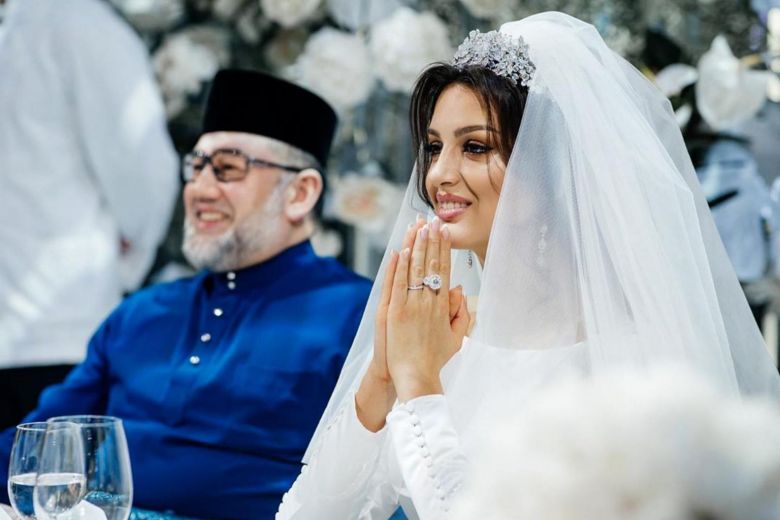
The marriage between Sultan Muhammad V of Kelantan and Russian beauty queen Oksana Voevodina became one of the most unexpected royal stories of the late 2010s. Their reported wedding ceremonies in Malaysia and Russia drew intense attention because they crossed royal, religious, cultural, and national lines.
Voevodina reportedly converted to Islam and adopted a new name, Rihana Oxana Petra. The marriage became even more controversial when Sultan Muhammad V stepped down as Malaysia’s king in 2019, an unprecedented move in the country’s modern royal history. The timing fueled public fascination, even though palace affairs remained guarded.
The relationship later collapsed, and the divorce became public and bitter. Social media posts, palace statements, and questions about status and privacy kept the story alive. We include this marriage because it shows how modern royal scandals no longer stay within palace walls. Instagram, international press, and legal disputes can turn a private royal breakdown into a global spectacle.
Mary, Queen of Scots and Lord Darnley: The Marriage That Helped Destroy a Queen’s Power
Mary, Queen of Scots, married Henry Stuart, Lord Darnley, in 1565, and the union quickly became politically dangerous. Darnley had royal blood, which strengthened Mary’s dynastic claim, but the marriage also alarmed powerful nobles. Instead of securing her throne, it helped destabilize it.
Darnley proved arrogant, ambitious, and deeply unpopular among many Scottish elites. His involvement in the murder of Mary’s secretary, David Rizzio, damaged the marriage beyond repair and exposed the violence surrounding Mary’s court. The royal household became a stage for jealousy, conspiracy, and factional struggle.
Darnley was murdered in 1567 after an explosion at Kirk o’ Field, and suspicion soon surrounded Mary and James Hepburn, Earl of Bothwell, whom she later married. Whether Mary was a victim, a conspirator, or politically trapped remains debated, but the Darnley marriage helped set in motion the chain of events that led to her forced abdication. This is one of history’s most consequential royal marriages because it helped bring down a reigning queen.
Marie Antoinette and Louis XVI: The Political Marriage That Became a Revolutionary Symbol
Marie Antoinette and Louis XVI did not create controversy through romance in the modern sense. Their marriage was arranged to strengthen the alliance between France and Austria. Yet that political union became one of the most hated royal marriages in European history because Marie Antoinette came to symbolize foreign influence, court luxury, and royal distance from public suffering.
When Marie Antoinette arrived in France, she was still a teenager. As queen, she became a target for pamphlets, rumors, and political attacks. Her Austrian birth made her vulnerable in a country where suspicion of foreign power ran deep. Even when claims against her were exaggerated or invented, they shaped public anger.
The marriage itself struggled under pressure, including early concerns about producing heirs. Over time, the couple became symbols of a monarchy unable to grasp the scale of the economic and political crisis surrounding it. We include this union because it shows that a royal marriage can become controversial not solely because of love, divorce, or scandal, but because it absorbs the rage of an entire nation.