The Dark Side of Pet Nooks: When Home Design Goes Too Far
The pet nook trend has exploded across the globe, fueled by social media and the desire to treat pets like miniature humans. Cats with bathrooms, dogs with bedrooms, rabbits with pastel palaces, and Instagram-ready superhighways may look charming online, but the reality is far more concerning. What began as practical solutions for pet comfort is rapidly turning into a costly, obsessive, and often counterproductive fad. Behind the photos of tiny sofas and custom-built tunnels lies a hidden story: animals often don’t benefit from these elaborate setups, while owners face mounting costs, clutter, and social pressure.
We have reached a point where the desire to create a perfect space for pets may be overshadowing the animals’ very needs. Pets, unlike humans, cannot articulate discomfort or politely reject spaces; they respond through behavior, avoidance, or anxiety. A luxurious rabbit palace or a themed cat bathroom may look impressive on Instagram, but is it genuinely enhancing the lives of the pets? The answer is often no.
Pets Are Not Humans, But Owners Forget That
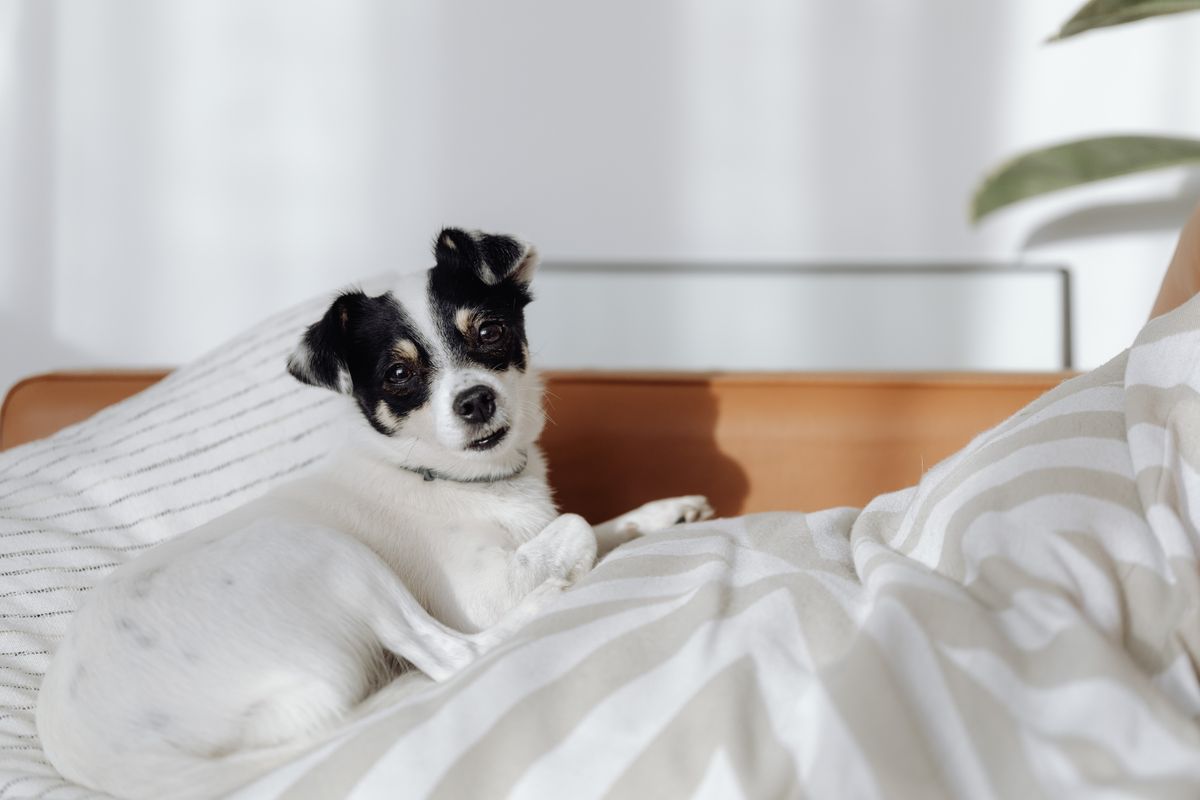
The most glaring problem with the pet nook phenomenon is the human tendency to anthropomorphize animals. It is now common to see cats lounging in tiny living rooms decorated with miniature furniture, rugs, and wall art, or dogs sprawled across custom-fitted beds in private bedrooms. While these spaces are visually appealing, pets do not perceive value in décor, color themes, or Instagram-ready setups.
Overdesign can create stress for animals. Cats may avoid a beautifully curated nook if entrances are too narrow, lighting is too bright, or furniture obstructs their escape routes. Dogs may feel confined in a bedroom that looks luxurious to humans but restricts movement or sensory exploration. Rabbits, highly active and social animals, often react negatively to overly decorated, small, or themed indoor play spaces that prioritize aesthetics over safe exploration.
The underlying issue is clear: pet comfort depends on understanding natural behaviors, not human design preferences. When owners prioritize style and social approval over these behavioral needs, pets can feel trapped, anxious, or simply uninterested in the space created for them.
Social Media Is Driving Wasteful Spending

Instagram and TikTok have amplified the pet nook craze, turning it into a highly visible status symbol. Influencers routinely showcase rooms and tunnels costing thousands of dollars, designed to attract likes and followers rather than improve animal welfare. One viral rabbit palace cost over £8,000, complete with pastel-colored rugs, heart-shaped beds, and connecting tunnels—yet the rabbits themselves show no preference for the lavish décor.
This social media-driven culture pressures other pet owners to match extravagant designs. Even those with limited space or budgets feel compelled to compete with these online images by purchasing miniature furniture, themed wallpaper, and decorative accessories that serve no functional purpose for the animal. The focus shifts from improving pet well-being to creating a visually striking, shareable snapshot of domestic indulgence.
The result is a cycle of wasteful spending. Owners justify extravagant purchases as expressions of love or devotion, but the reality is that pets rarely care about aesthetics, and the majority of these purchases serve the human ego more than the animal’s comfort.
Pets Suffer When Design Overrules Behavior
Even the best-intentioned pet nooks can backfire if design choices do not align with natural behaviors. For example, a “cat bathroom” tucked behind a baby gate may trap odors or limit airflow, creating a space cats avoid entirely. Dogs may retreat from plush, over-decorated bedrooms that restrict movement or expose them to unfamiliar scents and stimuli. Rabbits can become stressed or bored in setups that limit their hopping, chewing, and social exploration.
Observation is critical. Pet nooks should reflect how animals actually live, not what humans imagine their lives to be. Yet many owners skip this step, creating elaborate designs before assessing whether the pet will use or enjoy the space. This oversight can result in expensive, unused rooms, while animals continue to seek comfort in ordinary areas of the home, such as laundry baskets, sofa corners, or quiet floor spaces.
Cluttered Homes, Not Cleaner Homes
Many proponents of pet nooks claim that these spaces reduce household clutter. The theory is that creating a dedicated bed, feeding station, or play zone centralizes toys, leashes, bedding, and food supplies. In practice, however, the opposite often occurs. Elaborate designs require additional furniture, decorations, and accessories, which add complexity rather than simplicity.
Multiple pet zones, from feeding drawers to themed play tunnels, can transform a small home into a maze of mini-rooms that require constant maintenance. Cushions must be washed, toys organized, rugs vacuumed, and walls cleaned. What started as a way to reduce mess ends up creating more labor and expense for owners, often with little actual benefit to the pet.
Moreover, cluttered, over-designed pet nooks can confuse animals. Cats prefer clearly defined vertical and horizontal pathways, while dogs require open, comfortable sleeping and feeding spaces. Excessive furniture or décor can disrupt natural patterns and make pets hesitant to use the designated area.
Budget Nooks Often Mislead Owners
A pet nook does not need to be extravagant to work, yet social pressure encourages overspending. DIY spaces under the stairs, in closets, or beside sofas can provide safe, functional zones for less than £100. Yet many owners are influenced by viral content, investing thousands in themed rooms that offer little improvement over a simple bed, litter area, or feeding station.
The disconnect between cost and value is significant. Pets generally respond to space, safety, and accessibility rather than luxury finishes or coordinated color schemes. Overspending on pet décor may satisfy human desire for control or aesthetic appeal, but rarely enhances the animal’s quality of life. It also fosters unnecessary consumerism, with financial implications for families who feel obligated to keep up with the trend.
Over-The-Top Designs Can Backfire Socially
Beyond the pet’s experience, extreme nooks may create tension in human social circles. Guests may perceive lavish pet rooms as excessive or indulgent, raising questions about homeowners’ priorities. Neighbors may see elaborate outdoor pens as eccentric or intrusive. Social media approval may reward extravagance, but in daily life, excessive pet-focused home design can spark judgment and criticism from friends and family.
Additionally, the obsession with themed rooms and Instagram-ready setups can generate subtle stress within the household. Owners may feel pressure to maintain perfectly staged environments, leading to ongoing anxiety and potential conflict with cohabitants who do not share the same enthusiasm for elaborate pet décor.
Practicality Often Loses to Obsession
Functional pet areas are simple: beds, feeding stations, litter boxes, toys, and safe play zones. Yet the rush to “upgrade” corners of the home often prioritizes aesthetics over utility. Overly themed rooms may incorporate impractical furniture, delicate rugs, or decorative items that impede cleaning and maintenance.
For example, a cat superhighway may look stunning on video, but if shelves are unstable or perches are poorly positioned, the structure becomes a safety hazard. Dogs in mini bedrooms may encounter sharp edges, low ventilation, or slippery flooring. Rabbits in pastel-colored indoor tunnels may be confined to spaces that limit natural movement and chewing. In all these cases, the obsession with style undermines the very purpose of a pet nook: a safe, comfortable, and functional space.
Pets cannot advocate for themselves.
Perhaps the most critical concern is that pets cannot voice discomfort or refusal. Their responses, avoidance, aggression, or stress may be subtle or misinterpreted by humans. This places the burden entirely on owners to recognize whether a pet nook genuinely meets the animal’s needs.
Unfortunately, social validation often interferes with proper observation. Owners may continue to stage and decorate a space for likes, even if the pet is uninterested or stressed. Pets cannot ask for a simpler bed, a quieter feeding area, or an escape route. Their inability to communicate effectively puts the onus on humans, who may be more invested in appearance than animal welfare.
Hidden Safety Risks in Overdesigned Pet Rooms
Safety is frequently compromised in the pursuit of aesthetics. Hanging decorations, small furniture, lighting fixtures, and themed props introduce hazards. Loose cords, sharp edges, toxic materials, and confined spaces can cause injury or create stressful environments.
Even well-intentioned setups may inadvertently trap animals. Closed cat bathrooms, elevated perches without escape routes, or tightly connected rabbit tunnels pose risks. Proper ventilation, accessibility, and the ability to exit freely must take precedence over decorative concerns. Without careful attention, a pet nook can be more dangerous than the ordinary floor space it replaced.
The Myth of the “Functional” Luxury Nook
High-end pet rooms often market themselves as both beautiful and practical. Built-in feeding stations, engraved cabinetry, dog showers, and hidden litter zones may seem efficient, but luxury does not guarantee effectiveness. A dog shower in a mudroom may be visually stunning, but it may still be underused if it is inconveniently located. A hidden litter cabinet may trap odors or restrict the cat’s access.
The irony is clear: the more human-oriented the design, the less reliable it becomes for the pet. Animals respond to instinctive needs: comfort, access, safety, routine, not custom engraving, wallpaper themes, or designer bedding.
Budget-Friendly Alternatives Are Often Better
Observing a pet’s natural preferences and creating simple, safe spaces often achieves superior results. A soft, washable bed in a quiet corner, a litter box in a ventilated closet, a toy basket near the living area, or a few wall-mounted shelves for cats satisfy functional needs without extravagance.
The key is aligning design with behavior, not imagination. Pets prefer consistency, accessibility, and security. Whether it costs £50 or £5,000, the room that works best is the one the pet consistently chooses to use.