8 Things to Know Before You Put Watermelon in Your Grocery Cart
Watermelon looks simple until you are standing in front of a giant grocery bin, tapping one melon after another like you are trying to unlock a secret code.
Some are round. Some are long. Some are mini. Some are seedless. Some are yellow inside, even though they look completely normal on the outside. And then there is always that one shopper who seems to know exactly what they are doing, lifting melons, checking spots, giving each one a serious inspection, and walking away with the winner.
The truth is, buying watermelon does not have to feel like a guessing game. A few smart details can help you choose a sweeter, juicier melon and avoid dragging home a watery disappointment.
Watermelon Has a Real Season
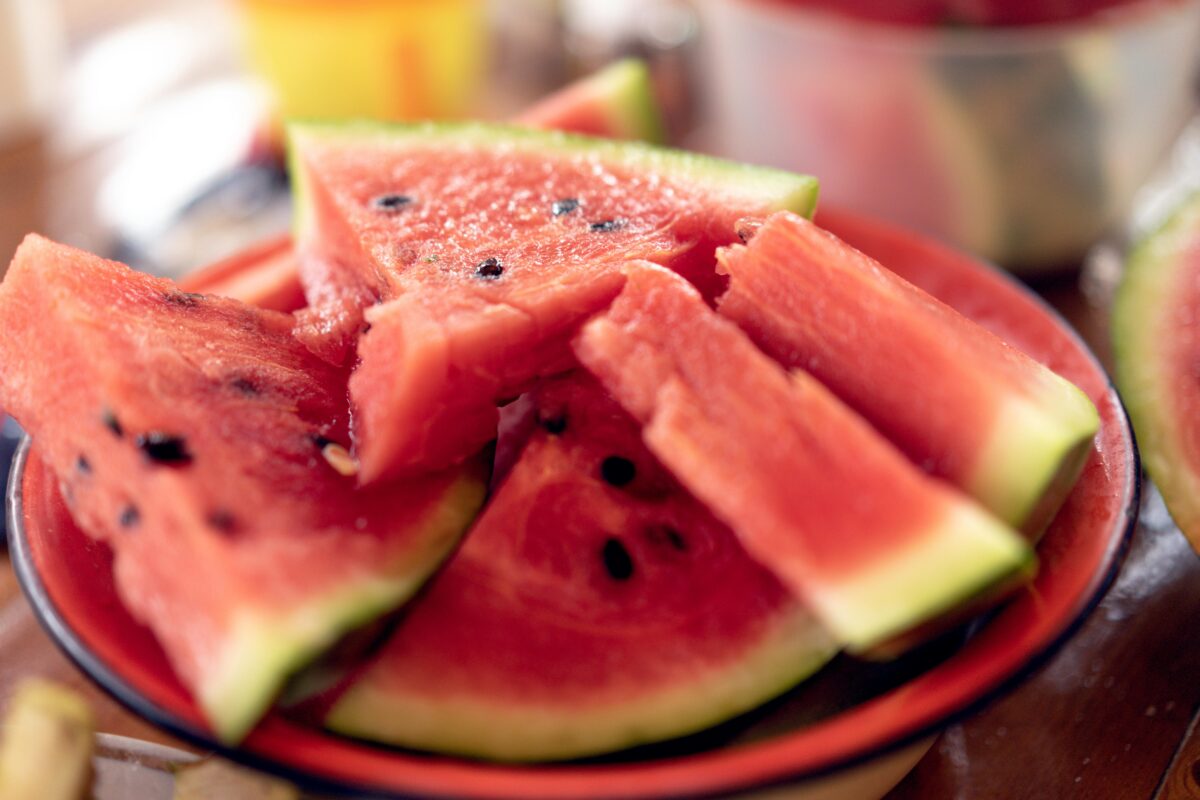
Yes, grocery stores sell watermelon all year. That does not mean all watermelon is worth buying all year.
The best time to buy watermelon usually starts near the end of May and runs through September. That is when domestic watermelons become more common, fresher, and better tasting. In many parts of the United States, late July and August are peak watermelon months because local harvests are at their strongest.
That timing matters.
A watermelon bought in the middle of winter may have traveled a long distance before reaching your store. It may look fine on the outside, but the flavor can be weak, dull, or watery. Summer melons, especially those grown closer to where you live, tend to be sweeter and more satisfying.
So the first rule is simple: buy more watermelon in summer and be more cautious during the off-season.
Mini Watermelons Are Convenient, But Usually Cost More
Personal watermelons have become very popular, and it is easy to understand why.
They are smaller, lighter, easier to carry, and just the right size for one person or a small household. You do not have to clear half your fridge to store one. You do not have to spend the next four days trying to finish a giant melon before it turns mushy.
Taste-wise, mini watermelons are often similar to regular watermelons. The biggest difference is size and price.
You usually pay more per pound for a personal watermelon than you do for a full-sized one. But that higher price may still make sense if you often throw away part of a large watermelon. A cheaper big melon is not really cheaper if half of it ends up in the trash.
For families, parties, and backyard cookouts, a full-sized watermelon is usually the better deal. For one or two people, a mini watermelon can be the smarter choice.
Seedless Watermelons Are Everywhere Now
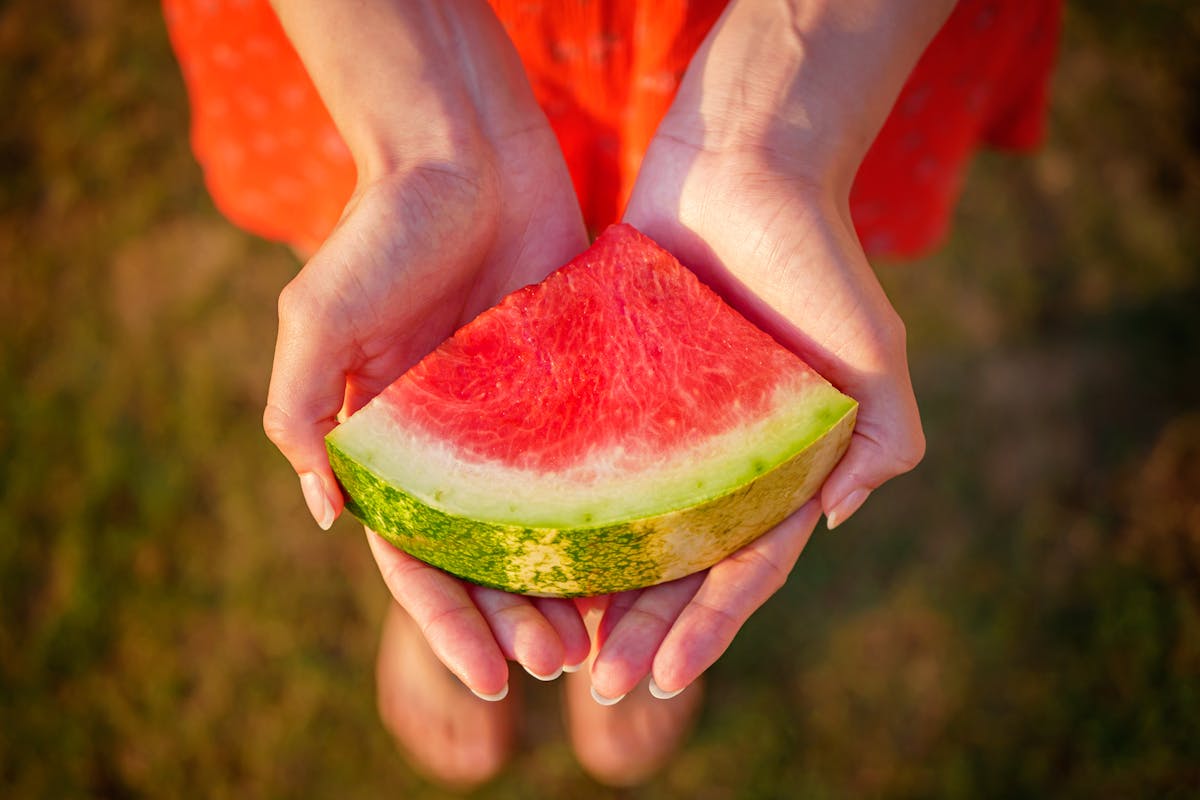
Most grocery stores now carry more seedless watermelons than seeded ones.
Seedless watermelon is popular because it is easy to eat. You can slice it, cube it, blend it, or serve it to kids without dealing with black seeds. That convenience has made it the default choice for many shoppers.
But some watermelon fans still prefer seeded varieties. They believe seeded watermelons often have a richer, sweeter flavor. That belief is common, especially among people who grew up eating old-fashioned summer melons from farm stands, roadside markets, or backyard gardens.
The catch is that seeded watermelons are harder to find. They are usually available only during peak season, and many large grocery stores do not carry them often.
You cannot always tell seeded and seedless melons apart by shape alone. Some seeded watermelons may look more elongated, but that is not a reliable rule. The best move is to check the bin label or the sticker on the watermelon.
Yellow and Orange Watermelons Are Worth Trying
Not every watermelon is red inside.
Some watermelons are yellow or orange, and they can surprise people who slice into one expecting the usual bright red flesh. From the outside, these melons often look like regular watermelons, so the label matters.
Yellow and orange watermelons can be seedless or seeded. Many of them taste sweeter, softer, and milder than red watermelon. Some have a honey-like flavor. Others are more delicate and less bold than the classic red kind.
They are fun for fruit salads, summer trays, cookouts, and anyone who wants something a little different without getting too adventurous.
The main thing to know is that the outside will not always give them away. Read the sign, check the sticker, and do not assume every green watermelon is red inside.
Black Diamond Watermelons Have Their Own Fan Base
Black Diamond watermelon is one variety that stands out before you even cut it open.
Instead of the classic striped rind, Black Diamond watermelons usually have a dark green skin that can look almost black. Inside, they are red, juicy, and known for a sweet, rich flavor.
These melons are more common at farmers’ markets, local produce stands, and stores that carry regional produce. Some larger chains may carry them during the summer, especially in areas where they are grown nearby.
Black Diamond watermelons are a good reminder that not all watermelons are the same. Variety matters. A basic seedless watermelon from a supermarket bin can be good, but a locally grown variety at peak season can be much better.
The Yellow Spot Is One of the Best Clues
Everyone has a watermelon trick.
Some people tap the rind and listen for a hollow sound. Some check the weight. Some look at the stem. Some swear by webbing, stripes, shape, or sugar spots.
But one of the easiest and most useful signs is the yellow field spot.
That spot forms where the watermelon rested on the ground while growing. Since that side was not exposed to the sun, it develops a pale or yellow patch. A deep yellow or creamy yellow spot can be a good sign that the watermelon had enough time to ripen on the vine.
A white or very pale spot may suggest the melon was picked too early.
This is not a perfect system, but it is simple and practical. Look for a watermelon that feels heavy for its size and has a strong yellow field spot. That gives you a better chance of finding one with real sweetness.
Price Can Change Fast
Watermelon prices move around depending on season, store, region, supply, and sales.
In the source article, mini watermelons ranged from about $2.50 to $5.99 at several grocery chains, while whole seedless watermelons ranged from about $6.95 to $8.99 at the stores checked. H-E-B and Meijer had especially attractive mini watermelon prices in that snapshot, while Safeway was on the higher end.
Those prices can change quickly, but the pattern is useful.
Mini watermelons often cost less upfront but more for the amount of fruit you get. Whole watermelons usually give you more value, especially for families. Store sales can make a big difference, so it pays to compare prices if you shop at more than one chain.
Also, prices tend to improve as the season gets stronger. Early-season watermelons may cost more and taste less impressive. Peak-season melons are often better and may be cheaper.
A Good Watermelon Is About Timing, Type, and Clues
Buying watermelon is not just about grabbing the biggest one in the bin.
Start with timing. Late May through September is usually the strongest buying window, with July and August often bringing the best flavor in many areas.
Then choose the type that fits your household. A mini watermelon works well for one person or a small fridge. A full-sized melon is better for families, parties, and meal prep. Seedless is convenient. Seeded may offer old-school flavor if you can find it. Yellow and orange varieties bring a fun change. Black Diamond is worth trying if your local market carries it.
After that, inspect the melon. Look for a creamy yellow field spot. Choose one that feels heavy for its size. Avoid melons with major soft spots, cracks, or deep bruises.
Watermelon is one of summer’s simplest pleasures, but the best one in the bin rarely gets picked by accident.
A little knowledge can mean the difference between a flat, watery melon and the kind of sweet, cold slice that reminds you why watermelon season still matters.