12 Everyday Concepts You Thought Were Ancient But Are Shockingly Modern
We move through life as if the words we use, risk, privacy, intelligence, and fun, have always meant what they mean today. Spoiler: they haven’t. Most of the ideas we take for granted are surprisingly young, shaped by science, psychology, industry, law, and culture in the last few centuries.
Here’s a look at the everyday concepts you probably assumed were timeless, and why your ancestors would barely recognize them.
Risk Became a Number, Not Fate
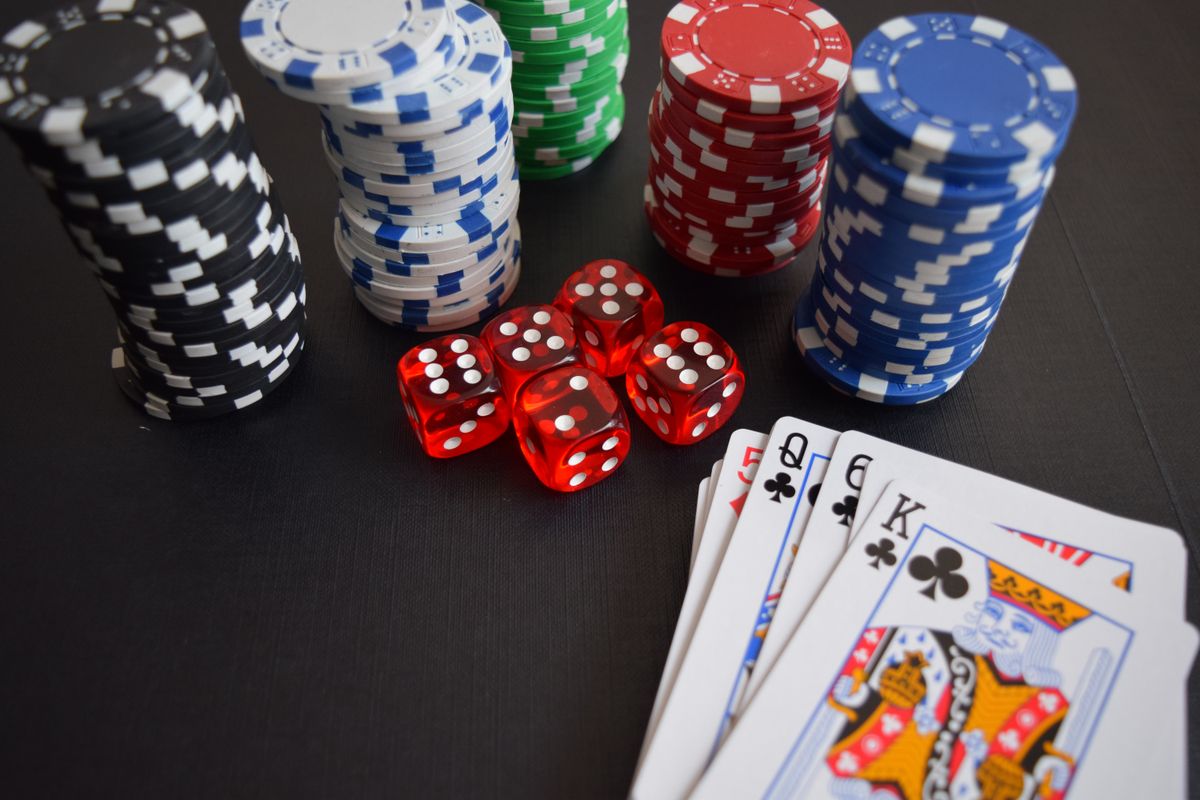
Gambling, insurance, investing, today we calculate risk like it’s a formula. But until the 1600s, the future was left to luck, gods, or fate. Blaise Pascal and Pierre de Fermat turned gambling disputes into math, giving birth to probability theory.
Now, risk runs markets, medicine, and even travel safety.
Intelligence Got a Score
IQ, aptitude, and talent assessments are everywhere. Ancient Greeks spoke of intellect as a divine gift or a moral faculty, not something you could measure.
Modern psychology and Darwin’s ideas made intelligence measurable and comparable, turning adaptability into a score and changing how schools and workplaces select talent.
Privacy Became a Legal Right
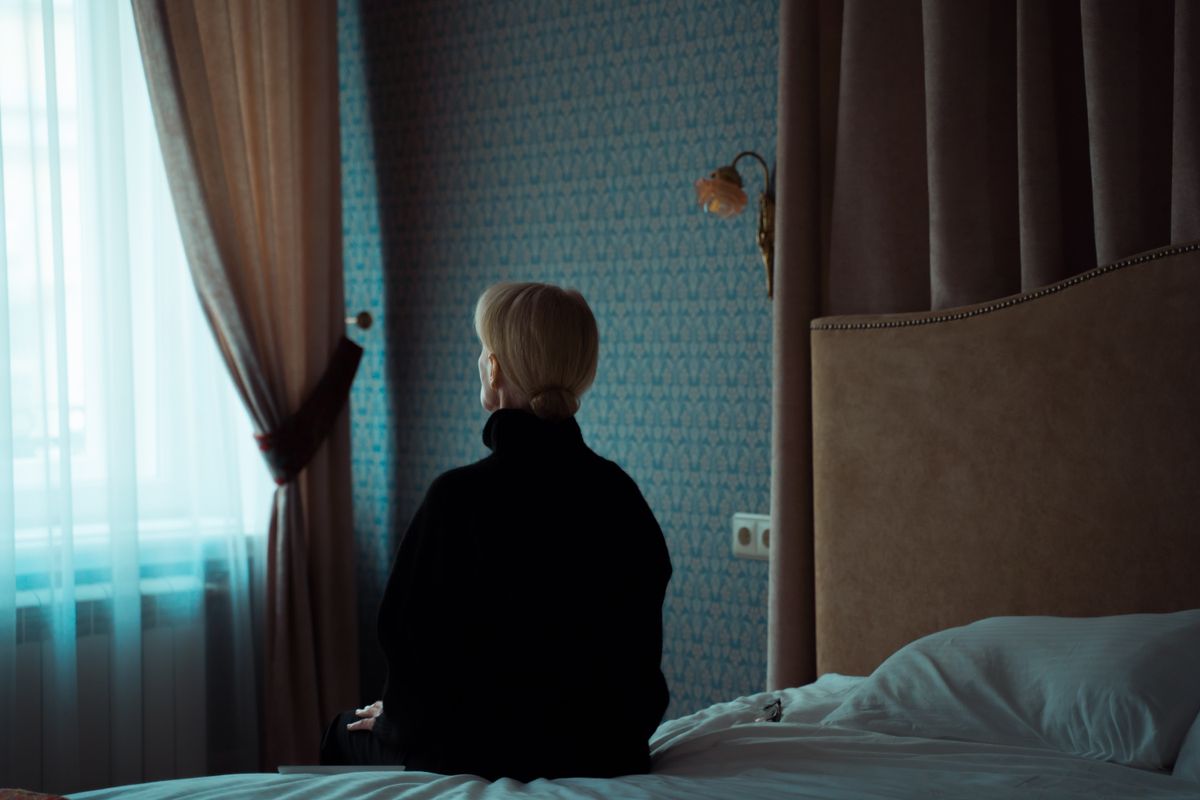
Today, privacy is a protected right. Before 1890, it was mostly common sense. Families slept together, bathed communally, and public life was intertwined with private life.
Modern law, technology, and urbanization created the idea that your personal life can and should be legally off-limits to others.
Normal Became a Statistic
“Are you normal?” sounds casual now, but normal didn’t exist as a concept until the 1800s. Adolphe Quetelet introduced the bell curve to human traits, turning averages into a social expectation.
Medicine, education, and workplaces now hinge on statistical norms that ancient societies couldn’t have imagined.
Fun Became a Serious Pursuit
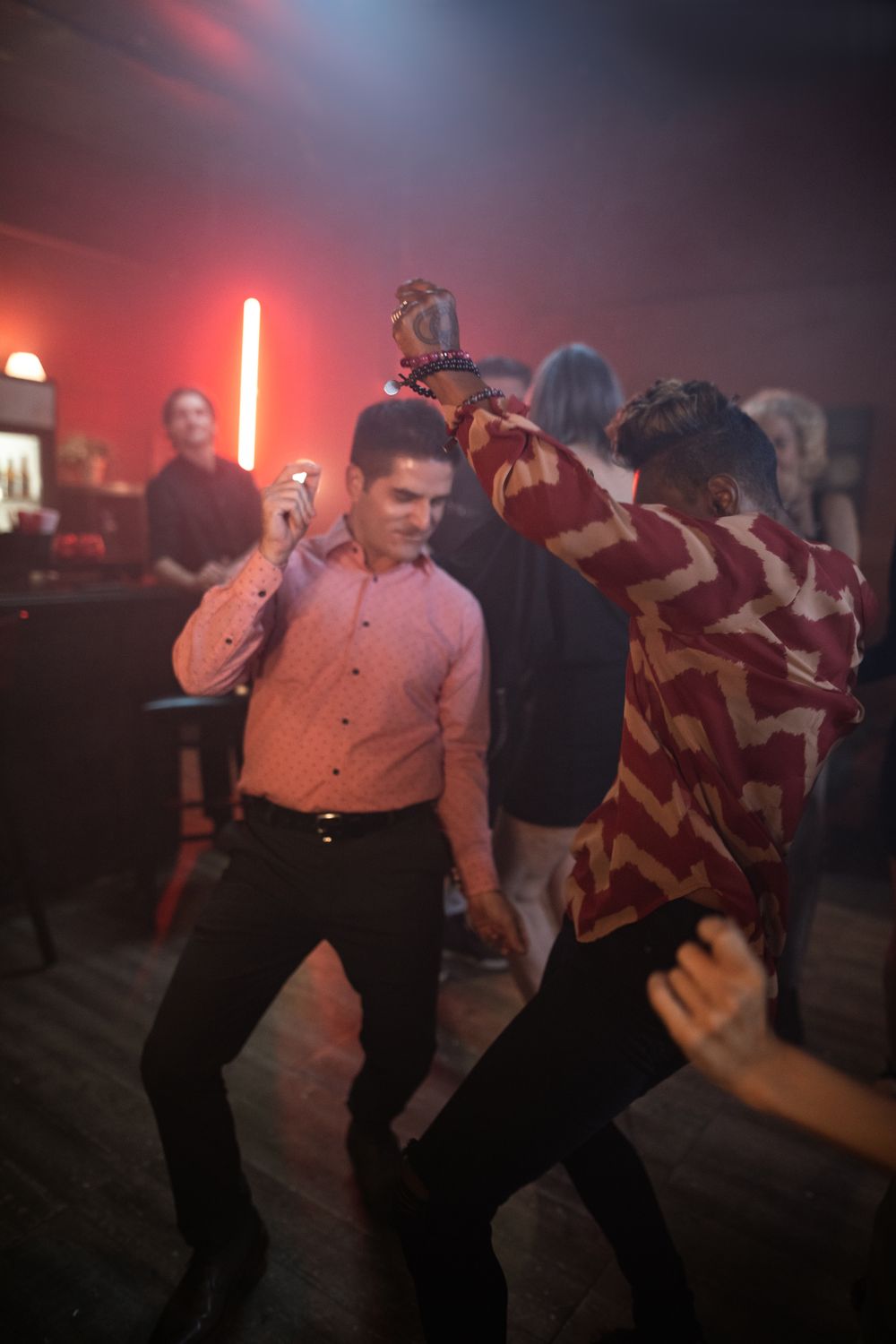
Leisure wasn’t always its own category. Shakespeare never used “fun” as we do, meaning foolishness or tricks. Industrialization separated work and play, making enjoyment a goal rather than a byproduct.
Today, fun is an industry worth billions from streaming and gaming to travel and entertainment apps.
Progress Became an Expectation
Ancient cultures saw history as cycles, not linear improvement. Sir Francis Bacon changed that, proposing that each generation could build on the last.
The modern world now expects advancement, better tech, longer life, more equality, and disappointment if society stalls.
Motivation Became a Science
Your drive isn’t just “willpower” anymore. Modern psychology frames motivation in terms of instinct, reward, and external influence. René Descartes, Darwin, and William
McDougall helped shift the focus of behavior from moral choice to measurable response, fueling workplace incentives, productivity apps, and habit science.
Emotions Became Data
Today, psychologists measure anger, joy, and fear. Historically, emotions were moral or spiritual states: passions of the soul.
By the late 1800s, scientists like Darwin began treating them as inherited, biological, and measurable, turning feelings into something we can analyze, quantify, and optimize.
Forgiveness Became a Personal Moral Ideal
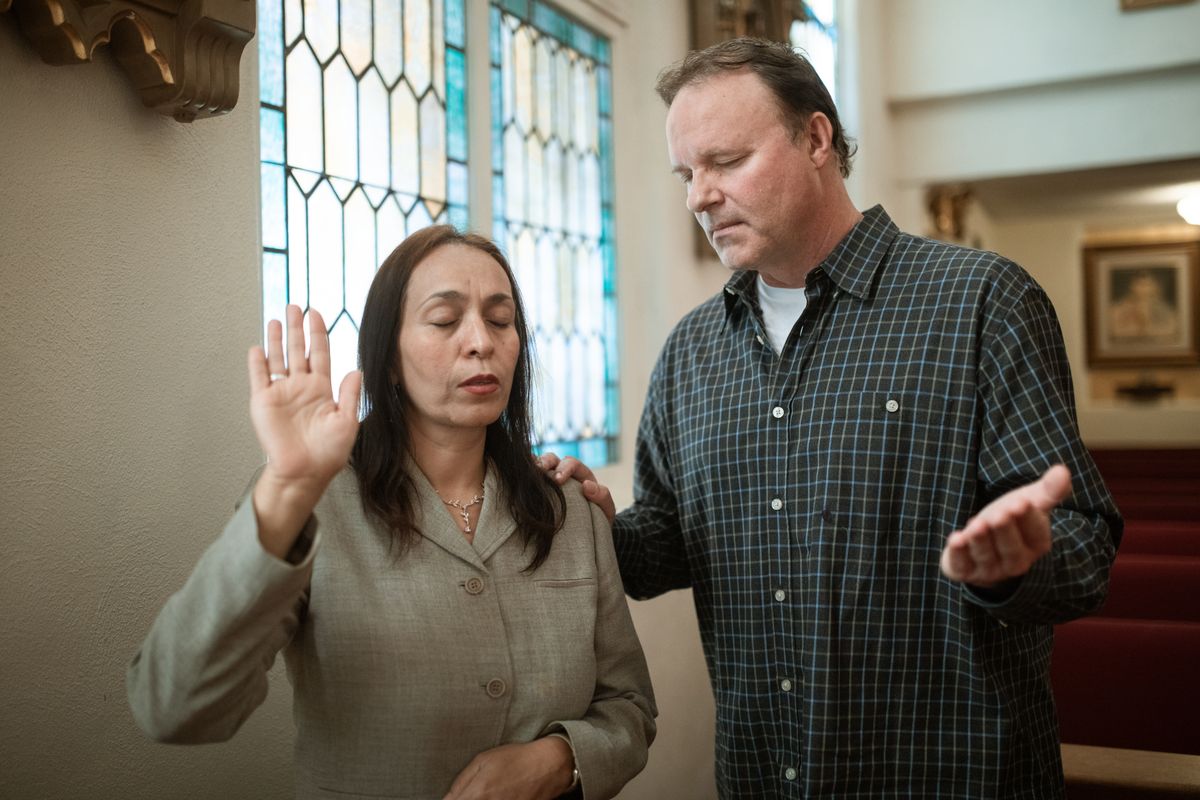
In ancient Greece and Rome, apologies were about social order or appeasement, not inner reflection. Modern culture frames forgiveness as personal growth: feel remorse, repair relationships, heal emotionally.
Therapy, religion, and restorative justice cemented this idea as a moral and emotional expectation.
Art Became Art for Its Own Sake
Art didn’t have to teach, preach, or glorify until the 1800s. “L’art pour l’art” argued that beauty alone was reason enough.
Paintings, songs, and poetry could exist just to move, challenge, or delight. Today, art is personal, expressive, and unbound from moral instruction.
Childhood Became Protected
Kids were once treated as small adults: labor, danger, and responsibility arrived early. Industrialization, schooling, and psychology redefined childhood as a developmental stage, safe and nurtured.
Toys, education, and structured play are modern inventions that shield childhood from adult pressures.
Careers Became Identity
Work once reflected family, class, and survival. Modern careers tell a story: who you are, what you value, and where you’re headed.
Resumes, LinkedIn profiles, side hustles, and personal brands turn jobs into identity markers, something your ancestors would barely recognize