Hurricane preparedness for Florida, Texas, Louisiana, Georgia, and the Carolinas
As hurricane season officially opens, meteorologists are urging coastal and inland residents alike not to let a calmer forecast create a false sense of security. Even in years expected to be less active, experts say a single storm can still reshape communities, disrupt travel, and put lives at risk in a matter of hours.
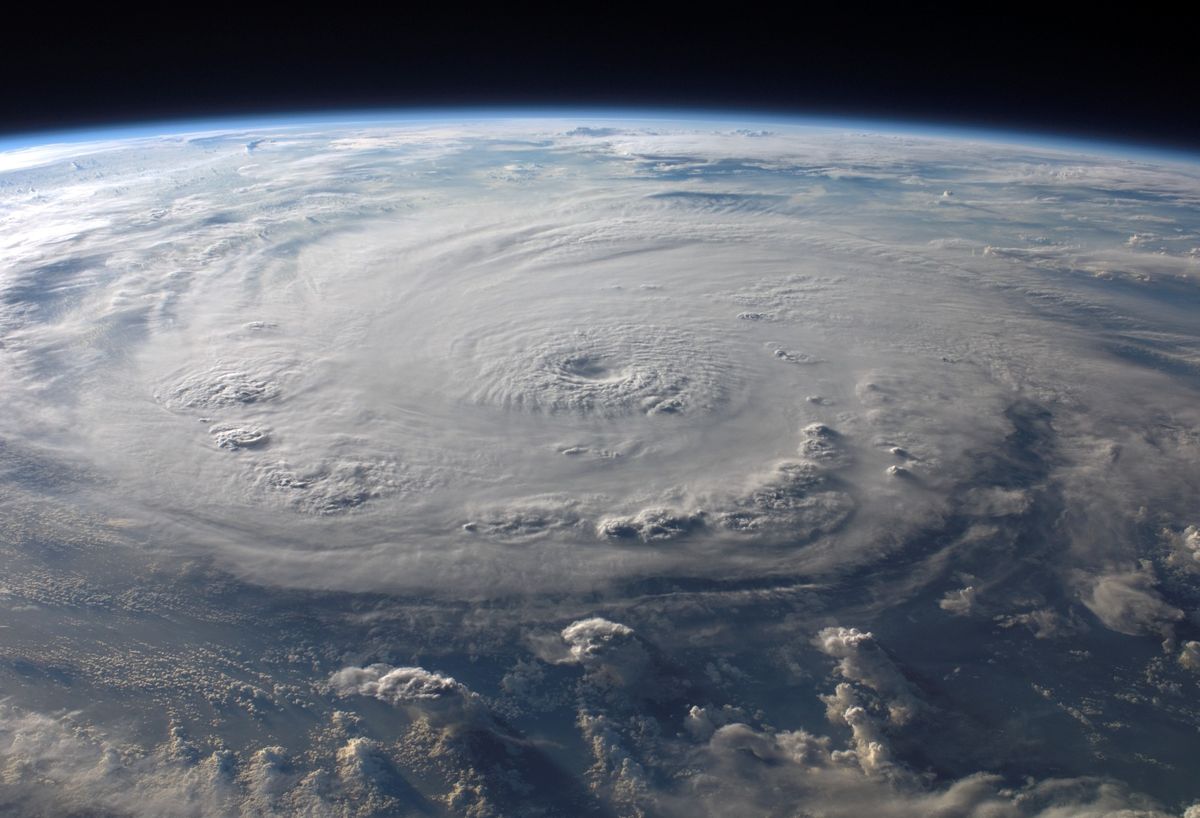
The 2026 Atlantic hurricane season runs from June 1 through November 30, a period that historically produces most of the tropical storms and hurricanes affecting the United States, the Caribbean, and parts of Central America. While early outlooks suggest a potentially quieter season compared to recent years, forecasters stress that conditions can shift quickly as ocean temperatures, wind patterns, and atmospheric systems evolve.
Officials emphasize that preparation is not about predicting a busy or quiet season, but about responding to the reality that hurricanes remain unpredictable. Storms can form rapidly, strengthen unexpectedly, and change direction with little warning, leaving even well-prepared regions facing sudden emergencies.
In recent seasonal assessments, meteorologists have pointed to a mix of factors shaping 2026 activity, including developing El Niño conditions and ocean temperature patterns across the Atlantic basin. These influences can suppress storm formation in some cases, but they do not eliminate the threat. Even weaker seasons have produced devastating landfalls in the past, underscoring why experts continue to warn against complacency.
One of the strongest messages from forecasters is that preparedness should begin long before the first storm appears on radar. That includes reviewing evacuation routes, checking emergency supply kits, and ensuring communication plans are in place for families. Officials also recommend residents verify insurance coverage, secure important documents, and make plans for pets in case evacuation becomes necessary.
Another concern is how quickly conditions can escalate once a storm forms. Tropical systems often intensify over warm ocean waters, sometimes reaching hurricane strength in less than 24 hours. This leaves limited time for coastal communities to react, especially if forecasts change suddenly or tracks shift closer to populated areas.
Experts also highlight that hurricane impacts are not limited to coastal zones. Heavy rainfall, flooding, tornadoes, and power outages can extend far inland, affecting communities that may not typically consider themselves at risk. Roads can become impassable, utilities can fail, and emergency services can be stretched thin, even far from landfall locations.
Travel and daily routines can also be disrupted with little notice. Airports may shut down, highways can flood, and supply chains may slow as storms approach. For families planning summer travel, meteorologists suggest keeping plans flexible and monitoring forecasts regularly rather than relying on long-range forecasts alone.
The National Oceanic and Atmospheric Administration has consistently reinforced this message, reminding the public that even a below-average season can produce major impacts if just one storm makes landfall in a vulnerable area. Historical records show that some of the most destructive hurricanes have occurred during quieter forecast years.
Emergency officials also point to a common mistake made by residents: waiting until a storm is approaching before preparing. By that point, supplies such as bottled water, batteries, generators, and first aid items may already be in short supply. Preparation done early in the season helps reduce panic buying and ensures households are not caught off guard.
Communication is another key factor. Families are encouraged to establish contact plans in case cell networks become unreliable. Charging backup batteries, saving emergency contacts offline, and identifying safe meeting locations can make a significant difference during outages.
Even inland residents are advised to stay alert throughout the season. Storm remnants often move far from their original landfall points, bringing flooding rains and wind damage to areas hundreds of miles from the coast. In some cases, inland flooding has caused more damage than coastal winds.

Forecasters also note that modern technology is improving early warning systems, giving communities more time to respond than in past decades. Satellite tracking, improved modeling, and real-time alerts have strengthened forecasting accuracy, but they do not remove uncertainty from storm behavior.
As the season begins, the central message from experts remains consistent. Preparation should not depend on forecasts alone. It should be treated as a seasonal routine, similar to winter readiness in colder regions, ensuring that households are ready for disruptions even if they never occur.
Why it matters
The importance of hurricane preparedness goes beyond weather reports and seasonal predictions. It directly affects how families respond when conditions change quickly and how safely communities recover after storms pass.
A single hurricane can interrupt power for days, damage homes, flood neighborhoods, and strain emergency services across entire regions. Even storms that never make direct landfall can still trigger dangerous conditions such as rip currents, flash flooding, and transportation shutdowns.
For coastal states, the economic impact can also be severe. Businesses close, tourism slows, and recovery costs can stretch for months or even years after a major storm. For inland areas, flooding and infrastructure damage can still create long-lasting disruptions.
Experts emphasize that preparation reduces risk at every level. A stocked emergency kit, a clear evacuation plan, and awareness of alerts can significantly improve safety outcomes during extreme weather events.
As forecasters highlight, preparedness is not about expecting the worst-case scenario. It is about being ready for the one storm that does not follow the forecast.
Sources
https://weather.com/storms/hurricane/news/hurricane-season-tropical-storm-q-a
https://www.reuters.com/business/environment/us-scientists-forecast-below-normal-2026-atlantic-hurricane-season-2026-05-21/