AI Traffic Cameras Are Watching Drivers
A camera above the roadway no longer has to wait for a car to run a red light. The newest systems can look through a windshield, identify a hand wrapped around a phone, distinguish a seatbelt from clothing, and send a suspected violation for human review within seconds.
We are entering an era in which traffic enforcement is shifting from cameras that merely record events to systems that interpret them. Artificial intelligence does not simply photograph a vehicle.
It can classify objects, analyze behavior, read license plates, and connect several details into an evidence package.
That makes AI traffic cameras potentially more effective than traditional enforcement tools. It also makes them far more controversial.
How AI cameras detect texting while driving
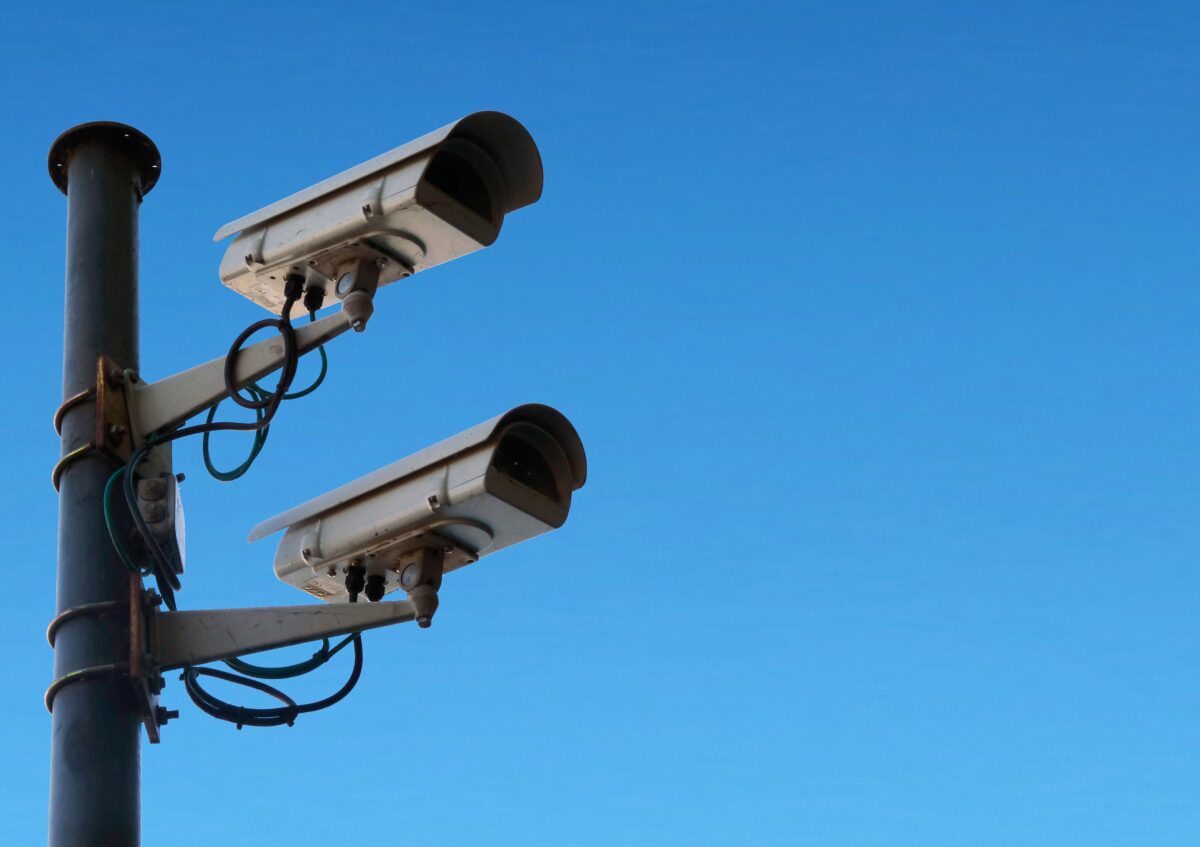
AI-powered traffic cameras usually combine high-resolution imaging, infrared illumination, automatic license plate recognition and computer-vision software.
A camera captures the vehicle from an elevated angle, allowing the system to see the driver’s hands, lap, shoulder area and dashboard.
The software scans each image for patterns associated with illegal behavior. It may flag a rectangular object in a driver’s hand, a phone held near the face, an unfastened shoulder belt or a passenger wearing a belt incorrectly.
Systems developed by Acusensus are designed to detect handheld phone use, seatbelt violations, speeding and vehicles appearing on watchlists, with potential violations passed through human review.
The typical process looks like this:
This distinction matters. In many programs, the algorithm does not make the final legal decision. It identifies a possible offense, while a trained official decides whether the evidence supports enforcement.
Why AI traffic cameras are different from speed cameras
Traditional speed cameras answer a narrow question: Was a vehicle traveling above the programmed limit? Red-light cameras ask whether a vehicle crossed a line after the signal changed.
AI systems can examine several behaviors at once. One camera may detect speeding, phone use, seatbelt compliance, and identify vehicle features. It can also operate continuously, reducing the practical limits of officer-based observation.
The result is enforcement at a scale that patrol officers could not match. Los Angeles Metro uses bus-mounted cameras to document vehicles blocking bus lanes and stops. LADOT employees review the evidence before issuing citations.
Metro said more than 10,000 citations had been issued during the first phase by May 2025, and the program now operates on five bus lines serving more than 61,000 daily riders.
Santa Monica expanded the model in 2026. Its automated bike-lane enforcement system began issuing $93 citations on July 1 after a warning period.
The city said an earlier six-week pilot identified nearly 1,700 bike-lane violations, with each automated evidence package reviewed by an enforcement officer.
These programs focus on lane obstruction rather than texting, but they show how quickly machine-assisted enforcement can move from trial to routine municipal practice.
Could AI issue a texting-and-driving ticket in the United States?
Technically, yes. Legally, the answer depends on state law, local ordinances, and how the system is designed.
The camera may generate evidence strong enough to support a mailed citation, an officer-initiated stop or a warning.
Yet many jurisdictions still require a human reviewer, and some states restrict or prohibit specific forms of automated enforcement.
Mississippi illustrated the political limits in June 2026. State officials considered an Acusensus system capable of flagging phone use, seatbelt violations and other driving behavior for officers positioned farther down the road.
After lawmakers and residents raised privacy and legal concerns, the Department of Public Safety said it would not move forward with the proposed contract.
Virginia, meanwhile, expanded authority for photo speed monitoring in certain high-risk intersection segments and other designated safety zones.
The law includes limits on data use, requires deletion of violation information within a defined period and preserves a process for contesting citations.
We should therefore expect a patchwork rather than a single national rollout.
The road-safety case for AI enforcement
The public-safety argument is straightforward: distracted driving remains deadly, difficult to observe and easy to repeat when drivers believe police are absent.
In 2024, crashes involving distracted drivers killed 3,208 people and injured more than 315,000 in the United States.
Reading or sending a text can take a driver’s eyes off the road for about five seconds, equivalent to traveling the length of a football field at 55 mph without looking.
Research also suggests that advanced cameras can change behavior. A 2025 study highlighted by the London School of Economics found that AI-powered traffic cameras reduced crashes near monitored intersections by detecting more violations, improving real-time records and increasing the perceived likelihood of punishment.
The researchers also found evidence that the deterrent effect extended beyond the exact camera locations.
Australia offers the clearest large-scale test. New South Wales began mobile-phone camera enforcement in 2019 and later adapted the network to detect seatbelt violations.
In the first three weeks of seatbelt enforcement in 2024, the state issued more than 11,400 penalties, with roughly three-quarters involving incorrect seatbelt use.
The privacy problem inside the vehicle
A speed camera normally records a vehicle’s exterior, location and plate. A distracted-driving camera may capture the driver’s face, hands, passengers, clothing and objects inside the cabin.
That creates several unresolved questions. How long are non-violation images retained? Can another agency search them? Can the images be used for investigations unrelated to traffic safety? Who audits the algorithm for errors? What happens when a phone-shaped object is actually a wallet, snack, or medical device?
The controversy grows when traffic cameras feed searchable license-plate networks. A 2026 federal lawsuit challenging San Jose’s Flock camera system alleged that hundreds of AI-enhanced readers collected vast numbers of vehicle images and allowed officials to search movements by plate, vehicle type, and distinctive features.
The claims remain allegations before the court, but they demonstrate how quickly traffic data can become location surveillance.
Civil-liberties advocates have also warned that data-sharing terms may permit information to move beyond the agency that collected it, even when local officials believe access is restricted.
What responsible AI traffic enforcement should require
If we use AI cameras to prevent deaths, the rules must be as advanced as the technology.
A defensible system should require human confirmation before punishment, public disclosure of camera locations and capabilities, strict limits on secondary use, short retention periods, independent accuracy testing and a simple appeals process.
Agencies should publish error rates, citation outcomes and demographic-impact audits rather than asking the public to trust proprietary software.
The central issue is not whether AI can catch us texting and driving. It already can.
The real question is whether governments can use that power narrowly, transparently and fairly. A camera capable of spotting a phone in a moving vehicle may save lives.
A network that permanently records where everyone travels could quietly reshape the boundary between road safety and personal privacy.
AI traffic enforcement will expand because its capabilities are improving and distracted driving remains a serious threat.
Public acceptance, however, will depend on a clear promise: the system must watch for dangerous conduct without turning every journey into a permanent government record.