Walmart is receiving tariff refunds from the government, while customers who paid higher prices during the tariff period receive no compensation.
The price tag went up. The receipt stayed high. Now the refund may be going somewhere else entirely.
A new debate is building around tariff refunds, Walmart, and the everyday shoppers who paid more for imported goods during years of trade pressure between the United States and China. The issue is simple enough to anger almost anyone standing in a checkout line. When tariffs raised costs, consumers often felt the pain in higher prices for clothing, electronics, furniture, household goods, and other imported items. Now that some of those duties may be refunded by the government, the money is expected to flow back to importers, not to the customers who paid those higher prices.
Why Shoppers Paid More but May Not Get Refunded
Tariffs are collected at the border, not at the cash register. That detail matters because the government recognizes the importer of record as the party that paid the duty. In many cases, that importer is the retailer, its sourcing arm, or its customs broker.
For shoppers, the experience looked very different. They did not file customs paperwork. They did not receive a duty bill from the federal government. They simply saw prices rise on products they needed or wanted, often citing tariffs as one reason. Families buying school clothes, kitchen items, electronics, toys, and home goods may have absorbed those added costs without realizing how the refund system would work later.
That is where the frustration begins. If a company passes tariff costs on to consumers and later receives a government refund, shoppers have no automatic way to claim their share. There is no standard federal rebate system that sends money back to buyers. There is no receipt-based refund process for the public. The cash moves through the customs system, not through the checkout lane.
Walmart Becomes the Face of a Bigger System
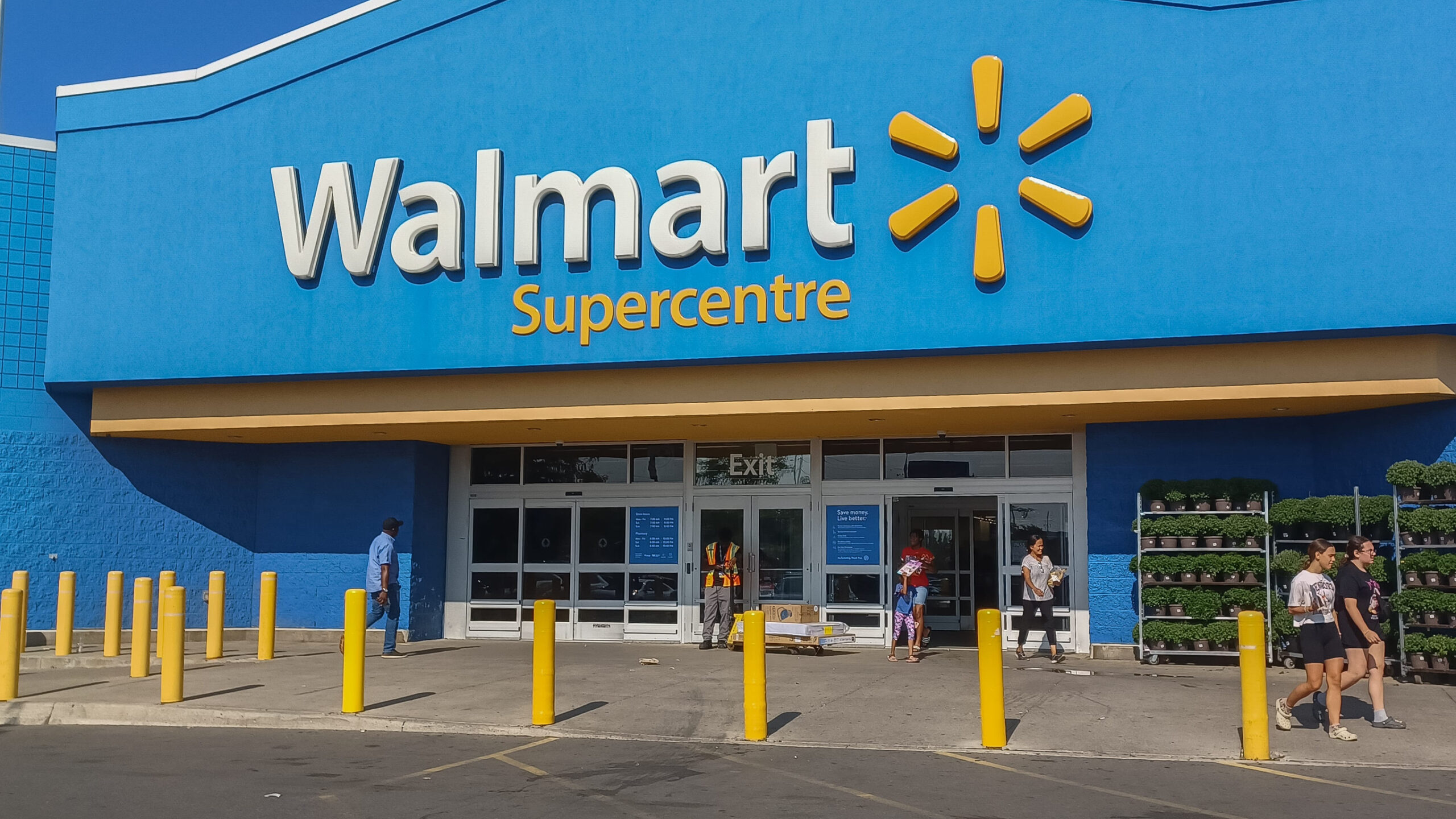
Walmart is drawing attention because of its size, its massive import network, and its role in the everyday lives of American shoppers. Millions of households rely on Walmart for groceries, clothing, home goods, electronics, cleaning supplies, and basic family needs. That makes the tariff refund issue feel more personal.
This is not just about one company. It is about how the trade system treats businesses and consumers differently. Retailers and importers can track shipments, tariff classifications, customs entries, and refund eligibility. Ordinary shoppers cannot. A family that paid extra for a toaster, a backpack, a crib, or a set of towels has no realistic path to recover the difference.
The result feels lopsided. Consumers were close enough to the tariff fight to pay higher prices, but too far away from the legal process to receive refunds. Companies sit at the official point of contact with the government. Shoppers sit at the end of the supply chain, holding receipts that may no longer mean anything.
The 45 Day Refund Timeline Adds Pressure
The report says U.S. Customs and Border Protection has been preparing an automated process that could handle tariff refunds within about 45 days. That suggests the government expects a significant volume of refund activity. It also suggests large importers may soon have a faster path to recover money tied to past duties.
For major retailers, the incentive is obvious. A tariff refund can improve cash flow, strengthen margins, and add flexibility to corporate finances. Companies can use that money in many ways. They might lower prices, fund promotions, invest in logistics, reduce debt, expand private label products, or support shareholder priorities.
The problem is transparency. Shoppers may never know how much money a retailer receives in tariff refunds or how those refunds affect store prices. If shelf prices remain the same, consumers could reasonably ask why relief from the government did not lead to relief at the register.
The Fairness Question Is Bigger Than Walmart
Tariffs were often presented as a tool to pressure foreign producers and protect American interests. In practice, many economists and consumer advocates have argued that tariffs can function as a hidden tax on buyers when businesses pass the costs on. That means households may carry part of the burden through everyday purchases.
Now the refund process raises a second question. If the original burden was borne by shoppers through higher prices, should the relief also reach them in some form? Under current customs rules, the answer appears to be no, unless companies voluntarily pass savings back to customers.
That gap creates a public trust problem. Consumers were told that higher prices were tied to external pressures, supply chain disruptions, inflation, tariffs, and import costs. If some of those costs are later reversed, people naturally expect prices to ease. When that does not happen, the system appears to work faster for corporate accounts than for family budgets.
What Shoppers Should Watch Next
The biggest clue may appear in corporate financial reports. If retailers receive large tariff refunds, analysts may start watching for improved profit margins, stronger cash positions, or comments from executives about tariff-related gains. Shoppers, meanwhile, will look for something much simpler. They will look at prices.
If Walmart or other retailers use refund money to lower prices, offer promotions, or reduce costs on popular goods, consumers may feel some indirect benefit. If the money stays inside corporate balance sheets, the anger could grow. The issue may also attract attention from lawmakers who want more disclosure about how tariff refunds are handled and whether companies should explain what they do with the money.
For now, the system is not designed around the shopper. It is designed around the importer. That may be legally clean, but it is emotionally messy. The American consumer helped absorb the cost when tariffs made goods more expensive. Now, as refunds move back through government channels, many shoppers may be left asking the same uncomfortable question at the checkout line: if we paid the higher price, why are we not getting anything back?