
Stephen A. Smith Says the Evidence in the Karmelo Anthony Case Showed Murder
Stephen A. Smith stepped into one of America’s most emotionally charged criminal cases and did what he is known for doing. He said the quiet part loudly, plainly, and without dressing it up for either side.
The case of Karmelo Anthony and Austin Metcalf had already become bigger than a courtroom. It had become a national argument about race, self-defense, youth, justice, grief, punishment, and what people choose to believe when a case becomes a symbol. But Smith’s reaction did not lean into the noise. It leaned into the evidence.
Anthony, now 19, was convicted of murder in the fatal stabbing of 17-year-old Austin Metcalf during a high school track meet in Frisco, Texas. He was sentenced to 35 years in prison after a jury rejected the defense argument that he acted in self-defense. That verdict did not end the debate. It only moved it from the courtroom into the public square.
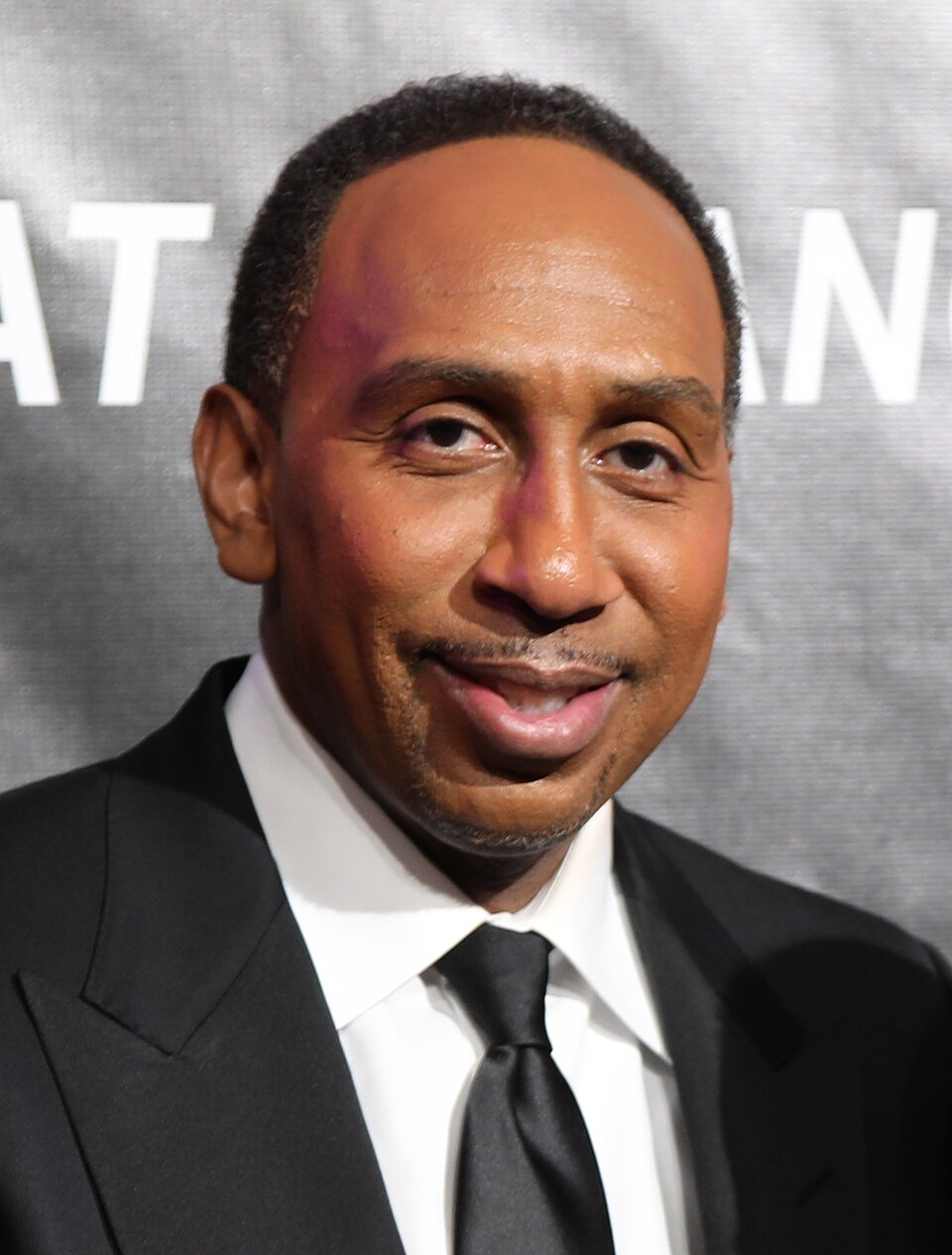
Smith’s position was striking because he did not speak like someone eager to condemn a young man. He spoke like someone who wanted to find a reason not to. That is what gave his comments weight. He made it clear that he understood the pain of watching another young Black man go to prison, but he also refused to let that pain erase the reality of a life taken.
The confrontation began under a team tent during a rainy track meet. Anthony had taken shelter under a tent used by students from another school. Metcalf and others asked him to leave. Words were exchanged. Tension rose. Then, in a moment that shattered two families and stunned a community, a knife came out, and Metcalf was stabbed in the chest.
That is the point Smith kept circling back to. Not the politics around the case. Not the internet arguments. Not the emotional pressure to pick a side based on identity. His reading was simpler and much colder. A teenager was unarmed, a knife was used, and another teenager died.
The defense told the jury that Anthony reacted out of fear after being confronted and shoved. That argument found support among people who saw the case as a possible failure to fully weigh panic, youth, and self-protection. But the jury did not accept that explanation. Prosecutors painted the stabbing as an act that crossed the legal line from confrontation into murder, and the conviction showed the jury agreed.
Smith’s comments landed hard because he refused to treat the case as a cultural loyalty test. In a country where high-profile trials are often turned into team sports, his message was uncomfortable for many people. He was not saying the justice system is perfect. He was not saying race never matters. He was saying that, in this case, the evidence before him pointed one way.
Stephen A. Smith’s Reaction Under the Media Spotlight
Smith’s reaction did not exist in a vacuum. It spread quickly across television segments, social media clips, and sports talk commentary threads where every word was dissected. As one of the most recognizable voices in American sports media, he instantly turned his framing of the case into its own headline.
What made his stance notable was not just what he said, but the tone he used. There was no theatrical outrage, no performance of certainty for attention. Instead, he approached the case like someone weighing a painful conclusion rather than celebrating one. That distinction is part of why his comments gained traction far beyond sports audiences.
In an environment where public figures often soften their language to avoid backlash, Smith’s willingness to describe the situation as murder based on the evidence stood out. It added another layer to an already polarizing case, pulling it deeper into the national conversation.
Public Reaction and a Deeply Divided Response
The reaction to Smith’s comments split sharply along familiar lines. Some agreed with his blunt reading of the facts, saying he articulated what the jury ultimately confirmed. Others argued that his framing reduced a complex, emotional confrontation into a simplified moral judgment.
On social media, the debate intensified as clips circulated without context, each side interpreting his words through the lens of their own perspective on the case. For supporters, Smith was being honest in a way many public figures avoid. For critics, he was too quick to close the door on the possibility of fear, youth, and split-second decision-making.
What the reaction ultimately revealed was not just disagreement over one case, but a deeper divide in how Americans interpret violent incidents involving young defendants. Whether viewed through the lens of law, emotion, or identity, the same facts continue to yield very different conclusions.
There is no clean ending here. Austin Metcalf is gone. His family will never get back the son, brother, teammate, and young man they lost. Karmelo Anthony, who was also a teenager when the stabbing happened, is now facing decades in prison. Two families have been permanently marked by one violent moment that lasted only seconds but will echo for years.
That is what makes Smith’s reaction so powerful. He did not turn the case into entertainment. He did not hide behind vague words. He looked at the same public facts that millions of Americans were debating and said the evidence showed murder.
In the end, that is the brutal center of the story. A school track meet became a crime scene. A confrontation became a fatal stabbing. A jury delivered a murder conviction. And Stephen A. Smith, one of the loudest voices in American media, made it clear that emotion, race, and public pressure did not change what he believed the evidence showed.
The country can keep arguing about the sentence, the system, the racial tension, and the age of everyone involved. Those debates are not going away. But Smith’s message was direct enough to cut through the shouting. Before anything else, a young man lost his life, and a jury decided that what happened to him was murder.


