Grocery Price Index 2026: Why America’s Food Bills Are Still Rising Even as Weekly Price Growth Cools
Meta description: The latest Grocery Price Index signals a complicated year for American shoppers. Grocery inflation has cooled month-to-month, but beef, vegetables, beverages, and restaurant meals continue to put pressure on household budgets in 2026.
America’s Grocery Price Index Is Cooling, But the Checkout Shock Has Not Disappeared
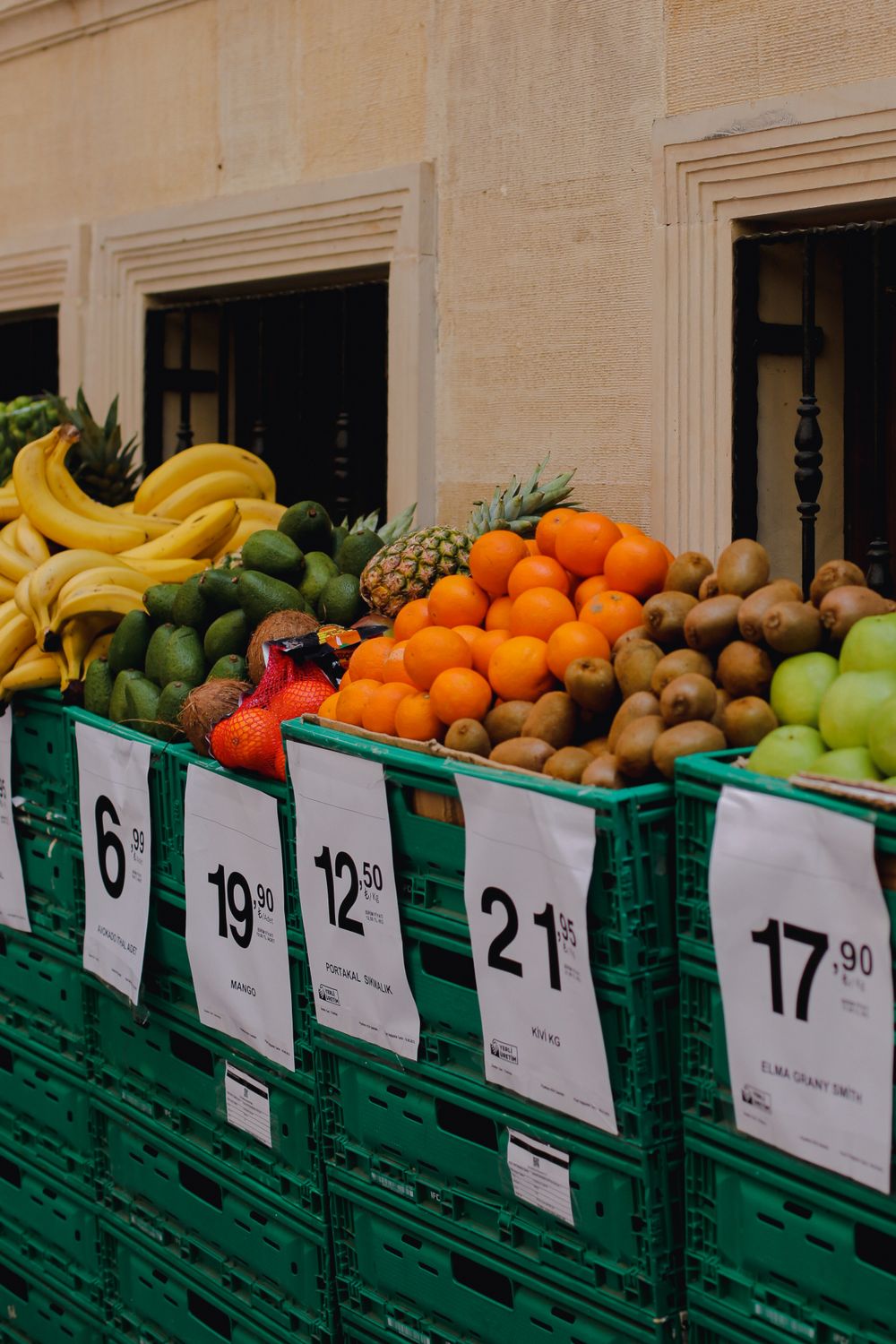
America’s grocery aisles are sending two messages at once. On the one hand, the latest government inflation data show that grocery prices are no longer rising at the brutal pace families remember from the peak-inflation years. On the other side, shoppers are still walking out of stores with lighter wallets, smaller carts, and sharper questions about why food still feels expensive.
That tension is exactly why the Grocery Price Index matters in 2026. It not only measures whether food prices moved up or down in a broad national average, but also It helps reveal how price pressure moves through categories, regions, store formats, promotions, and household shopping decisions.
The clearest picture is this: grocery inflation has slowed, but grocery affordability remains fragile. A small monthly increase can still feel painful when it lands on top of several years of higher prices. Families are not comparing today’s receipt with last month’s index reading. They are comparing it with what they used to pay for eggs, beef, milk, produce, snacks, cereal, coffee, and weekly meal staples before food inflation changed the baseline.
That is why we should not treat a cooler monthly Grocery Price Index as a full recovery. It is better understood as a pause in the climb, not a return to cheap groceries.
Latest Grocery Inflation Data Shows a Softer Monthly Increase
The latest food-at-home inflation reading shows that grocery prices rose only slightly month over month in May 2026. That is a meaningful slowdown after a stronger increase in April. For shoppers, this means the average grocery basket is not accelerating as sharply as it did earlier in the year.
Still, the year-over-year picture remains more uncomfortable. Grocery prices are higher than they were a year ago, and the pressure is not spread evenly across the store. Some categories are easing. Others are still moving in the wrong direction.
Fruits and vegetables remain a major pressure point. Nonalcoholic beverages, including coffee and tea-related products, are also driving part of the pain. Cereals and bakery products remain higher than last year, while meats, poultry, fish, and eggs have shown mixed movements depending on the specific item.
The most important lesson is that a national grocery inflation number can hide the reality inside a shopping cart. A household that buys more fresh produce, beef, coffee, juice, cereal, and convenience items may feel much more pressure than the headline index suggests. A household that can switch proteins, buy store brands, and plan around promotions may feel less.
Why Grocery Prices Still Feel High Even When Inflation Slows
Slowing inflation does not mean prices are falling. It means prices are rising more slowly. That distinction matters for every shopper looking at a receipt.
If a grocery item jumped from $4 to $5 during the inflation surge, a slower inflation rate does not send it back to $4. It simply means the next increase may be smaller. The new, higher price becomes the base. That is why many households feel frustrated when reports say grocery inflation is easing, even as their weekly spending still looks elevated.
This is the grocery price trap of 2026. The pace of increase is softer, but the price level is still high. Shoppers are not only fighting this month’s change. They are living with the accumulated effect of several years of higher food costs.
This also explains why promotions have become more important. A sale price no longer feels like a bonus. For many households, it is the difference between staying within budget and cutting something else from the cart.
The Grocery Categories Putting the Most Pressure on Shoppers
The strongest grocery pressure in 2026 is not coming from one single aisle. It is coming from a cluster of everyday categories that shoppers often buy and notice immediately.
Fresh Fruits and Vegetables
Produce remains one of the most visible sources of grocery stress. Fresh vegetables are especially sensitive to changes in weather, labor, transportation, fuel, and regional supply. When tomatoes, lettuce, peppers, potatoes, onions, berries, apples, or citrus shift in price, shoppers notice quickly because these items sit at the center of everyday meals.
Produce prices also create a health squeeze. Families trying to eat better often rely on fresh fruits and vegetables, but higher produce costs can push shoppers toward cheaper shelf-stable or processed alternatives. That makes grocery inflation more than a money issue. It can change how families eat.
Beef and Veal
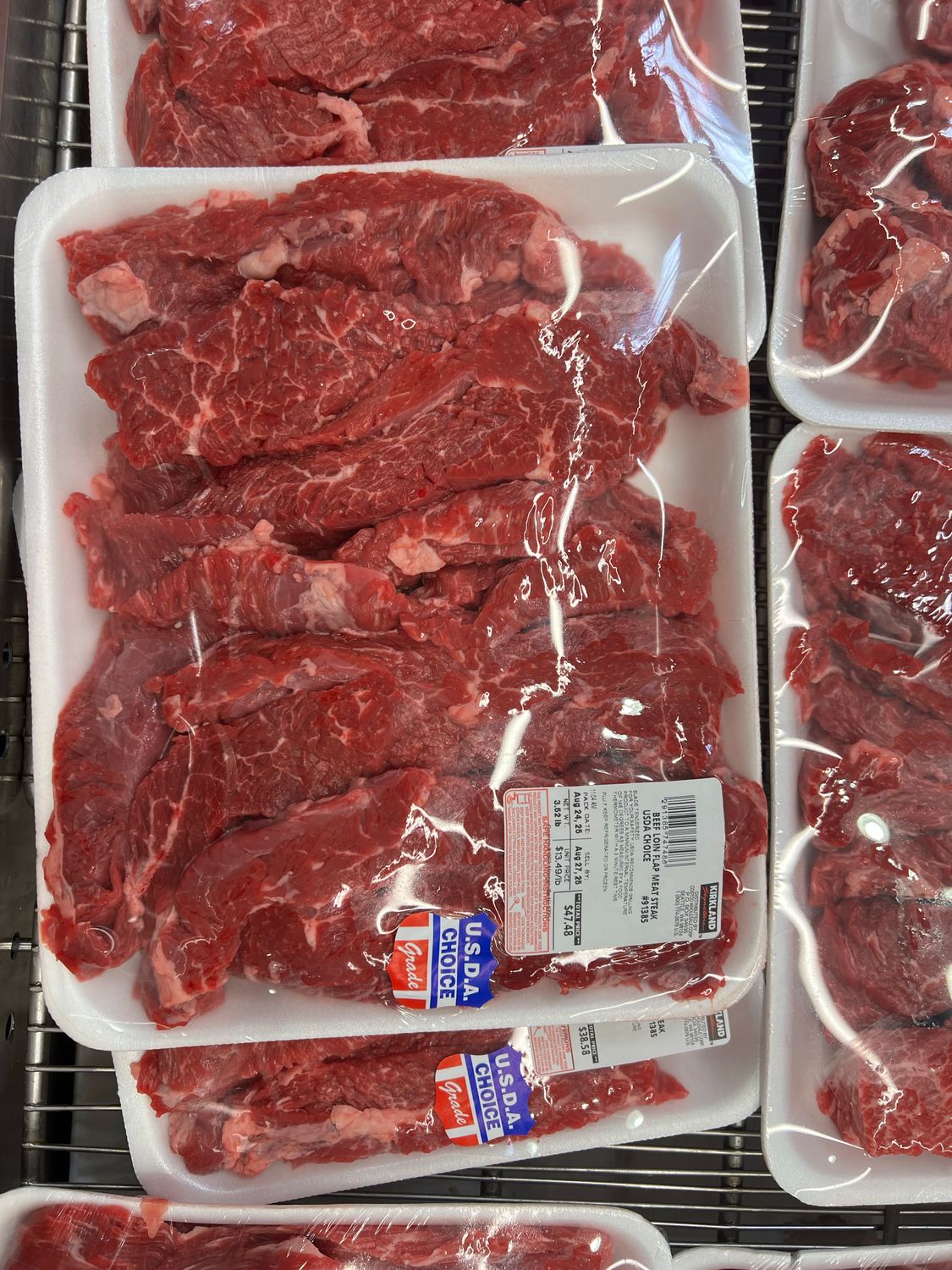
Beef remains one of the most-watched grocery categories in 2026. Tight cattle supplies, strong consumer demand, higher feed costs, drought pressure, and processing costs continue to affect retail meat prices.
For households, beef inflation shows up in simple dinner decisions. Ground beef, steak, roasts, stew meat, and premium cuts become harder to buy regularly. Many shoppers respond by shifting toward chicken, pork, beans, eggs, pasta, rice bowls, or frozen meals. Restaurants also feel the pressure because burgers, steaks, tacos, barbecue, and meat-heavy entrees depend on stable beef costs.
Coffee, Tea, Juice, and Nonalcoholic Beverages
Nonalcoholic beverages are one of the quiet budget breakers. Coffee, tea, juices, bottled drinks, sports drinks, energy drinks, and flavored beverages can add up quickly because they are often repeat purchases.
Coffee is especially sensitive because the supply chain is global. Weather in producing regions, shipping costs, currency changes, packaging, and demand all influence what shoppers pay. When coffee rises, it hits both grocery stores and restaurants. A household may see it in the supermarket coffee bag, the cold-brew bottle, and the morning café run.
Cereal and Bakery Products
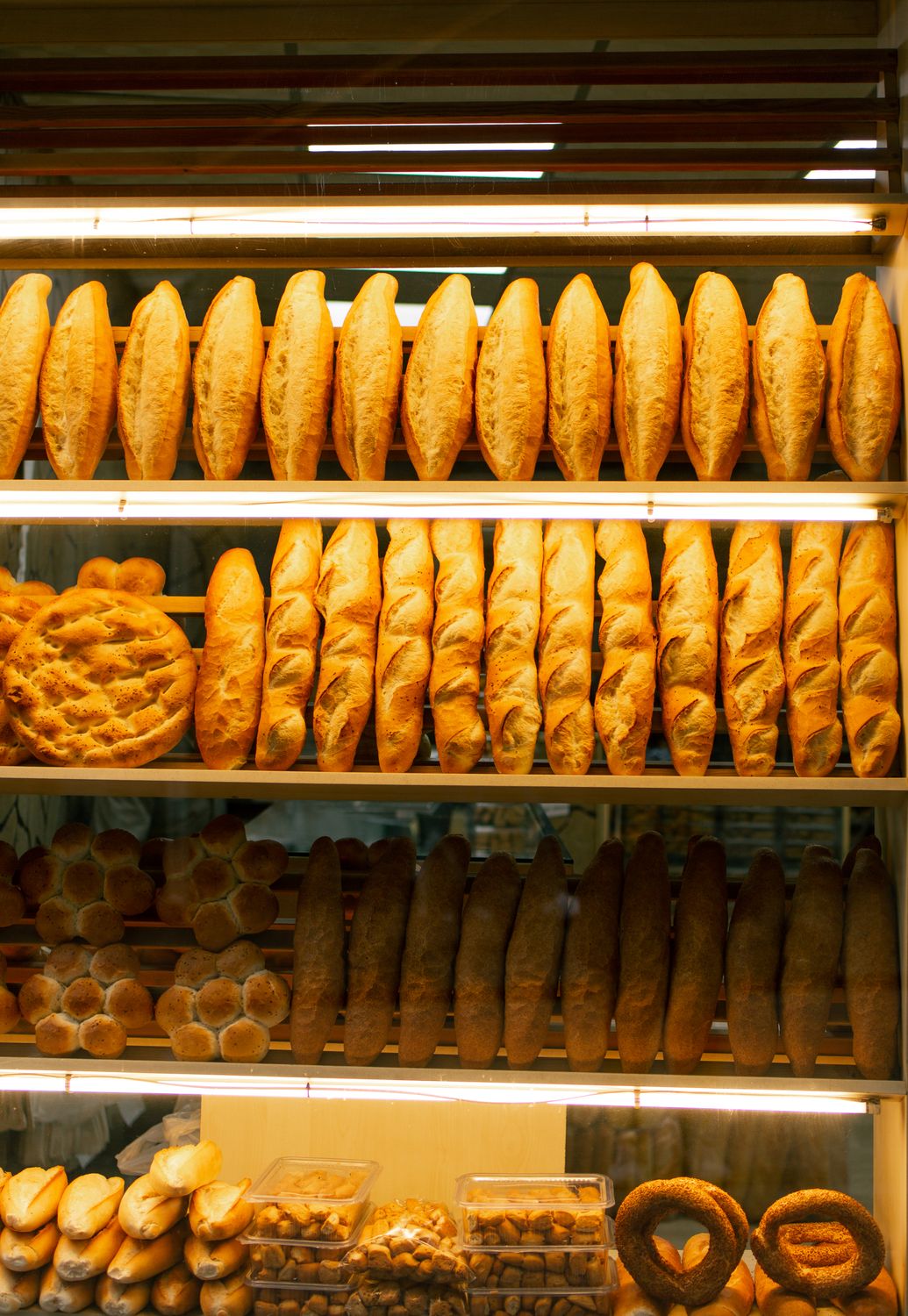
Cereal, bread, crackers, cookies, flour-based snacks, tortillas, pastries, and bakery items remain important as pantry staples. Even small increases can matter because these items appear in school lunches, quick breakfasts, snacks, and low-cost meals.
The pressure in this category often comes from a mix of grain prices, labor, packaging, energy, transportation, and manufacturing costs. Shoppers may not track those inputs, but they feel the result when a family-size cereal box shrinks, a loaf of bread costs more, or familiar snack brands no longer fit the budget.
Dairy Products
Dairy has been more mixed, with some recent price relief in certain categories. Milk, cheese, yogurt, butter, and cream do not all move together. A decline in one dairy product does not always mean the whole dairy case is cheaper.
Still, dairy remains important because it is part of so many household routines. It touches breakfast, school meals, coffee, baking, pasta, pizza, and snacks. Even when dairy prices soften, shoppers continue to watch this aisle closely.
Grocery Stores Are Becoming More Local Than National
One of the biggest mistakes in reading grocery inflation is assuming every shopper experiences the same market. They do not.
A national Grocery Price Index gives a useful overview, but food prices are deeply local. The same product can cost more or less depending on the city, neighborhood, retailer, store format, local competition, supply routes, income levels, and promotion strategy.
A shopper in a dense urban market may face different pricing than a shopper in a rural county. A family near several competing supermarkets may see more aggressive weekly discounts than a household with fewer nearby options. A store in a high-income ZIP code may price certain premium goods differently from a store serving a more price-sensitive customer base.
This is where hyperlocal grocery data becomes powerful. It shows not just whether prices are rising nationally, but where they are rising, which retailers are moving first, which brands are discounting, and which categories are creating the most pain in real shopping environments.
Promotions Are Now a Core Part of Grocery Survival
In the past, many shoppers treated promotions as a way to save a little extra. In 2026, promotions have become central to grocery planning.
Weekly ads, loyalty apps, digital coupons, buy-one-get-one deals, member pricing, fuel points, private-label discounts, and markdown sections now shape how families shop. A shopper may build an entire meal plan around what is on sale rather than what they originally wanted to cook.
Retailers understand this shift. Promotional strategy is no longer just about clearing inventory. It is about winning loyalty in a price-sensitive market. A grocer that offers believable savings on eggs, chicken, milk, produce, pasta, snacks, and beverages can pull shoppers away from competitors.
For brands, promotions are more complicated. Discount too little, and consumers may switch to private labels. Discount too much, and margins suffer. The winning strategy is no longer broad discounting. It is precise discounting in the exact stores, regions, and categories where shoppers are most likely to respond.
Private Labels Are Gaining Power as Shoppers Trade Down
Private-label grocery brands continue to benefit from inflation fatigue. When shoppers feel squeezed, they become more willing to compare national brands against store brands.
This shift is especially strong in pantry staples, dairy, frozen foods, snacks, bottled drinks, paper goods, baking products, pasta, sauces, and breakfast items. If the taste difference is small and the savings are visible, many shoppers will switch.
The longer grocery prices stay elevated, the harder it becomes for national brands to win back shoppers who discovered cheaper alternatives. That is one of the lasting effects of food inflation. It not only changes what people pay. It changes what they trust.
Retailers have an advantage here because private labels give them more control over pricing, margins, shelf placement, and loyalty. For a supermarket chain, a strong private-label program can turn inflation pressure into a competitive weapon.
Restaurants Are Still Rising Faster Than Groceries
The gap between grocery prices and restaurant prices remains one of the most important consumer stories of 2026. Food eaten at home is still rising, but restaurant meals have remained more stubborn.
That matters because households are constantly weighing cooking against convenience. When restaurant prices rise faster, families may cut back on takeout, delivery, fast casual meals, and full-service dining. But that does not automatically make life cheaper. More meals at home mean higher grocery demand, more planning, more cooking time, and more pressure on household routines.
This is where the grocery store becomes the middle ground. Prepared meals, rotisserie chicken, salad kits, frozen entrees, meal bundles, deli counters, and heat-and-eat options are gaining importance because they sit between restaurant convenience and home-cooked affordability.
Grocers that understand this can win shoppers who are not just looking for low prices. They are looking for affordable convenience.
The Real Household Grocery Budget Has Three Layers
The modern grocery budget is not only about shelf prices. It has three layers.
First, there is the sticker price. This is the number shoppers see on the shelf tag.
Second, there is the effective price. This includes coupons, loyalty discounts, promotions, bulk pricing, and substitutions.
Third, there is the cost of the meal. This is what the shopper actually spends to feed the household.
A $6.99 package of chicken may seem expensive until it stretches across two dinners. A cheaper snack item may look affordable, but it disappears in one day. A sale on premium cereal may still be more expensive than a private-label option. A large bag of rice may cost more upfront, but it will reduce meal costs for weeks.
The best grocery price analysis in 2026 looks beyond the shelf tag. It asks how prices affect real meals, real families, and real weekly routines.
Why Grocery Price Tracking Matters for Retailers
For retailers, grocery price tracking is now a daily competitive requirement. Food prices move too quickly, and consumers are too sensitive, for stores to rely on slow reporting or broad assumptions.
Retailers need to know which competitors have changed prices, which categories are losing traffic, which promotions are working, and which products are becoming price-image drivers. A price image driver is an item shoppers use to judge whether a store is affordable. Milk, eggs, bread, bananas, chicken, coffee, cereal, bottled water, and ground beef often play this role.
A retailer can lose trust if those items feel too expensive, even if other parts of the store are fairly priced. That is why grocery pricing is not just math. It is perception management.
Retailers that use local price intelligence can respond faster. They can protect margins where shoppers are less sensitive and sharpen prices where shoppers pay close attention.
Why Grocery Price Tracking Matters for Brands
For brands and consumer packaged goods companies, the Grocery Price Index offers a different kind of warning system.
Brands need to know when their products are drifting too far above private-label competitors. They need to know whether retailers are passing through price increases, absorbing them, delaying them, or promoting around them. They also need to know whether a price gap is hurting volume.
A brand may believe its product can command a premium, but shoppers decide that at the shelf. If the national brand becomes too expensive next to a store brand, loyalty can weaken quickly.
Price tracking also helps brands protect relationships with retailers. A company that brings store-level pricing evidence to a negotiation has a stronger case than one relying on broad averages. In a market where every cent matters, better data creates better decisions.
Why Shoppers Are Building Smarter Grocery Habits
Shoppers have adapted quickly to the new grocery environment. They are comparing prices across stores, using apps more often, buying more private labels, watching unit prices, cooking around promotions, reducing waste, and planning meals before entering the store.
The smartest grocery habits in 2026 are practical rather than extreme.
A shopper who checks weekly ads before planning meals can often save more than a shopper who plans meals first and shops later. A shopper who compares unit prices can avoid being misled by changes in package size. A shopper who freezes meat, uses leftovers, and builds meals around flexible staples can reduce the impact of volatile categories.
The key is not panic buying. It is disciplined buying.
How Grocery Inflation Changes the American Dinner Table
Grocery inflation does not stay inside the store. It reaches the dinner table.
Families may cook simpler meals. Parents may choose cheaper lunchbox items. Older adults on fixed incomes may stretch meals longer. Young workers may replace restaurant meals with grocery-store prepared foods. Households may buy less fresh fish, fewer premium snacks, or smaller quantities of beef.
These changes are not always dramatic in one week. They build slowly. A shopper skips berries one week. Then, it swaps steak for chicken. Then buys store-brand cereal. Then, it cuts back on soda. Then stops ordering delivery twice a week.
That is how grocery inflation reshapes behavior. Not through one huge decision, but through dozens of small substitutions.
What the Grocery Price Index Suggests for the Rest of 2026
The 2026 grocery outlook points to a year of selective pressure. Broad food inflation may be lower than the worst years of the inflation spike, but several categories are still expected to rise faster than shoppers would like.
Beef remains a major concern. Fresh vegetables are another. Nonalcoholic beverages, sugar and sweets, and certain processed foods also deserve attention. Eggs may provide some relief if production improves and supply stabilizes, but shoppers know from recent years that egg prices can change quickly when supply shocks return.
This means the grocery store for the rest of 2026 will likely be uneven. Some receipts will look better. Others will still sting. The difference will depend on where people live, where they shop, what they buy, and how flexible they can be.
The New Grocery Rule: The Average Does Not Tell the Whole Story
The national Grocery Price Index is useful, but the average shopper does not buy the average basket in the average city at the average store.
A family with children may buy more snacks, cereal, milk, juice, fruit, and lunch items. A retiree may buy smaller portions but more fresh foods. A single worker may spend more on prepared meals. A large household may be more exposed to meat, rice, pasta, bread, and bulk products.
That is why grocery inflation feels personal. The index may say prices are cooling, but the shopper’s cart may say something else.
For 2026, the most accurate way to understand grocery prices is to combine national inflation data with local store-level price tracking and real household behavior. That gives a clearer picture of what Americans are actually facing at checkout.