Chain Restaurant Prices in 2026 Have Crossed A Line, and These 4 Brands Show Why Americans Are Pushing Back
Chain restaurant prices in 2026 have become a daily irritation for American diners who once treated fast food, sandwich shops, and fried chicken buckets as affordable shortcuts. We are no longer talking about the occasional expensive burger in a major city or a tourist-trap combo meal near an airport. We are talking about a broader affordability problem that now sits at the center of how millions of people think about eating out.
The old promise was simple. Chain restaurants were supposed to be predictable, fast, and reasonably cheap. A family could grab dinner without treating it like a financial decision. A worker could buy lunch without feeling punished for not packing food from home. A teenager could stretch a few dollars into something filling.
That promise feels badly damaged in 2026.
Restaurant prices are still climbing, even after years of customer frustration. Fast-food chains now talk constantly about “value,” “deals,” “bundles,” and “rewards,” but many customers see those words as damage control. They remember what these restaurants used to cost. They notice when a combo meal creeps toward sit-down restaurant territory. They notice when a sandwich feels smaller, a bucket costs more, or a taco run no longer feels cheap.
The Value Menu Is Back Because Customers Stopped Believing the Regular Menu
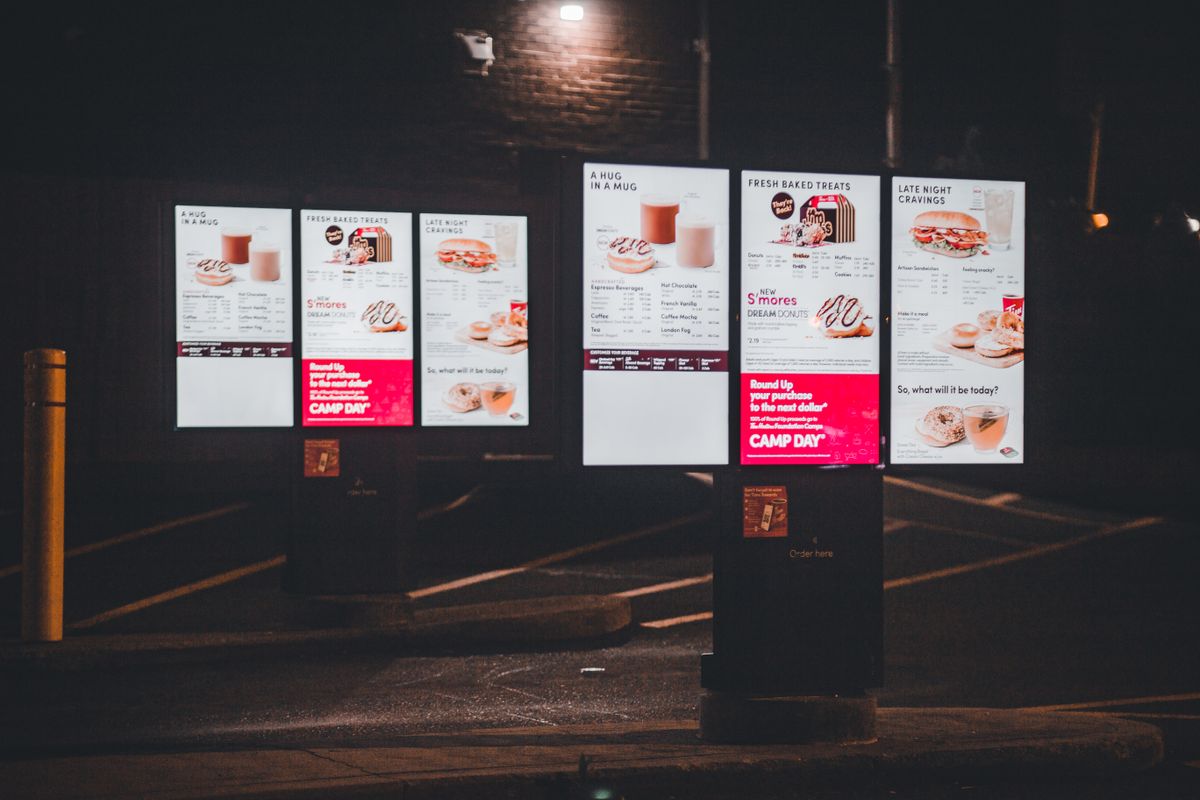
The return of value menus in 2026 is not a coincidence. It is a reaction to a consumer rebellion that has been building for years. Diners have complained about $12 burgers, $15 subs, $40 chicken meals, and fast-food orders that feel too expensive for the quality delivered.
We now see chains trying to rebuild trust with low-price anchor items. McDonald’s is pushing under-$3 items and meal deals. Subway has introduced a formal value menu with several under-$5 options. Taco Bell has leaned hard into a Luxe Value Menu with items priced at $3 or less. KFC has brought back nostalgic offers and budget-friendly buckets as part of its comeback strategy.
But the new value push also exposes the problem. When a chain has to advertise affordability this loudly, it usually means customers have stopped assuming the brand is affordable by default.
That is the real story behind chain restaurant prices in 2026. The sticker shock is not limited to one viral receipt. It is a trust issue. Customers want to know whether these brands still respect the budget-minded diner or whether they are simply offering a few cheaper items to distract from a more expensive menu.
McDonald’s
McDonald’s remains the biggest symbol of the fast-food affordability debate because it built its empire on speed, convenience, and mass-market pricing. For decades, the brand trained customers to believe they could walk in with a small budget and leave satisfied. That mental contract is now under strain.
The company has tried to respond. Its 2026 McValue push includes under-$3 items, $4 breakfast deals and lunch or dinner meal deals starting around $5 at participating restaurants. That sounds strong on paper. It gives customers clear entry points and makes the menu easier to understand after years of confusing app deals, rotating offers, and location-based price swings.
Still, McDonald’s faces a difficult perception problem. Many customers no longer judge the chain by its cheapest advertised item. They judge it by the total order. A burger, fries and drink can still feel expensive depending on location, taxes, upgrades, delivery markups and whether the customer orders through the app or in person.
That is why the chain’s value messaging can feel almost defensive. McDonald’s knows it has to win back people who once considered it the default cheap meal. The company’s 2026 sales show that value can still bring customers in, but positive sales do not automatically erase the frustration of people who feel the brand has drifted too far from its old price identity.
The bigger risk for McDonald’s is comparison. When a combo meal starts feeling close to the price of a better burger, a local diner lunch special, a grocery-store prepared meal, or a fast-casual bowl, customers begin to measure value differently. They stop asking, “Is this convenient?” and start asking, “Is this worth it?”
Subway
Subway has one of the toughest pricing problems in American chain dining because its most famous deal became part of the culture. The $5 Footlong was not just a promotion. It was the brand’s identity. Customers still remember it, quote it and use it as the measuring stick for every Subway price they see today.
That creates a brutal comparison in 2026. Subway’s new Fresh Value Menu offers under-$5 items, including six-inch Deli Faves and a rotating Sub of the Day. The menu gives budget-conscious diners a reason to look again. It also gives Subway a cleaner answer to the question customers keep asking: what can I still get here for a low price?
The problem is that the new value menu is mostly not the old deal customers miss. A six-inch sandwich under $5 may be useful, but it does not carry the same emotional power as a footlong for $5. For many customers, the brand’s value reputation was built around size, not just price.
That difference matters. Subway is not competing only with McDonald’s, Taco Bell and KFC. It is also competing with grocery deli counters, local sandwich shops, convenience-store meals, warehouse-club food courts and meal prep at home. Once a regular footlong feels expensive, customers start looking at the sandwich more critically.
They judge the bread. They judge the meat. They judge whether the vegetables look fresh. They judge whether the sandwich feels full or thin. Higher prices make customers less forgiving.
Subway’s value menu is smart because it gives the brand a fresh affordability story. But the chain still has to escape the shadow of its own past. When the strongest memory customers have is a cheaper, larger sandwich from years ago, every current price feels like a reminder of what disappeared.
KFC
KFC’s price problem is wrapped in nostalgia. The brand still carries emotional weight for many Americans who grew up with family buckets, mashed potatoes, biscuits and the familiar red-and-white packaging. But nostalgia becomes risky when customers feel the price of the memory has climbed too high.
Chicken chains have become one of the fiercest battlegrounds in fast food. KFC is no longer competing only with old rivals. It now faces pressure from Chick-fil-A, Popeyes, Raising Cane’s, Dave’s Hot Chicken, grocery-store fried chicken, regional chicken concepts and local restaurants with sharper identities.
That competitive pressure makes price more visible. If a family meal costs more than expected, customers compare it with every other chicken option in town. They ask whether the chicken is crisp enough, hot enough, fresh enough and generous enough. They ask whether the sides justify the bill. They ask whether the experience matches the price.
KFC has tried to reset the conversation with comeback messaging, nostalgic menu returns and value-focused offers. That strategy makes sense. The brand needs to remind customers why they loved it in the first place while proving that it can still compete on price.
But the danger is clear. If customers see KFC as a nostalgia brand charging modern premium prices for an uneven experience, the comeback becomes harder. Nostalgia can bring people through the door once. Value and quality bring them back.
The chain’s U.S. challenges show how serious the issue is. KFC remains powerful globally, but the American market has become more demanding. Diners have more chicken choices than ever, and many of those choices feel newer, hotter and more culturally relevant. In that environment, expensive buckets are not just a pricing issue. They are a brand-positioning problem.
Taco Bell
Taco Bell is in a different position from the other chains because it still has one of the strongest value menus in fast food. Its 2026 Luxe Value Menu, with several items priced at $3 or less, gives the brand a real affordability advantage. It also keeps Taco Bell close to its original identity as a place where customers can build a filling order without spending much.
That is why Taco Bell continues to perform well. The chain understands that value is not just about one cheap item. It is about giving customers enough low-cost choices to feel in control. A diner can still build an order around a burrito, potato taco, roll-up, flatbread, or small specialty item without immediately crossing into expensive combo territory.
Still, Taco Bell is not completely safe from price frustration. Many longtime customers remember when the chain felt almost absurdly cheap. They remember late-night orders that fed several people for the price of one modern combo. When those memories collide with today’s menu prices, even Taco Bell can feel more expensive than expected.
The biggest tension is between the value menu and the rest of the board. Taco Bell can still look affordable if customers stick to its lower-priced items. But larger combos, premium limited-time items, drinks, upgrades and delivery orders can move the total higher fast.
That creates a split experience. One customer may leave saying Taco Bell is still the best bargain in fast food. Another may leave wondering how a quick taco run became a $14 or $18 stop. Both experiences can be true depending on how and where the order is placed.
Taco Bell’s advantage is that it has not abandoned the value customer. Its challenge is making sure the broader menu does not weaken that trust.
Why Customers Feel Chain Restaurants Are More Expensive Than the Data Suggests
Official food inflation numbers help explain the trend, but they do not fully capture the emotional reaction. Customers do not experience inflation as a percentage. They experience it as a receipt.
A 3% or 4% annual increase may sound moderate in an economic report. But for diners, the pain is cumulative. They remember the old price, then see the new one layered on top of years of earlier increases. They also notice the smaller details that make the meal feel worse: smaller portions, fewer included sides, more expensive sauces, app-only discounts, confusing rewards systems and delivery markups.
That is why chain restaurant prices in 2026 feel so sensitive. Customers are not judging this year alone. They are judging the entire post-pandemic price reset.
The psychology is simple. Fast food used to be the place people went when they wanted to avoid thinking about money. Now they are thinking about money before, during and after the order. Once that happens, the category loses part of its magic.
The Hidden Cost of “Cheap” Food That Is No Longer Cheap
For years, chain restaurants sold more than meals. They sold convenience without guilt. A rushed parent, tired worker, college student, night-shift employee, traveler, or teenager could choose a chain and feel practical, not indulgent.
That feeling is fading. When fast food becomes expensive, it loses its emotional safety. Customers begin to feel that they are paying too much for something that is not special. That is a dangerous place for any mass-market restaurant brand.
The issue becomes sharper for lower- and middle-income households. These customers may still need convenience, but they have less room for disappointing value. A bad $6 meal is annoying. A bad $18 meal feels insulting.
This is why complaints about chain restaurant prices often sound personal. Customers are not only upset about money. They feel a familiar institution has changed the rules. They feel the brands that once made eating out easy are now asking for more while giving less.