The Commute Is Back, But Workers Are Not Going Back to the Old Office Life
Traffic Is Telling a Bigger Story Than Return-to-Office Mandates
Rush hour is back. Roads are filling again. Office districts are waking up earlier. Coffee lines are longer, parking lots look busier, and weekday mornings feel closer to the world workers thought they had left behind.
But the return of the commute does not mean the return of the old workplace.
Something deeper is happening on America’s roads. The morning drive may look familiar, but the workday behind it has changed. Workers are going back to offices, but they are not returning to the same routines, expectations, or the same level of control employers once had over their time.
The commute is no longer just about traffic. It has become one of the clearest signs of how work has changed after years of remote and hybrid schedules.
We can see it in the way workers arrive together but leave at different times. We can see it in the way Tuesdays, Wednesdays, and Thursdays feel heavier than Mondays and Fridays. We can see it in longer drives, staggered exits, and the growing belief that an office day must be worth the trip.
The office is not dead. But the old five-day office week is not fully back either.
The Morning Rush Is Back, But the Evening Rush Looks Different
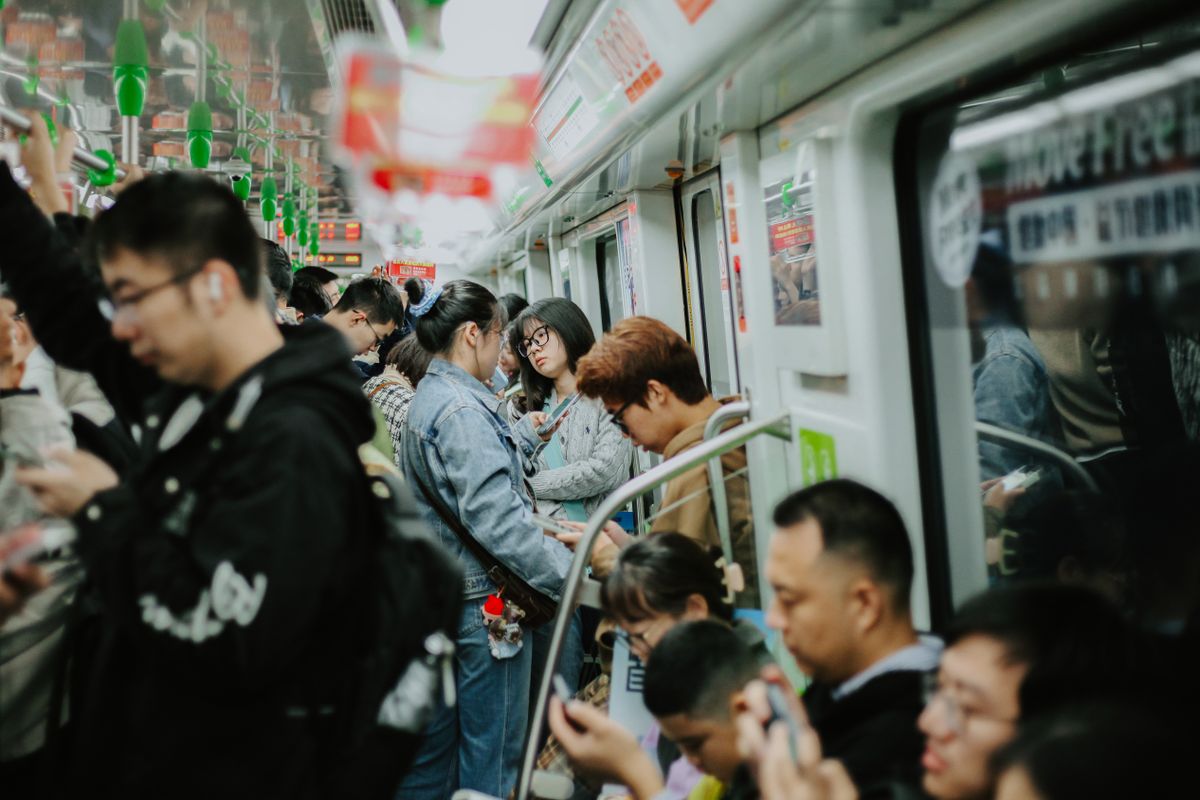
The morning commute is the strongest sign that return-to-office policies are working, at least on the surface.
When companies tell employees to come in two, three, or four days a week, people adjust. They set alarms earlier. They pack lunches again. They sit in school drop-off lines. They merge back onto highways with thousands of other workers trying to arrive around the same time.
Morning traffic shows that employers still have power over the start of the day.
But the evening commute tells a very different story.
Instead of one sharp wave of workers leaving at the same time, departures are now more spread out. Some workers leave early to pick up children. Some leave after lunch and finish tasks from home. Some wait out traffic. Some go home after meetings are done, not after the clock says the office day is over.
That change matters because it shows where workers have kept control.
The morning may belong to the office schedule, but the afternoon increasingly belongs to the employee. Workers are showing up, but they are also protecting the flexibility they gained during the remote-work years.
Tuesday Through Thursday Has Become the New Office Core
One of the clearest changes in modern work is the rise of the midweek office.
For many hybrid workers, Tuesday, Wednesday, and Thursday have become the main days for in-person work. Mondays and Fridays are often quieter, lighter, and more remote.
This is not random. It shows that the office is being used differently.
The office is no longer the default place for every task. It has become a place for meetings, team updates, mentoring, brainstorming, client conversations, and decisions that benefit from people being in the same room.
That is why midweek traffic feels heavier. Workers are not simply returning to their desks. They are gathering around collaboration.
Monday is often used for planning, catching up, and focused work from home. Friday has become a lighter day for wrapping up tasks, handling admin work, or finishing projects without the pressure of another commute.
This new pattern sends a clear message: workers are not rejecting the office, but they are rejecting pointless office time.
If a person spends an hour driving to the office just to sit on video calls, that commute feels like a waste. But if the day includes real teamwork, better conversations, useful face time, and faster decisions, the office begins to make sense again.
The office now has to earn the commute.
Workers Are Leaving the Office Earlier, But That Does Not Mean They Are Working Less

A major mistake many employers make is assuming that leaving the office early means someone is doing less work.
That is not how the modern workday works anymore.
For many employees, leaving the office is not the end of the day. It is a shift into another part of the day. A worker may leave at 3:30 p.m., pick up a child, make dinner, handle family responsibilities, and then open the laptop again later in the evening.
This is where the new workday becomes complicated.
Flexibility gives workers more control, but it can also blur the line between work and personal time. The commute may end earlier, but emails, chats, documents, and meetings can follow people home.
This is why many workers now live in a “triple-peak” workday. They work in the morning, again in the afternoon, and then return to tasks at night.
For some people, that is a better way to manage life. For others, it is exhausting because the workday never fully ends.
The danger is that companies may celebrate flexibility while ignoring burnout. A flexible schedule is only healthy if people are also allowed to disconnect.
Longer Commutes Show That Workers Changed Their Lives
The return of office traffic has also exposed another reality: many workers no longer live close to the office.
During the remote-work years, people moved. Some left expensive city centers. Some bought homes farther out. Some chose suburbs with more space. Some moved closer to family. Some traded short commutes for bigger homes, lower costs, or a quieter lifestyle.
Now, employers want people back, but many workers are not returning.
That means the commute has become longer and more expensive for many people. A three-day office week today may carry a much heavier burden than it did before the pandemic.
This has changed how workers think about office time.
A long commute is not just a drive. It is gas money. It is lost sleep. It is traffic stress. It is childcare timing. It is less time for errands, fitness, family, and rest.
So when employees ask whether an office day is necessary, they are not being difficult. They are calculating the cost of their time.
Employers who understand this will have a major advantage. Employers that ignore it may get people back into seats, but they may lose energy, loyalty, and trust.
Return-to-Office Rules Can Fill Buildings, But They Cannot Erase Flexibility.
Return-to-office mandates can change behavior. They can bring workers back to office towers. They can make highways busier. They can help downtown restaurants, coffee shops, and parking garages recover some weekday activity.
But they cannot fully erase what workers learned during the remote era.
Workers learned that many tasks do not need an office. They learned that focused work can happen at home. They learned that flexibility can make life easier. They learned that commuting should have a purpose.
That is why the strongest companies are not just asking, “How many days should people come in?”
They are asking a better question: “What should happen when people are together?”
That difference is everything.
A smart hybrid workplace does not use the office as a control tool. It uses the office as a tool for connection. It brings people together for work that benefits from shared space and protects remote time for work that needs quiet, focus, and independence.
The future of work will not belong to companies that simply demand attendance. It will belong to companies that make attendance valuable.
The Office Is Being Rebuilt Around Trust
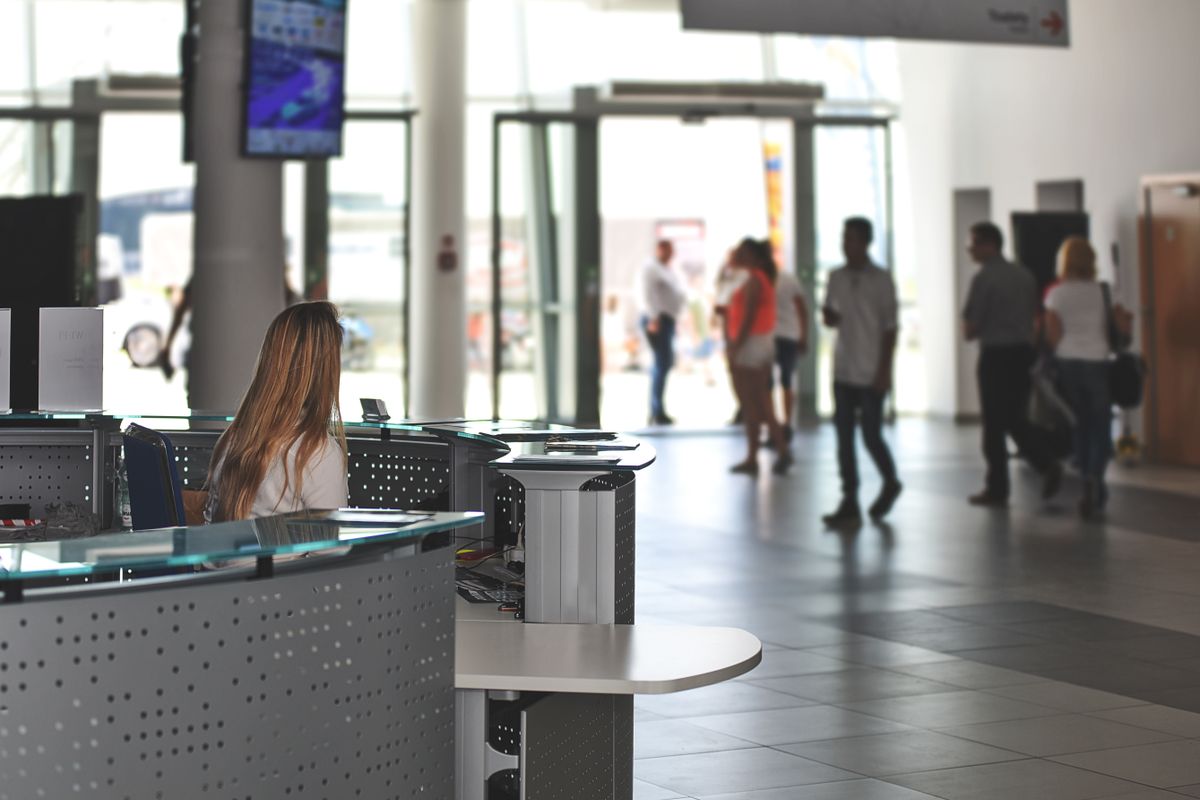
The modern commute is really a test of trust.
When companies let workers choose flexible departure times, protect remote days, and judge performance by results, they send a powerful message: we trust you to manage your work.
When companies demand rigid attendance without explaining the purpose, they send another message: we trust the chair more than the person sitting in it.
Workers notice the difference.
This does not mean every job can be fully flexible. Many roles require physical presence. Hospitals, factories, schools, warehouses, restaurants, stores, and public services all depend on people being on site.
But for office-based workers, the lesson is clear. Flexibility is no longer a perk. It has become a basic expectation of modern work.
The companies that handle this well will design better workweeks. They will coordinate office days so teams are actually together. They will reduce unnecessary meetings. They will protect focus time. They will allow staggered schedules where possible. They will stop confusing visibility with productivity.
That is how trust becomes a business strategy.
What the New Workweek Really Looks Like
The old workweek was simple. Monday through Friday, workers came in, stayed all day, and left around the same time.
The new workweek has more rhythm.
Monday is often a planning day. Workers catch up, set priorities, answer messages, and prepare for the heavier middle of the week.
Tuesday is when the office starts to feel alive. Meetings pick up. Teams gather. Collaboration increases.
Wednesday is often the strongest anchor day. It is the middle of the week, a useful time for decisions, leadership meetings, team check-ins, and project progress.
Thursday often becomes the final heavy collaboration day. Workers use it to close loops before Friday.
Friday is now the symbol of workplace flexibility. For many people, it is quieter, more remote, and more focused.
This is the new rhythm of hybrid work. It is not chaos. It is a different structure.
The Commute Is Back, But So Is Worker Power
The return of traffic does not mean workers have lost the flexibility battle.
It means the workplace has entered a new phase.
Employees are going back to the office, but they are bringing new expectations with them. They want office days that matter. They want fewer pointless commutes. They want control over when they leave. They want remote days that support deep work. They want managers to measure results, not chair time.
The commute is back, but the old office bargain is not.
The road now tells a more complicated story. It shows employers pulling people back in. It shows workers holding on to flexibility. It shows cities adjusting to new traffic rhythms. It shows families building new routines around hybrid work. It shows that the future of work is neither fully remote nor fully office-based.
It is something in between.
And for companies, the message is simple: if workers are going to make the trip, the office has to be worth it.