Beitel Creek Flood Response Under Scrutiny as San Antonio Invests Millions, but Long-Term Fixes Still Years Away
San Antonio officials are facing renewed scrutiny over how quickly they are addressing deadly flooding risks at Beitel Creek, one year after a catastrophic storm killed 13 people and swept vehicles off Loop 410 into fast-rising floodwaters.

The June 12, 2025, disaster remains one of the deadliest flash flooding events in recent city history. According to the San Antonio Express-News, emergency officials have since rolled out millions in new funding and early-stage upgrades, but key infrastructure fixes are still far from complete.
The original flood overwhelmed the Beitel Creek drainage channel during intense rainfall, sending multiple vehicles into rushing water near Perrin Beitel Road. Investigators later linked the severity of the flooding to extreme rainfall, aging drainage systems, and restricted water flow in the channel.
In the year since, Bexar County and city leaders have focused heavily on improving warning systems rather than immediately rebuilding the creek infrastructure. A major investment package now includes a $21 million NextGen flood-warning system aimed at improving detection speed and emergency alerts along high-risk waterways.
Officials say the upgraded system will dramatically reduce response times. Information that once took up to 45 minutes to process and distribute could be delivered in as little as five minutes, according to the San Antonio River Authority.
The project includes new flood gauges, sensors, and automated warning technology designed to alert drivers before they enter dangerous crossings. Some of this equipment is already being installed, while additional upgrades are expected to roll out over the next year.
Despite these changes, a separate issue is drawing concern. Reports indicate that several flood sensors across Bexar County remain offline or inactive, raising questions about reliability as the storm season continues.
Meanwhile, physical repairs at Beitel Creek remain limited. The City of San Antonio has allocated about $8 million for drainage channel restoration, but construction is not expected to begin until 2027. For now, crews are only carrying out temporary fixes such as sealing damaged concrete panels and stabilizing erosion-prone areas.
City officials have also permanently closed the Vicar Drive low-water crossing, citing safety concerns linked to the 2025 tragedy.
TxDOT has added signage and a flood gauge along Loop 410 and is working on additional safety features, including barriers and improved alert systems. However, broader structural changes to the roadway and creek alignment are still in planning phases.
Residents and victims’ families have continued to press for faster action, arguing that promised improvements have not yet translated into real safety changes on the ground. Officials, however, maintain that long-term flood control requires phased construction and multi-agency coordination.
Why It Matters
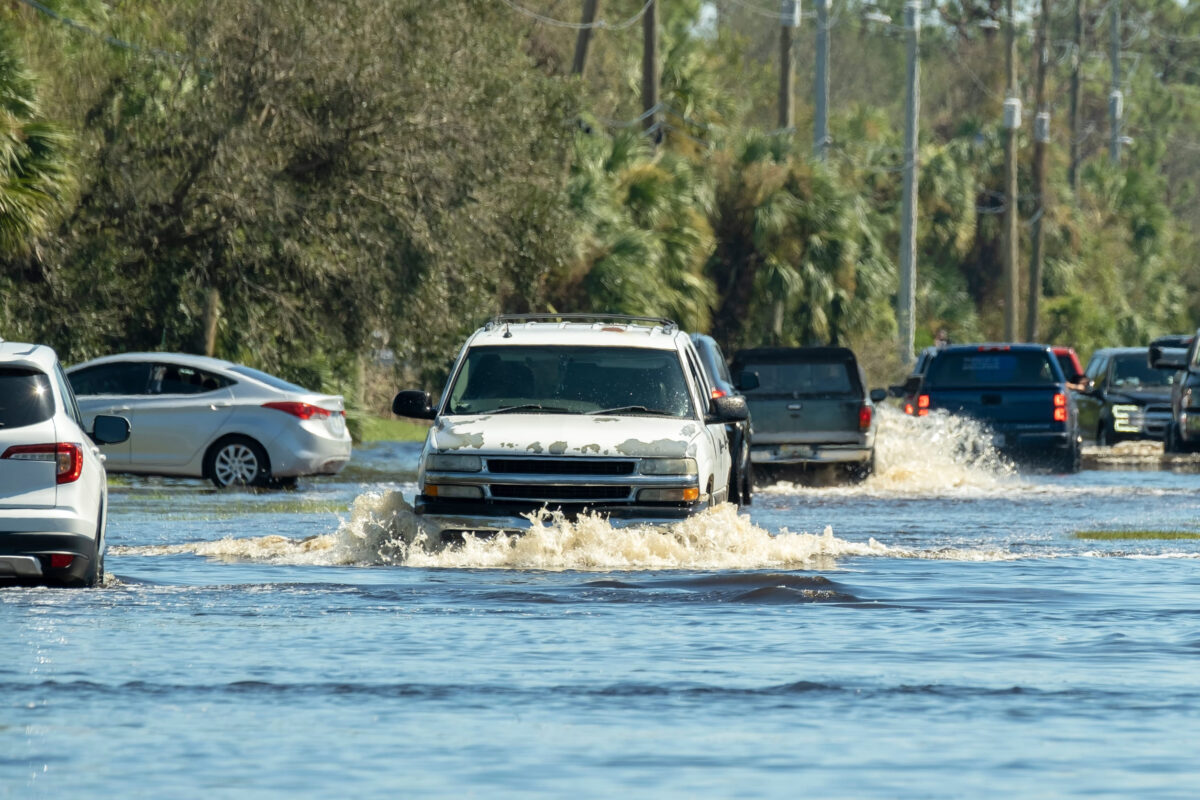
The Beitel Creek flooding exposed how quickly urban waterways can turn deadly when extreme rainfall overwhelms outdated drainage systems. While millions are now being spent on advanced warning technology, experts and residents warn that alerts alone may not be enough without major structural upgrades to the creek and surrounding roadways.
The gap between planning and construction also highlights a broader challenge in flood-prone regions like South-Central Texas, where climate-driven storms are becoming more intense while infrastructure upgrades often take years to complete.
For communities near Loop 410, the concern is immediate and ongoing. Each heavy rain event renews fears that warning systems may not fully prevent another tragedy unless permanent physical protections are in place.
Sources:
https://www.expressnews.com/news/article/beitel-creek-flooding-response-22301026.php
https://www.ksat.com/news/local/2026/06/12/timeline-the-devastating-san-antonio-floods-that-killed-13-people-on-june-12-2025/