Louisiana Boating Law Tightens Rules as New $20,000 Trash Fines Set to Hit Owners on August 1”
Boat owners across Louisiana are facing a sharp new crackdown this summer as state officials move to double penalties for illegal dumping and vessel abandonment, with fines reaching as high as $20,000 under a new boating law taking effect August 1.
The updated regulations are part of a broader push to clean up waterways and hold negligent boat owners accountable for pollution and abandoned vessels, according to state lawmakers.
What happened
Louisiana has officially approved a new boating enforcement law that significantly increases penalties for littering and abandoning boats in state waters. Under the updated rules, boaters caught dumping trash or leaving vessels behind will face much harsher consequences, including higher fines, longer community service requirements, and potential jail time.
The law, introduced by State Representative Jessica Domangue and signed by Governor Jeff Landry, specifically targets “gross littering,” which includes dumping items such as household waste, Automotive parts, Boating equipment and materials, Large debris, or industrial trash. The new penalty structure applies statewide and will be enforced beginning August 1.
Why officials say the law is changing
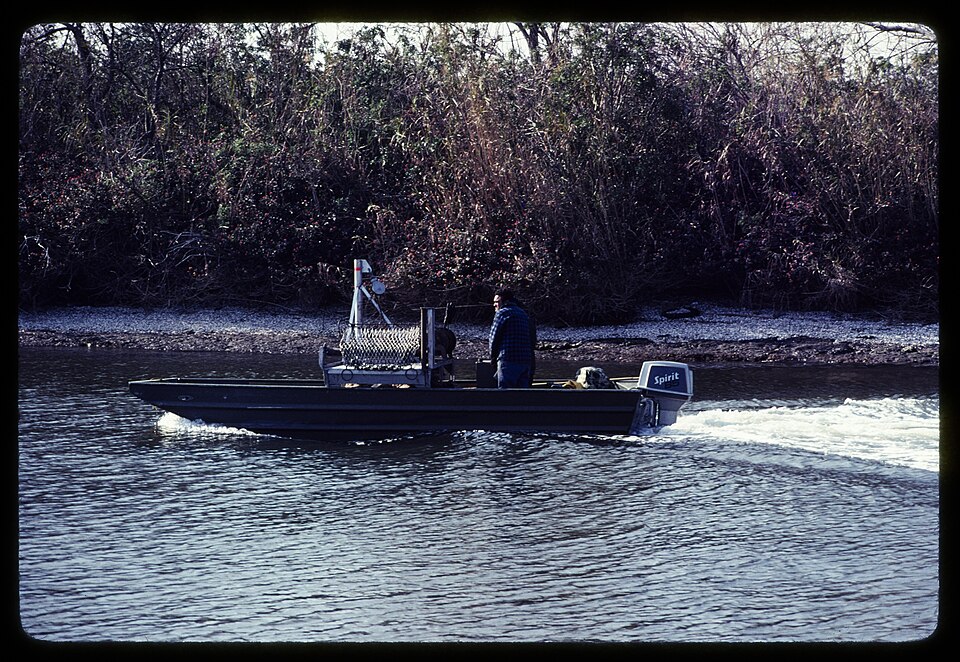
State officials say the crackdown is designed to address growing concerns over pollution in Louisiana’s waterways, which are vital for fishing, tourism, transportation, and local economies.
Abandoned boats and illegal dumping have become recurring issues in coastal and river regions, where cleanup costs have increased, and environmental damage has worsened over time. Lawmakers argue that previous fines were not strong enough to deter repeat offenders, prompting a decision to significantly increase financial penalties and implement stricter enforcement measures.
Breakdown of the new penalties
The updated law introduces a tiered penalty system based on the number of offenses:
First offense
- Fine: approximately $1,800
- Community service: 16 hours
- Jail time: up to 30 days
Second offense
- Fine: $4,000 to $10,000
- Community service: 24 hours
- Jail time: up to 30 days
Third and repeat offenses
- Fine: $6,000 to $20,000
- Community service: 48 to 100 hours
- Jail time: up to 30 days
- Additional penalty: up to one-year driver’s license suspension. Officials say the escalation is meant to discourage repeat violations and ensure accountability for those who repeatedly damage public waterways.
How enforcement will work
While the law sets strict penalties, enforcement will depend on local marine patrol units, wildlife officers, and environmental enforcement agencies.
Authorities are expected to increase patrols in high-traffic waterways, especially in areas known for illegal dumping or abandoned vessels. Officials also say that public complaints and routine inspections will play a key role in identifying violators.
Other states are tightening boating rules, too.
Louisiana is not alone in increasing penalties for waterway violations.
Other states have recently introduced similar measures: Florida has passed legislation to make it easier to remove abandoned and sinking boats, with fines up to $5,000 for violators. Connecticut now requires unregistered vessels, such as kayaks and paddleboards, to carry up-to date contact information on board.
These moves reflect a broader national trend toward stricter environmental protection and better regulation of recreational waterways.
Why this matters
Louisiana’s waterways are essential to both local livelihoods and the state’s economy, supporting the fishing industry, tourism, and transportation routes. Officials say abandoned boats and illegal dumping not only harm marine life but also create safety hazards and increase cleanup costs for taxpayers.
Supporters of the law argue that stronger penalties are necessary to protect fragile ecosystems and ensure that waterways remain usable for future generations. However, some boat owners have raised concerns about the severity of fines and whether enforcement will be applied consistently across regions.
What happens next
The new boating law officially takes effect on August 1, giving boat owners a limited time to ensure compliance with the updated regulations.
State agencies are expected to release additional guidance ahead of the enforcement date, including clarification on reporting procedures, inspections, and penalty enforcement. Local authorities are also preparing public awareness campaigns to educate boaters on the new rules and reduce unintentional violations.