
When Houston Fire Department Resources Exist on Paper but Not in Reality
The conversation around Houston Fire Department resources has shifted from expansion to exposure. The city is no longer debating whether equipment exists, but whether it is actually available when emergencies unfold. On maps and reports, coverage appears stable and well distributed across Houston. On the ground, that stability often dissolves within minutes of multiple 911 calls.
The significance of this gap lies in timing rather than infrastructure. A station can sit within a neighborhood, yet its crew may already be responding miles away. An ambulance can be assigned to a district, yet spend most of its shift inside hospital corridors. This disconnect creates a system that looks complete but behaves unpredictably.
What emerges is not a sudden failure but a slow distortion of readiness. The city continues to expand Houston Fire Department resources, but demand expands faster and more unevenly. That imbalance sets the stage for a system that responds constantly but rarely resets to full strength.
Phantom Coverage and the Map That No Longer Matches the City
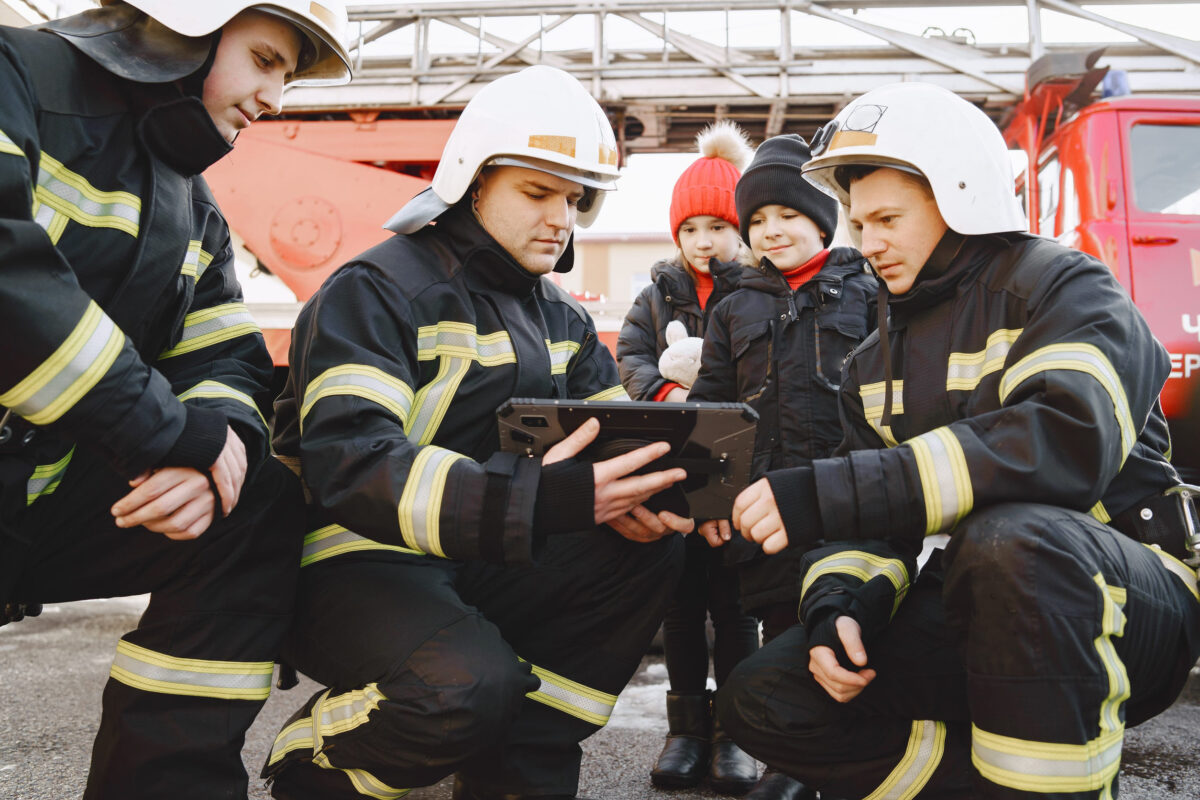
The first structural challenge within the Houston Fire Department resources is the gap between operational reality and what planning maps suggest. Coverage zones appear clean and logical on paper. Each station has a defined area, and each ambulance has a designated assignment. This design assumes predictable availability.
In practice, availability shifts every hour. Units assigned to a station frequently operate outside their zone due to overlapping calls. Engines that should be nearby are often tied up in distant incidents. Ambulances may sit at hospitals waiting for patient transfer rather than responding to new emergencies.
This creates what can be described as phantom coverage. The infrastructure exists physically, but its operational presence disappears under pressure from demand. Residents may believe help is nearby, yet the nearest available unit may be several districts away. That gap becomes most visible during simultaneous emergencies.
The effect on Houston Fire Department resources is subtle but persistent. The system does not collapse, but it stops behaving as designed. Coverage becomes conditional rather than guaranteed, shaped by timing rather than geography.
The Rolling Shortage That Never Fully Resets
A deeper issue within the Houston Fire Department’s resources is the rolling shortage cycle. Unlike a fixed staffing problem, this shortage shifts continuously throughout the day. Units move between response, transport, hospital handoff, and standby coverage without a full reset point.
At any given moment, a significant portion of resources remains unavailable. Some units handle active emergencies. Others remain tied to hospital delays. Additional crews cover districts left temporarily exposed. This fragmentation prevents the system from returning to full readiness.
The consequence is cumulative strain. As call volume increases, fewer units remain free. That forces longer travel distances for the next available response. Longer travel times then extend unit occupancy, which further deepens the shortage.
This cycle defines modern Houston Fire Department resources more than any single incident. The system does not fail abruptly. It tightens gradually until normal demand begins to feel like overload.
Hospital Bottlenecks That Quietly Freeze Emergency Response

A less visible pressure point in the Houston Fire Department’s resources lies outside the department itself. Hospital emergency departments have become a critical bottleneck in EMS flow. When ambulances arrive, crews often wait extended periods before transferring care.
During that waiting time, ambulances remain out of service. The crew cannot respond to new emergencies, even after reaching the hospital. This creates a secondary delay layer that does not appear in traditional response time metrics.
The impact spreads quickly across the system. One delayed handoff reduces available ambulance capacity. That reduction increases response distances for unrelated emergencies. Over time, hospital congestion translates directly into slower citywide response.
Within the Houston Fire Department resources, this bottleneck acts as a hidden choke point. The public sees ambulances arriving at hospitals and assumes the situation is resolved. Operationally, that moment often marks the beginning of another delay cycle.
When Fire Crews Become Medical Stand-Ins
Another structural shift in the Houston Fire Department’s resources comes from mission drift. Fire engines increasingly respond to medical emergencies when ambulances are unavailable. This practice fills gaps in EMS coverage but changes how fire crews spend their time.
Firefighters trained for suppression and rescue now handle a high volume of medical calls. These include cardiac events, trauma incidents, and respiratory emergencies. While crews are capable, this expands their workload beyond the original operational design.
The effect is operational dilution. Fire response readiness becomes secondary in many shifts. Engines that should remain prepared for structural fires often function as default medical units. This dual role stretches training, focus, and resource allocation.
Over time, Houston Fire Department resources shift from specialized deployment to blended response. The system compensates for EMS pressure by redistributing fire capacity. That compensation solves immediate gaps but increases long-term strain.
Delay Inflation and the Slow Normalization of Longer Waits
Within the Houston Fire Department, response-time degradation rarely manifests as a sudden failure. It unfolds through gradual delay inflation. Each increase in response time seems small when viewed in isolation.
A response that once took six minutes stretches to eight. Eight becomes ten. Ten becomes twelve. These increments rarely trigger an immediate alarm because each change feels manageable. Yet together they reshape public expectation.
This process becomes more dangerous through normalization. Communities adjust to longer waits without recognizing structural decline. What once felt urgent begins to feel routine. That shift masks system stress until outcomes worsen.
Delay inflation reflects how the Houston Fire Department’s resources absorb pressure without visible breakdown. The system continues functioning, but at a progressively slower pace. The change is incremental, yet its impact compounds across thousands of calls.
Uneven Geography and the Rise of Response Inequality
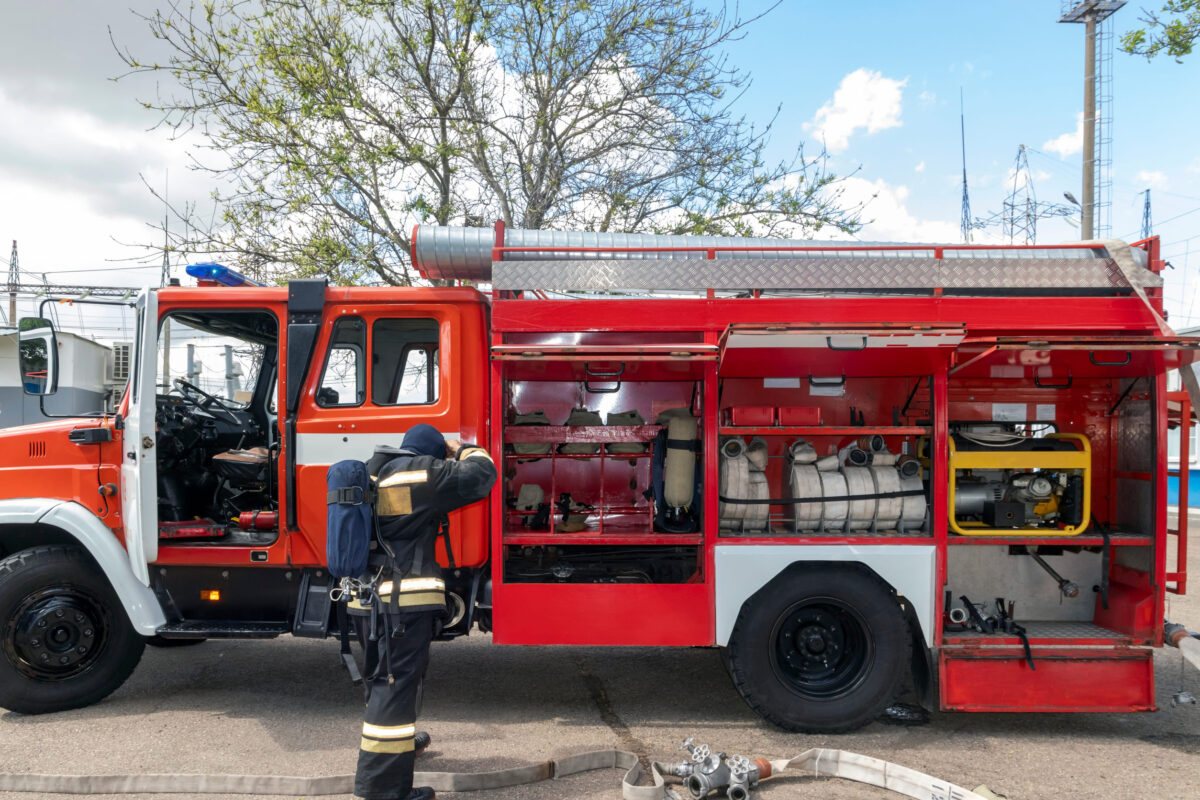
Geography plays a decisive role in the Houston Fire Department’s resource performance. Not all neighborhoods experience the same response conditions. Station distribution, traffic patterns, and call density all influence arrival times.
Some areas benefit from proximity to stations and shorter travel distances. Others rely on distant or covering units during peak demand. This creates variation in response speed across the city. The difference can be measured in minutes, but felt in outcomes.
As demand rises, these gaps widen. High-traffic zones and dense residential areas often experience more frequent delays. Industrial corridors and rapidly expanding suburbs face similar pressure when station coverage does not keep pace with growth.
Within the Houston Fire Department resources, this produces a form of response inequality. Emergency speed becomes partially dependent on location. That unevenness raises broader questions about how coverage should adapt to urban growth.
Industrial Risk, Multi-Incident Pressure, and System Fatigue
Houston’s industrial landscape adds another layer of strain to the Houston Fire Department’s resources. Large-scale incidents at warehouses, recycling facilities, or industrial sites can consume significant portions of available units for extended periods.
When these incidents occur, multiple engines, ambulances, and support teams may be committed to a single location. That concentration reduces citywide availability. Other emergencies continue during this time, but with fewer nearby units available.
This creates a multi-incident pressure effect. One major emergency reshapes resource distribution across the entire city. Even routine calls in distant districts may experience slower response due to redirected coverage.
At the same time, workforce fatigue builds quietly. Extended shifts, repeated overtime, and continuous dispatch cycles strain personnel. Over time, fatigue affects both availability and performance, reinforcing pressure within the Houston Fire Department’s resources.
A System That Responds Constantly but Rarely at Full Strength
The deeper truth about Houston Fire Department resources is not absence but instability. The system responds to emergencies continuously, yet rarely operates at full capacity. Availability shifts minute by minute, shaped by demand, geography, hospital delays, and incident scale.
Each structural layer reinforces the next. EMS bottlenecks reduce ambulance availability. Hospital delays extend those reductions. Rolling shortages fragment coverage. Fire crews compensate for EMS gaps. Delay inflation normalizes a slower response. None of these factors operates in isolation.
Together, they form a system defined by constant adaptation rather than stability. Houston does not lack emergency response. It lacks consistent readiness across time and geography.
The question that remains is not whether Houston Fire Department resources are sufficient in total, but whether they can remain reliably available when multiple emergencies collide. In a city this large and complex, that distinction may define the future of public safety more than any single budget or expansion plan ever will.


