Older Americans Paid Into the System. Now Their Benefits Feel Hidden in Fine Print
Imagine working for 40 years, paying taxes, raising a family, saving what you could, and finally reaching retirement.
Then the bills keep coming.
Medicine. Groceries. Electricity. Insurance. Property taxes. Phone service. Rent. Repairs. Every month seems to ask for more, even when the paycheck has stopped.
Then come the ads.
“Benefits you may be missing.”
“Senior savings available now.”
“Check if you qualify.”
“Don’t miss this program.”
Some of the help is real. Some of it is a private offer. Some of it is a sales pitch dressed up like a public benefit. Some of it may lead to useful savings. Some of it may only lead to more phone calls, more forms, and more confusion.
That is the problem facing many older Americans. The country has real programs that can help seniors cut costs, but finding them can feel like walking through a maze built out of government websites, private ads, income rules, phone menus, and fine print.
For seniors living on a fixed income, the question is not just whether help exists.
It is why finding real help has to feel so risky.
The word “benefit” has become too easy to misuse
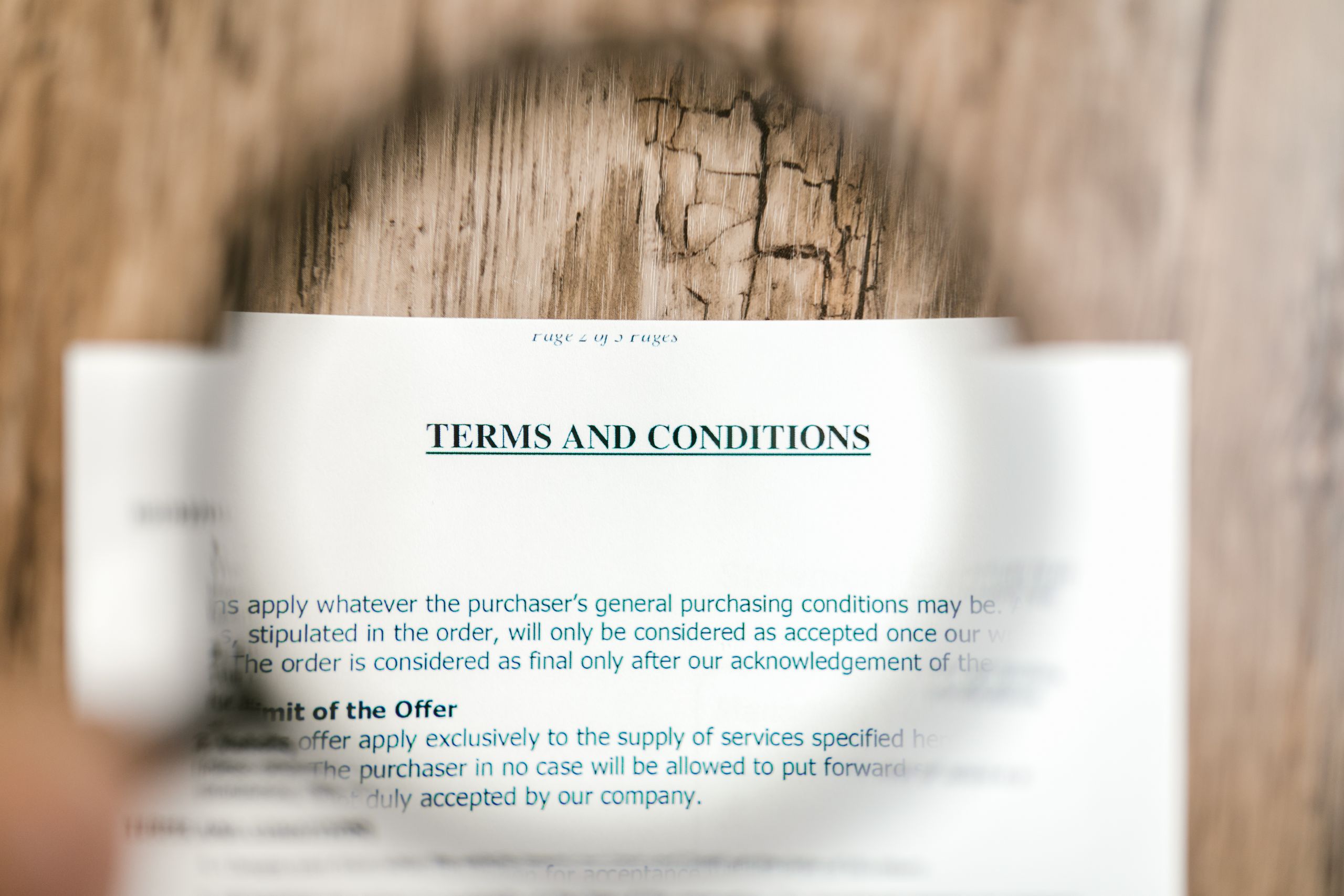
A senior benefit can mean many different things.
It can mean a real government program. It can mean a nonprofit screening tool. It can mean a grocery discount, a phone bill reduction, a Medicare-related program, or property tax relief.
But it can also mean an insurance quote, a home improvement offer, a private lead form, or a company trying to collect personal information.
That is where trust starts to break down.
Older adults are often told they may qualify for help, but the page does not always make clear who is offering it. Is it the government? A nonprofit? A broker? A contractor? A marketing company?
That confusion matters because seniors are not just browsing for fun. Many are trying to protect the savings they built across a lifetime.
Health care is where the pressure hits first
For many retirees, health care is the bill that never fully goes away.
Medicare helps millions of Americans, but premiums, prescriptions, copays, deductibles, dental care, hearing care, and other costs can still strain a fixed budget.
There are real programs that may help some seniors, including Medicare Savings Programs and Extra Help for prescription drugs. But many people never apply because they assume they will not qualify, do not understand the rules, or get overwhelmed by the paperwork.
That is how money slips away quietly.
Not through one dramatic bill, but through monthly costs that keep draining a bank account little by little.
Energy bills can punish people for staying home
Older adults often spend more time at home, which means heating and cooling costs matter.
A hot summer or cold winter can turn a utility bill into a crisis. For someone living on Social Security, an extra $80 or $150 can force difficult choices.
There are real energy assistance and weatherization programs in many areas, but they often depend on state rules, income limits, funding windows, and local agencies.
That means help may exist, but only for people who know where to look and apply at the right time.
Meanwhile, seniors may also see ads promising big savings through products or upgrades. Some offers may be useful. Others may not be the same as public assistance.
That difference should be easy to understand. Too often, it is not.
A small phone discount can mean more than people think
Phone and internet bills may not sound as frightening as rent or medicine, but they matter.
For many seniors, a phone is not a luxury. It is how they call family, schedule doctor visits, receive emergency alerts, manage bank accounts, and access benefits.
Programs such as Lifeline can help eligible low-income households reduce phone or internet costs. But many people who may qualify do not know the program exists.
A smaller monthly bill may not solve everything, but it can create breathing room.
For a senior counting every dollar, breathing room matters.
Property tax relief depends on your ZIP code
For older homeowners, property taxes can feel like a penalty for staying put.
A senior may own a home but still struggle to afford the taxes, repairs, insurance, and utilities that come with it.
Some states, counties, and cities offer property tax exemptions, freezes, deferrals, or credits for older residents. But the rules can vary widely.
One county may offer meaningful relief. Another may offer less. Another may require a form that a homeowner never knew existed.
That means two seniors with similar incomes can have very different options simply because they live in different places.
The help may be local, but the confusion is national.
Grocery help still comes with shame
Food prices have made grocery shopping painful for many households, including seniors.
Some older adults may qualify for SNAP or other food support, but many do not apply. Some think the program is only for families with children. Some feel embarrassed. Some assume the benefit will be too small to matter.
But food costs do not care about pride.
A few extra dollars for groceries can mean more fresh food, fewer skipped meals, or less pressure to choose between prescriptions and dinner.
The question should not be whether someone looks like they need help. The question is whether they qualify.
The safest starting points are not random ads
The internet is full of senior savings pages, and not all of them are equal.
A careful senior should start with trusted sources: Medicare.gov, SSA.gov, USA.gov, BenefitsCheckUp, state Medicaid offices, local Area Agencies on Aging, county tax offices, and utility assistance agencies.
Pressure language should raise caution. Phrases like “act now,” “secret benefit,” “expires soon,” or “banks don’t want you to know” deserve a slower look.
Real benefits usually have rules, official agencies, and application steps. They do not need to sound like a late-night sales pitch.
The system asks too much from people who already gave enough
The hardest part is that none of this sits in one clean place.
Health care help is separate from food help. Utility support depends on state programs. Property tax relief may be local. Phone discounts have their own rules. Private discounts are scattered everywhere.
That complexity creates a quiet penalty for seniors who are tired, offline, disabled, grieving, overwhelmed, or unsure whom to trust.
Some older Americans may not qualify for certain programs. Others may qualify and never know it.
After decades of work, taxes, caregiving, saving, and sacrifice, many seniors are still left sorting through forms, ads, websites, and phone numbers just to figure out what help is real.
The benefits may exist.
The harder question is why finding them can feel like another job