USDA says food prices are still climbing, but the pain is shifting across the grocery aisle
American families may not feel the same grocery shock they did in 2022, but the latest federal food price outlook shows that the cost of eating is still rising in 2026.
According to the USDA Economic Research Service, all food prices are expected to rise 3.4 percent this year. Grocery prices, also known as food-at-home prices, are projected to increase by 3.2 percent, while restaurant and food service prices are expected to climb by 3.5 percent.
Food inflation has cooled from the sharp jump seen in 2022, but it has not disappeared. Instead, the pressure has become more uneven, shifting across categories as some items get cheaper while others keep rising fast enough to change how people shop.
The clearest example is beef. USDA says beef and veal prices were 14.8 percent higher in April 2026 than they were one year earlier. The agency expects beef and veal prices to rise 12.1 percent for the full year, making it one of the most painful categories for shoppers who still want steak, ground beef, roasts, or other red meat in their weekly meal plans.
The reason is not just store pricing. USDA points to tighter cattle supplies, with the U.S. cattle herd shrinking since 2019. When supply tightens, and demand remains strong, prices can stay elevated even as shoppers complain about the cost.
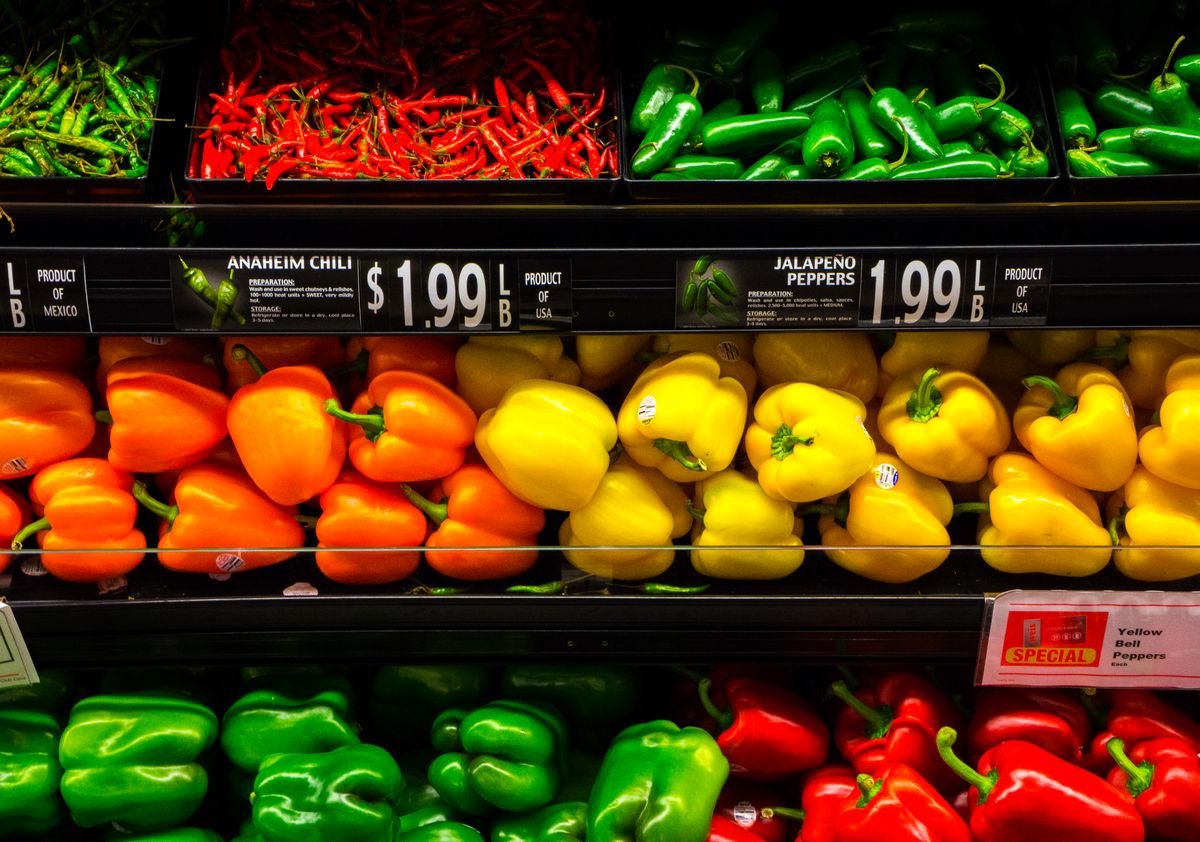
Fresh vegetables are another major pressure point. USDA reported that fresh vegetable prices rose 3.1 percent from March to April 2026 and were 11.5 percent higher than a year earlier. The agency expects fresh vegetable prices to rise 7.8 percent in 2026.
That can hit families hard because vegetables are not luxury items. They are part of ordinary meals, school lunches, health-focused diets, and basic home cooking. When tomatoes, greens, peppers, onions, and other produce become more expensive, shoppers often have to choose between buying fresh food and stretching the same grocery budget to include cheaper packaged options.
Fresh fruit prices are rising more slowly, but they are still expected to increase 1.8 percent in 2026. That means the produce section is not giving shoppers much relief overall.
The surprise bright spot is eggs. After years of sharp price swings tied to bird flu outbreaks and reduced egg production, USDA now expects egg prices to fall 29.8 percent in 2026. Retail egg prices were already 39.2 percent lower in April 2026 than they were in April 2025.
That is a major turn for one of the most closely watched grocery items in America. Eggs became a symbol of food inflation during earlier price spikes because they are easy to compare from week to week and are common in nearly every household. When egg prices fall, shoppers notice it quickly.
Still, cheaper eggs do not erase higher costs elsewhere. A family may save on breakfast but still pay more for beef, vegetables, drinks, candy, coffee, or restaurant meals.
Nonalcoholic beverages are another category to watch. USDA expects prices to rise by 5.8 percent in 2026, citing higher global coffee prices as one reason. That means morning coffee, tea, soft drinks, juices, and other beverages may continue to take a larger bite out of household spending.
Sugar and sweets are also expected to rise 6.3 percent this year. USDA said prices in that category were still 6.3 percent higher in April 2026 than a year earlier, even after monthly declines. Candy and chewing gum, including many chocolate products, have been among the items pushing that category upward.
The bigger picture is that food inflation is now less about one dramatic spike and more about several smaller pressures hitting different shelves at the same time. That keeps the story centered on shifting pressure, even as one item gets cheaper and another gets more expensive.
The latest Consumer Price Index summary from the Bureau of Labor Statistics shows that food prices rose 0.2 percent in May 2026, down from 0.5 percent in April. Food at home rose 0.1 percent in May, while food away from home rose 0.3 percent.
That means grocery inflation may be moving more slowly month to month, but restaurant prices are still climbing. USDA expects food-away-from-home prices to rise 3.5 percent in 2026, roughly matching the long-term average. For consumers, that may still feel expensive because restaurant prices have already risen sharply in earlier years.
This is why many Americans are changing their habits rather than waiting for prices to return to the old normal. More shoppers are comparing store brands, buying bulk staples, planning meals around sales, freezing meat, reducing restaurant visits, and replacing higher-priced items with cheaper proteins.

For families, the most practical takeaway is that the grocery bill in 2026 will likely depend heavily on what goes into the cart. Beef-heavy households may feel far more pressure than families that rely more on chicken, pork, eggs, beans, rice, pasta, or frozen vegetables. Coffee drinkers may notice price increases more than households that do not buy many beverages.
The USDA forecast also shows why food prices remain such a sensitive political and economic issue. Even when inflation slows, prices usually do not fall back across the board. They often rise more slowly from a higher base. That is why many shoppers hear that inflation is improving yet still feel that groceries are too expensive.
The story of food prices in 2026 is not that everything is exploding at once. It is that the pressure has moved across categories. Eggs may be easing, but beef, vegetables, beverages, sweets, and restaurant meals are keeping the cost of eating high.
For millions of Americans, that means the weekly grocery trip still requires calculation, substitution, and discipline. The shock may be less intense than it was a few years ago, but the squeeze is not over—and the cost of eating is still shaping everyday choices.