Rent is rising again, but renters may still have more power than they think
America’s rental market is sending renters a strange message in 2026. Prices are climbing again as the summer moving season heats up, but the market is still far softer than it was during the pandemic-era housing frenzy.
According to the latest Apartment List National Rent Report, the national median rent rose 0.5 percent in May 2026, reaching $1,379. That marked the fourth straight monthly increase, which is not surprising at this time of year, as spring and summer are usually the busiest seasons for apartment hunting.
But the bigger story is not that rents rose in May. The bigger story is that they are still lower than they were one year earlier.
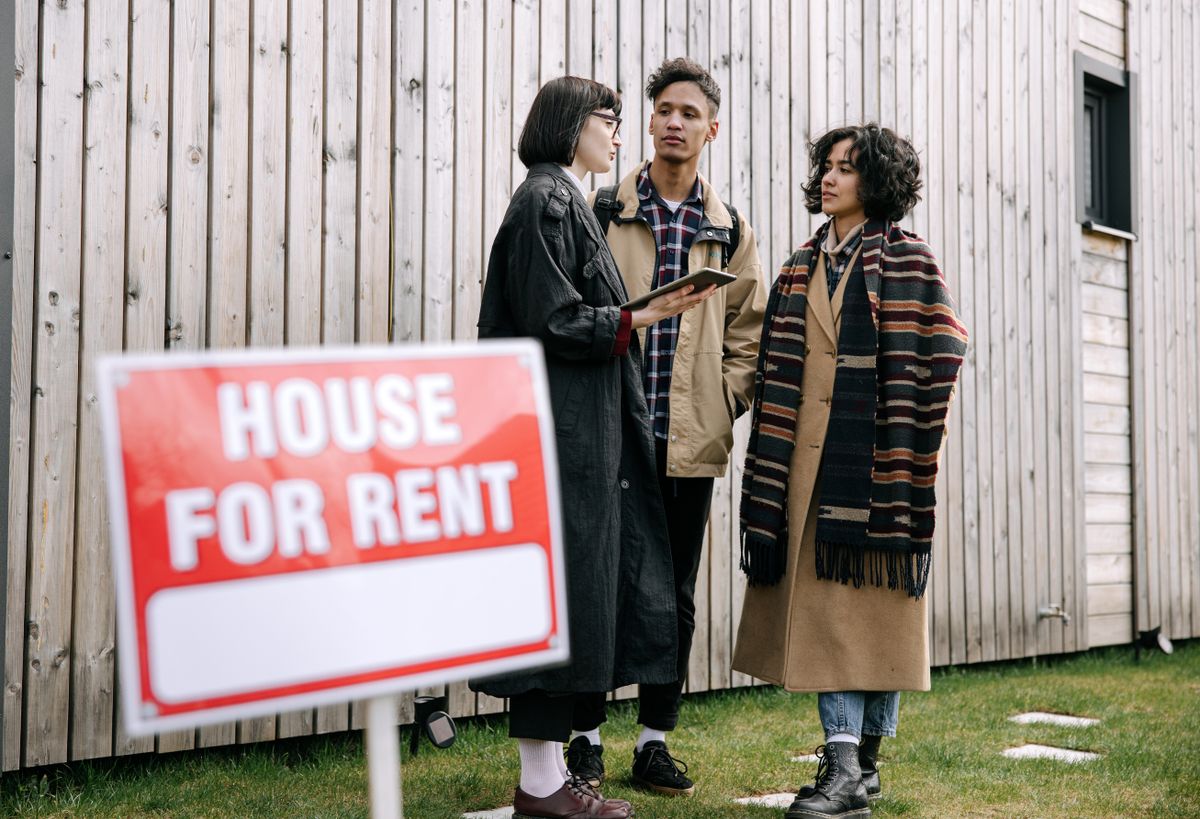
Apartment List found that national rents were down 1.5 percent compared with May 2025. That means renters are seeing seasonal pressure, but landlords in many markets still do not have the same pricing power they had a few years ago.
For households already stretched by groceries, insurance, gas, child care, and student loans, that distinction matters. Rent may be ticking up month to month, but the broader rental market is still cooler than it was when bidding wars and limited supply made many renters feel trapped.
The national median rent is now $20 lower than it was in May 2025. It has also fallen 4.4 percent from its 2022 peak, a drop of about $63 per month.
That sounds like relief, but it comes with an important catch. Apartment List also says rents are still 20 percent higher than they were at the start of 2021. In other words, renters may be getting a break compared with the peak, but they are not going back to the old normal.
That is why the rental market can feel confusing. A renter may hear that rents are falling nationally, then open apartment listings in their city and still see prices that feel too high. Both things can be true at the same time.
The cooling has been driven largely by new apartment supply. Apartment List points to a historic wave of multifamily construction, with more than 600,000 new multifamily units delivered in 2024, the highest number in a single year since 1986.
That boom gave renters more choices in many cities. When landlords have more empty units to fill, they may offer slower rent increases, concessions, free weeks, or more flexible lease terms.
The vacancy rate tells that story clearly. Apartment List said the national multifamily vacancy rate stood at 7.2 percent in May 2026, slightly below its February peak of 7.3 percent. That February reading was the highest level in Apartment List data going back to 2017.
The small decline in vacancy is worth watching, as it marks the first drop in the national vacancy index since late 2021. That could mean the rental market is starting to tighten again after years of softness.
Still, one month of improvement does not mean landlords are suddenly back in control. Apartment List said vacancy remains elevated relative to its long-term average, and units are still taking longer to lease than they did during the market’s hottest period.
Apartments listed in May took an average of 30 days to lease. That was down from 34 days in April, but still longer than the same period last year and much slower than the fast-moving rental market of mid-2021.
The regional split is where the story becomes even more interesting. Rent declines are most concentrated in the Sun Belt, especially in markets where new apartment construction has been strong.
Austin, Texas, remains the softest major rental market in the country. Apartment List said median rent in the Austin metro fell 5.1 percent over the past year and is down more than 20 percent from its 2022 peak.
That is a striking reversal for a city that became one of the biggest symbols of pandemic-era migration and tech-driven housing demand. Austin built aggressively, and that new supply is now helping push rents lower.
Other Sun Belt markets are showing similar pressure. Apartment List pointed to San Antonio, Denver, Phoenix, Tampa, and Nashville as markets where new supply has helped soften rent growth.
At the other end of the map, the Bay Area is moving in the opposite direction. San Francisco recorded the fastest year-over-year rent growth among large metros at 6.3 percent, followed by San Jose at 5.4 percent.
Apartment List connects that rebound to the region’s high-paying tech economy, especially the recent wave of artificial intelligence-related hiring. When income growth and job demand are strong, rents can rise even when the national market is soft.
The Midwest is also holding up better than many Sun Belt markets. Milwaukee, Chicago, Minneapolis, and Cleveland are among the markets showing steadier rent growth, helped by relative affordability and stable demand.
Why it matters

Rent is usually the largest monthly bill for millions of Americans, so even small changes can reshape household budgets. A $20 national decline from last year may not sound dramatic, but for renters facing pressure across nearly every part of daily life, every bit of relief matters.
At the same time, renters should not assume every city is getting cheaper. The national average hides sharp local differences, and those differences may decide whether a renter can negotiate or has to move quickly.
In markets with high vacancy and heavy new apartment supply, renters may have more leverage than they realize. They can compare buildings, ask about concessions, check whether similar units are sitting on the market, and avoid rushing into the first lease they see.
In tighter markets, especially places where job growth is strong and new supply is limited, renters may need to prepare for more competition. San Francisco and San Jose show how quickly demand can return when high-paying industries heat up again.
The latest Bureau of Labor Statistics CPI report also shows why rent remains central to the inflation story. Rent of primary residence rose 0.4 percent in May 2026, while the broader shelter index rose 0.3 percent.
That means even as some private rent trackers show cooling in advertised rents, housing costs are still working their way through official inflation data. Lease renewals, existing tenants, and local market differences can keep shelter costs sticky.
For renters, the practical message is simple. The market is not as brutal as it was in 2021 and 2022, but it is not cheap either. The best opportunities may be in cities where new apartments are still coming online, and landlords are competing harder for tenants.
For landlords, the message is also clear. The easy rent growth of the pandemic era is over in many markets. Properties may need sharper pricing, better service, cleaner amenities, and stronger incentives to stand out.
The rental market in 2026 is no longer racing in one direction. It is split into two stories.
In some cities, new supply is giving renters breathing room. In others, job growth and limited housing are pushing prices higher again.
That makes the next few months important. If vacancy rates continue to fall and leasing activity accelerates, renters could face more pressure later in the year. If supply remains high and demand stays cautious, the market may continue to favor renters in many parts of the country.
For now, the headline is clear. Rent is rising again for the season, but the national market is still softer than it was last year. For renters willing to compare, negotiate, and pay attention to local trends, 2026 may still offer more room to maneuver than the numbers first suggest.