10 Red Flags About America’s “Woke” Culture That No One Is Talking About
America loves a moral movement until the movement starts acting like a courtroom with Wi-Fi.
At its best, woke culture pushed people to notice unfairness, challenge lazy stereotypes, and stop pretending certain voices did not matter. That part was important. A decent society should care about dignity, fairness, and respect.
Then the mood shifted. A clumsy sentence became a scandal. An old joke became digital evidence. Workplace training started sounding like a script people had to repeat rather than a problem they wanted to solve.
Many Americans are not angry because fairness matters. They are angry because some parts of woke culture in America now feel more like fear, performance, and control than real progress.
People Are Afraid to Say What They Actually Think
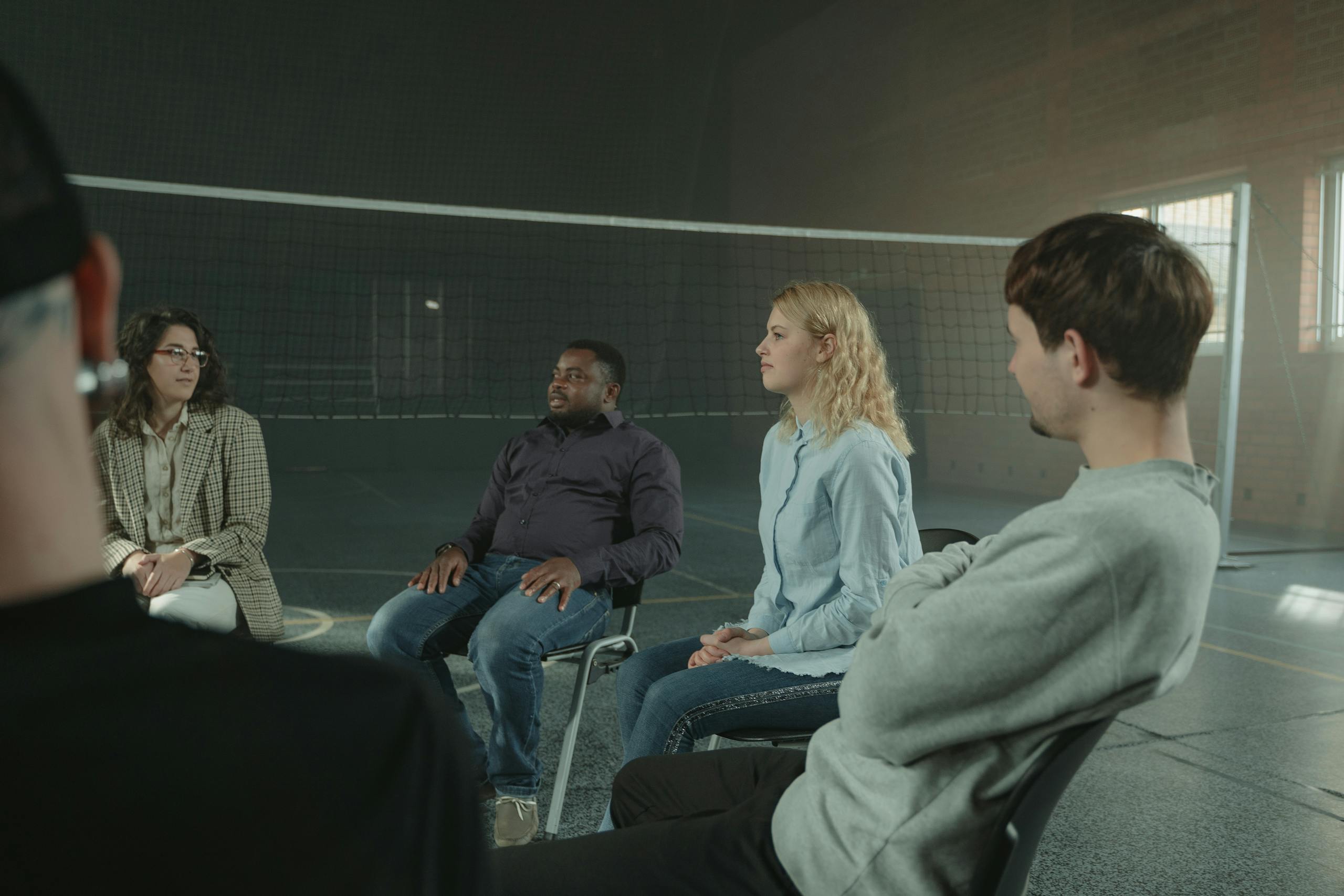
A culture has a problem when everyone is talking, but fewer people feel safe being honest.
In many workplaces, classrooms, friend groups, and online spaces, people now pause before speaking. They soften jokes. They avoid certain topics. They rehearse sentences in their heads because one wrong phrase can turn them into the villain of the day.
That fear does not create understanding. It creates public politeness and private resentment.
Healthy debate requires room for imperfect questions. If ordinary people feel they must perform agreement in public and save their real thoughts for private group chats, the culture is not becoming more open. It is becoming more nervous.
One Mistake Can Become Someone’s Whole Identity
Accountability matters. Cruel behavior, discrimination, harassment, and abuse should never be brushed aside.
Still, a serious red flag arises when every awkward comment, outdated opinion, poorly phrased question, or old mistake is treated as a complete moral biography. Under the worst version of cancel culture, people are not allowed to grow. They are frozen at the worst thing they said, shared, or believed.
That standard is impossible for any human being to survive.
Growth needs correction, context, humility, and time. Public humiliation may create fear, but it rarely creates wisdom. A culture that wants people to learn should not make learning feel like stepping into a trap.
DEI Started Feeling Like Corporate Theater
Diversity, equity, and inclusion began as a serious workplace conversation. Many workers wanted fair hiring, better promotion systems, respectful policies, and fewer barriers for qualified people who had often been overlooked.
Corporate America then polished some of it. Companies posted statements, hired consultants, updated slide decks, and filled websites with warm promises. Meanwhile, many workers still faced toxic managers, weak pay transparency, favoritism, and promotion systems they found unfair.
Public opinion reflects that growing tension. In 2024, 52% of U.S. workers said focusing on DEI at work was mainly a good thing, down from 56% in 2023, while 21% called it mainly a bad thing.
That does not mean Americans stopped caring about fairness. It means many are tired of slogans that sound compassionate while the real workplace problems stay untouched.
Cancel Culture Rewards Speed Over Truth

Cancel culture can expose real harm. Sometimes public pressure forces powerful people to answer for behavior they avoided for years.
The danger begins when outrage outruns the facts. A post goes viral. Strangers choose sides. Employers panic. Brands retreat. Someone becomes a symbol before anyone knows the full story. Social media rewards speed, anger, and certainty, not patience, context, or proportion.
That kind of justice is unstable. It can punish real wrongdoing, but it can also reduce complex situations to a two-minute public trial. A serious society should demand accountability without letting the loudest mob decide every sentence.
Colleges Are Teaching Students to Avoid Hard Ideas
College should make young adults sharper, not more fragile. A strong campus should be a place where students hear difficult ideas, challenge weak arguments, and learn how to disagree without falling apart.
Instead, many campuses now struggle with speech, protest, ideological pressure, and fear of social punishment.
FIRE’s 2025 College Free Speech Rankings reported that a majority of students said six of eight hypothetical controversial speakers should probably or definitely not be allowed on campus.
The same report found increased acceptance of shouting down speakers, blocking attendance, and using violence to stop campus speech.
That should worry people across the political spectrum. Students do not become better thinkers by hearing only ideas they already approve of. They become better thinkers by learning how to defeat bad ideas with stronger ones.
Language Policing Is Replacing Real Problem Solving
Words matter. Cruel language can humiliate people, normalize disrespect, and make spaces feel hostile.
Even so, language cannot become the whole mission. Changing a phrase does not fix poverty. Updating a handbook does not repair a broken school. Rewriting a company statement does not stop bad leadership. New terminology may help people think more carefully, but it cannot replace real action.
Many Americans are tired because symbolic fixes often drown out practical ones. People hear endless debates about what to call a problem while the problem keeps showing up in rent, schools, hospitals, jobs, and neighborhoods.
Better language can open the door. It cannot be the entire house.
Discomfort Keeps Getting Confused With Harm
Nobody should be forced to tolerate cruelty, threats, harassment, or discrimination. Safety matters. However, there is a major difference between being harmed and being uncomfortable.
Some parts of woke culture now treat disagreement like danger. A difficult question becomes an attack. A challenging opinion becomes violence. A clumsy conversation becomes trauma. That mindset makes honest discussion almost impossible.
America cannot solve hard problems if every hard conversation gets shut down before it begins. Race, gender, religion, policing, immigration, education, class, and free speech are uncomfortable topics because they matter. Avoiding discomfort does not make society kinder. It makes society weaker.
Performative Outrage Has Become a Personality
Some people do not seem interested in change as much as in being seen reacting to it. That is one of the strangest red flags in woke culture.
Online spaces often reward the person who condemns first, sounds angriest, and leaves no room for nuance. The harsher the judgment, the more righteous it appears.
This turns moral concern into a performance. People compete to prove they are offended enough, aware enough, pure enough, and unforgiving enough. Asking for context can look suspicious. Forgiveness can look weak. Saying “this is complicated” can be treated like betrayal.
Real conviction does not need constant theater. If a movement must keep proving its virtue through public shaming rituals, it may be feeding ego as much as justice.
Labels Are Replacing Human Judgment
America has become addicted to labels because labels are fast. Woke. Anti-woke. Snowflake. Bigot. Liberal. Fascist. Radical. Patriot. Victim. Oppressor. Once a label sticks, many people stop listening.
They assume they already know someone’s motives, beliefs, intelligence, and character. That is lazy thinking dressed as certainty.
People are more complicated than hashtags. Someone can support fairness and still dislike performative activism. Another person can criticize DEI programs and still oppose discrimination.
A person can defend free speech without excusing cruelty. Someone can care about marginalized people and still think cancel culture has gone too far.
Labels may describe patterns, but they can also turn human beings into cartoons. Once that happens, every conversation becomes a fight between costumes.
The Backlash Is Swallowing the Original Goal

The biggest warning sign may be this: the loudest versions of woke culture are helping fuel the backlash against it.
Corporate DEI programs have faced mounting legal, political, and public pressure. The Associated Press reported in 2025 that a growing number of prominent U.S. companies had scaled back or shelved diversity initiatives that many corporations had embraced after 2020.
Higher education is also feeling the pressure. Reuters reported on May 11, 2026, that an American Bar Association committee recommended eliminating or significantly reducing several diversity and non-discrimination accreditation requirements for law schools after pressure from the Trump administration and state courts.
This is what happens when a movement loses trust. Even good ideas become easier to attack when people associate them with scolding, hypocrisy, censorship, or corporate fakery.
Fairness still matters. Equal opportunity still matters. Respect still matters. The problem is that bad delivery can damage a good cause.
Conclusion
The problem with woke culture in America is not that people care about fairness. Fairness matters. Respect matters. Discrimination, cruelty, and exclusion are real problems that deserve serious attention.
The problem begins when fairness becomes performance instead of principle. It begins when people fear mistakes more than they value growth. It begins when companies replace real change with polished slogans.
It begins when campuses confuse debate with danger. It begins when online mobs mistake punishment for progress.
America does not need less compassion. It needs better compassion. A healthier culture would correct people without trying to ruin them. It would defend free speech without excusing cruelty.
It would protect vulnerable people without treating every disagreement as violence. It would care about language without pretending words alone can save the country.
Woke culture started as a wake-up call. The red flag is that too much of it now sounds like an alarm that never turns off.