Kai Trump’s “My House” White House Comment Backfired Because American Taxpayers Know Who Really Pays For It
Kai Trump probably thought she was opening a door.
Instead, she opened an argument.
In a White House vlog, the 19-year-old granddaughter of Donald Trump reportedly welcomed viewers into “my house,” a phrase that might have sounded casual to her. But online, those two words did not land softly. They landed in the middle of one of America’s most emotional debates: who gets to feel ownership of power?
For some viewers, it was just loose language from a young woman filming inside a place where her family currently has access. For critics, it sounded like something much bigger. It sounded like privilege to walk through a taxpayer-backed national symbol and speak as if it were private property.
That is why the backlash moved so fast.
The anger is not only about Kai Trump. It is about the White House itself. It is about public money, political families, special access, and the uncomfortable feeling many Americans have when elite spaces start looking like personal content studios.
A Casual Phrase Hit A Public Nerve
The White House is not an ordinary house.
It is the president’s official residence, yes. Presidents and their families live there during an administration. Children have grown up there. Families have celebrated holidays there. Private life has always existed inside those walls.
But the White House is also a public institution. It belongs to the American people in the civic sense. It is maintained by the federal government. Its history, security, upkeep, staff, ceremonies, and operations are tied to public resources.
That is why “my house” sounded so loaded to critics.
The phrase may have been casual. The reaction was not.
The Problem Was Ownership, Not Grammar
Nobody seriously believes Kai Trump was claiming she legally owns the White House. That is not the issue.
The issue is tone.
When someone with political family access walks through a building funded, protected, and preserved as a national symbol, words matter. A phrase that would be harmless in a bedroom vlog can feel very different inside a seat of American power.
Critics did not hear a teenager talking about home. They heard a member of a powerful family casually claiming emotional ownership over a public space.
That is why the backlash grew into more than one sentence.
It turned into a fight over whether political families sometimes forget the difference between temporary access and permanent ownership.
Taxpayers Are The Invisible People In The Room
This is the part that gives the story its emotional bite.
Ordinary Americans pay taxes. They fund the machinery of government. They stand outside security gates. They request tours. They follow rules. They watch powerful families move through spaces most citizens may never freely enter.
So when a president’s granddaughter casually says “my house,” some people hear a deeper insult.
They hear: we pay for it, but they get to claim it.
That may not be what Kai intended. But public backlash often grows from what people feel, not only what a speaker meant.
And many Americans right now feel a sense of distance. Distance from power. Distance from privilege. Distance from the rooms where decisions are made and the image is carefully managed.
The White House Is A Home, But It Is Not A Family Trophy
There is a fair defense here.
The president’s family does live in the White House. For the duration of an administration, it is their residence. In a personal sense, a family member may experience it as home.
But that defense has limits.
The White House is not a private estate. It is not a family inheritance. It is not a golf club, a hotel, a mansion, or a branded backdrop. No president’s family owns it beyond the temporary privilege of living there.
That distinction is what makes the controversy so sharp.
A president’s family can live there. But the American people are still the reason it stands, operates, and matters.
Influencer Culture Made The Moment Feel Worse
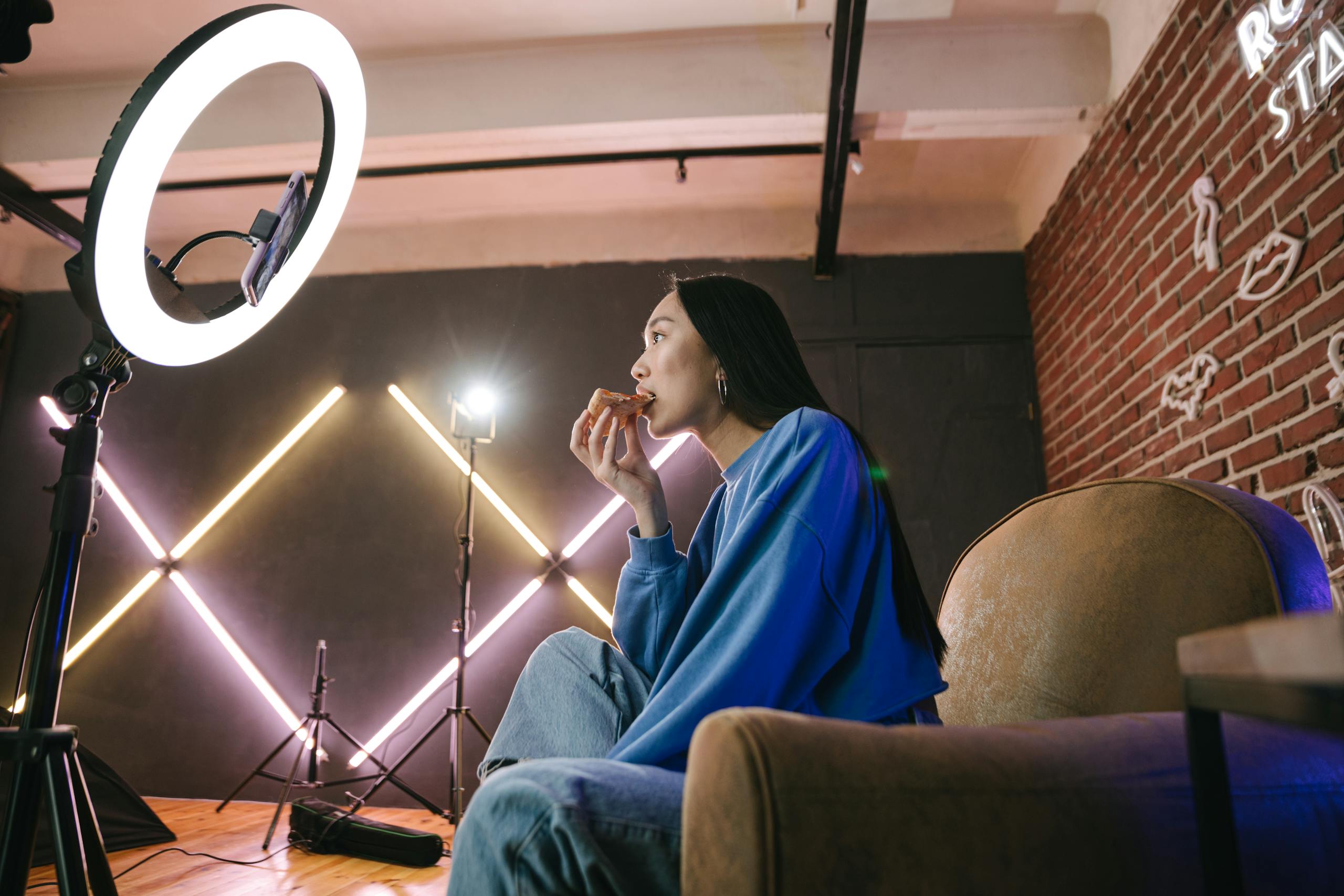
Kai Trump is not only a granddaughter in this story. She is also a young public figure using social media to build visibility.
That changes the way people read the moment.
In influencer culture, access becomes content. A hallway becomes a backdrop. A famous room becomes a flex. A family connection becomes part of the brand.
That is where critics may feel uneasy.
The White House is one of the few places in America that still carries a sense of national seriousness. When it appears in a lifestyle-style vlog, some viewers may feel that seriousness slipping away.
The issue is not that Kai filmed content. The issue is that the content made public power look personal, casual, and almost collectible.
Critics Saw Entitlement. Supporters Saw A Pile-On
This controversy is built for a comment war because both sides have an easy argument to make.
Critics may say the phrase exposed a sense of entitlement. They may argue that powerful families should be extra careful when speaking about public spaces, especially spaces maintained by taxpayer-backed government resources.
Supporters may say the outrage is unfair. They may argue Kai is young, was speaking casually, and meant “my house” in the temporary family-residence sense, not in a legal or arrogant sense.
Both sides will believe they are being reasonable.
That is exactly why the story works. The same phrase can sound harmless to one person and outrageous to another. In American politics, that is all it takes for a small clip to become a national argument.
The Trump Name Made The Reaction Hotter
There is no separating this backlash from the Trump name.
Anything tied to Donald Trump’s family already enters a divided political atmosphere. Supporters often see criticism as another attack from people who hate the former president. Critics often see Trump-family moments as proof of arrogance, spectacle, and privilege.
Kai Trump’s comment fell directly into that divide.
If another president’s grandchild had said something similar, there still might have been criticism. But with the Trump name attached, the outrage had gasoline waiting for the match.
That does not mean every criticism is fair. It means the political environment shaped the reaction before the video even finished playing.
The Backlash Says More About America Than One Vlog
This is the strongest point of the story.
The controversy says less about one phrase and more about how sensitive Americans have become to power, access, and elite privilege.
People are tired. They are watching prices, taxes, rent, debt, healthcare costs, and political fights pile up. Many feel that powerful families live under different rules, behind different gates, with different levels of access.
So when someone inside the White House says “my house,” that frustration has somewhere to go.
Kai Trump became the face of a bigger feeling: that America’s public institutions can sometimes look too comfortable in private hands.
That may be unfair to place entirely on her. But the reaction shows how deeply the issue cuts.
One Line Became A Symbol
Kai Trump may have meant nothing serious by the phrase. She may have simply been speaking casually in a place connected to her family life.
But symbols do not wait for intention.
The White House is not just where a president sleeps. It is where public power lives. It is protected, preserved, and operated through the structure of the American government. Its meaning belongs to the country, not to one family.
That is why “my house” became more than a line in a vlog.
To supporters, it was a harmless phrase that critics twisted. To critics, it was a revealing slip from someone too close to power to understand how it sounds outside the gates.
And that is the debate that will keep the comments burning.
Because the real question is not whether Kai Trump meant to offend anyone.
The real question is why so many Americans heard those two words and immediately thought: no, it is not yours. It is ours.