Luigi Mangione Plea Talks Stall as Two Courtroom Battles Close In
Luigi Mangione’s legal drama has entered the part of the movie where everyone is checking the clock, the lawyers are choosing every word carefully, and the courtroom chessboard is getting crowded.
According to a source familiar with the discussions, Mangione’s attorneys spoke with federal prosecutors about the possibility of a plea deal in his federal case connected to the December 2024 killing of UnitedHealthcare CEO Brian Thompson. But the talks did not produce an agreement.
That is the key point. There was discussion. There was no deal. And for now, Mangione, who has pleaded not guilty in both state and federal court, remains on a path toward trial.
The case has already carried the weight of a national argument. It is about an alleged killing, a dead corporate executive, anger at the health insurance industry, public fascination with the accused, and a legal process trying to move through all of that noise without turning into a circus.
So what exactly happened, and why does it matter? Let’s untangle it.
A Plea Conversation Does Not Mean a Plea Deal
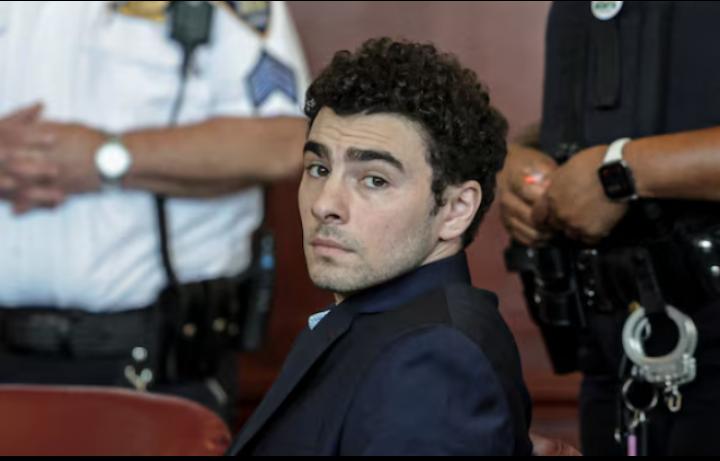
Plea talks may sound dramatic, but in serious federal cases, they are not unusual. Prosecutors and defense attorneys often discuss possible resolutions before trial, especially when the possible penalties are severe and the evidence is expected to be heavily contested.
In Mangione’s case, those discussions reportedly stopped without an agreement. ABC News, citing sources familiar with the matter, reported that it was unclear how close the two sides came before negotiations ended.
That leaves both sides in the same place they were before the latest headline: preparing for court.
Mangione is due in federal court before U.S. District Judge Margaret Garnett for a hearing expected to focus on trial planning, including juror questionnaires and scheduling. In a letter to the court, attorneys said they would be ready to discuss “proposed juror questionnaires” and other scheduling matters.
That may sound dry, but jury questionnaires are a big deal in a case like this. Mangione’s name, Thompson’s killing, and the public reaction around the case have been widely covered. Lawyers will want to know what potential jurors have seen, what they believe, and whether they can fairly judge the evidence instead of the internet debate.
Mangione’s lead attorney, Karen Friedman Agnifilo, pushed back hard against reporting based on unnamed sources. She called it part of a pattern that could prejudice her client and stressed that every defendant is “presumed innocent until proven guilty.”
She also argued that Mangione is in an unusual position because he has to “fight the same charges twice,” a reference to the state and federal prosecutions moving along separate tracks.
That frustration has been a major theme for the defense. Mangione and his lawyers have repeatedly objected to the pressure of preparing for two major trials at once.
Two Cases, One Killing, Very High Stakes
Both the state and federal cases stem from the December 4, 2024, shooting death of Brian Thompson in Midtown Manhattan. Thompson was fatally shot as he walked to a hotel where UnitedHealthcare’s parent company was holding an investor conference.
Mangione was arrested five days later at a McDonald’s in Altoona, Pennsylvania.
In the federal case, he faces two stalking charges. Prosecutors allege that he stalked Thompson online and traveled across state lines before carrying out the killing. If convicted, Mangione could face life in prison without parole.
The federal case used to carry an even heavier headline: the death penalty. But earlier this year, Judge Garnett dismissed the federal murder and weapons charges that had made a capital prosecution possible. Reuters reported that Garnett described the dismissed charge as “legally incompatible” with the remaining stalking charges.
That ruling removed the death penalty from the federal case, but it did not make the case small. Life without parole is still one of the harshest punishments in the American legal system.
Meanwhile, the New York state case is scheduled to go first. Jury selection is set to begin September 8. Mangione faces murder and weapons charges there, and a conviction could also lead to life in prison.
That is why the plea-talk report matters. A plea deal, if one ever happened, could reshape the risk, timing, and strategy in both cases. Without one, the defense and prosecution continue marching toward trial.
The Defense Strategy Has Already Taken One Sharp Turn
The plea discussion report comes after another notable twist in Mangione’s state case: his lawyers withdrew plans to use a psychiatric defense.
At one point, the defense signaled it might argue that Mangione acted under “extreme emotional disturbance.” In New York, that kind of defense can potentially reduce murder to manslaughter if a jury accepts it. But it also carries risk because it can require the defense to reveal psychiatric evidence and strategy.
At a recent state hearing, Judge Gregory Carro made clear that prosecutors needed the information if the defense planned to use that argument. “I’m not going to let you surprise people on the eve of trial. Get it done,” he said.
Assistant Manhattan District Attorney Joel Seidemann complained that prosecutors had received no meaningful psychiatric material from the defense, saying, “We have gotten nothing.”
Then, in a one-line letter, Mangione’s team said that “at this time” it no longer planned to introduce psychiatric evidence at trial.
Former Manhattan prosecutor Gary Galperin told NPR it was a “stunning reversal,” adding that the open question now is what defense Mangione’s lawyers will actually pursue.
That is where the case stands: plea talks reportedly stalled, psychiatric-defense plans withdrawn for now, and two separate prosecutions still moving forward.
For readers watching from the outside, it may feel like legal ping-pong. One week, the fight is about psychiatric evidence. The next is about possible plea talks. Then it is jury questionnaires. But underneath all the procedural moves is a very serious question: how does the court system try a defendant fairly when the case has already been tried loudly in public?
For prosecutors, the answer is to move forward and present evidence.
For the defense, the answer is to keep reminding the public and the courts that Mangione has pleaded not guilty and remains presumed innocent.
For everyone else, the lesson is simple: no plea deal means no shortcut. The case is still heading toward the courtroom, where headlines will matter less than evidence, witnesses, jury instructions, and what prosecutors can prove beyond a reasonable doubt.
That may not be as flashy as online speculation. But in a case this serious, it is the only part that truly counts.